How to sell art online and make money
Mar 10, 2026
/
Margarita L. & Miglė C.
/
15 min Read

Selling art online has never been easier.
Imagine sipping coffee in your pajamas while someone across the globe is buying your latest artwork.
Thanks to the variety of online platforms and growing demand, this is now a reality.
In fact, the global online art market is projected to grow by 9% annually from 2023 to 2030.
The best part? You don’t need years of experience to get started – the online art world is open to everyone.
Explore our practical, step-by-step guide on how to sell art online. We’ll share expert tips, useful resources, and real-life examples for your inspiration.
1. Register your art business
Start by legally safeguarding yourself and your work.
Registering your art business is necessary if you want to operate legally and avoid fines.
It will also provide you with tax benefits (e.g., tax deductions for business expenses) and protect your personal assets from business-related debts.
Choose your preferred business structure. There are two key options for most artists starting out:
| Sole Proprietorship | Limited Liability Company (LLC) |
| – Suitable for small, low-risk operations – Easiest and least expensive to set up – Your business and personal taxes are filed together – Your personal assets are more at risk if your business faces legal issues or depts | – Suitable for businesses planning significant growth – Offers more personal assets and extra business name protection – Slightly more complex to set up, but still manageable – Provides flexibility in how you’re taxed |
You might opt for sole proprietorship if you start really small and reassess your needs later. Many artists start as sole proprietors and transition to an LLC as their business grows.
That said, starting as an LLC will provide you with extra protection and flexibility right away.
Once you’ve decided on your business structure, follow the key steps below. Note that the exact order might vary depending on your location.
- Choose and register a business name
- Check your state and local requirements for business licenses
- Apply for necessary business licenses and permits
- Obtain an Employer Identification Number (EIN) from the IRS (optional for sole proprietors, but required for LLCs)
- Register a business bank account
2. Choose a business name
So, how do you come up with a name for your online art business?
Think about a name that reflects your art and resonates with your style or medium. You might go for:
- Using your own name and pairing it with “Art”, e.g., “Jane Doe Art” or “ArtByJane”
- Using the core theme or idea of your art
- Building on the art formats you’ll focus on
For example, the VoxFeline Etsy store sells creative cat-themed posters. Their business name speaks for itself:
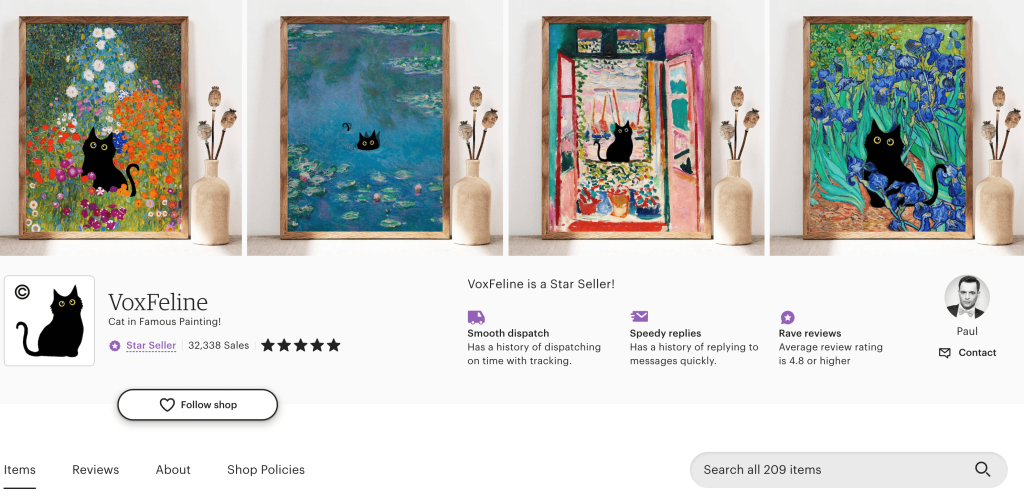
However, if this store ever wanted to start selling dog prints, they could have an issue.
So, make sure your business name will also stay valid and relevant in the long term.
Finally, make sure to pick something catchy and memorable. Here are some techniques you might find helpful:
- Wordplay (e.g., “Ink-redible Creations” for a pen and ink artist)
- Using repeating sounds (e.g., “Ceramic Creations” for a potter)
- Combining words (e.g., “ArtMosphere” combining art and atmosphere)
- Evoking emotions and feelings (e.g., “Serene Scenes” for landscape paintings)
3. Register your business name
Next, register your business name to make it official. Here’s what to consider:
First, file a DBA (Doing Business As) based on your location.
You’ll need a DBA if you want to use any business name other than your legal name. It’s mostly useful for sole proprietors.
However, you will also need it if have an LLC and want to operate under a name other than your official LLC name.
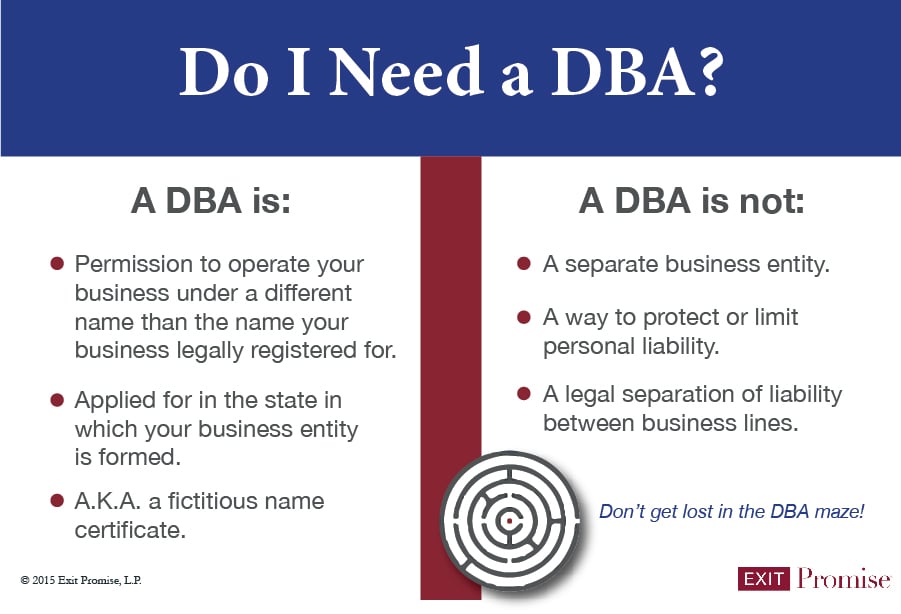
Source: Startup Promise
You typically file a DBA with your local county clerk’s office or your state government, depending on your location.
Next, consider trademarking your business name.
Trademarking your business name is optional, but it can be useful.
It’ll provide stronger protection for your brand by giving you legal ownership and the ability to prevent others from using a similar name.
This can be particularly useful as your art business grows beyond your local area.
To trademark your name in the US, search the USPTO (United States Patent and Trademark Office) database first to ensure your chosen name isn’t already taken.
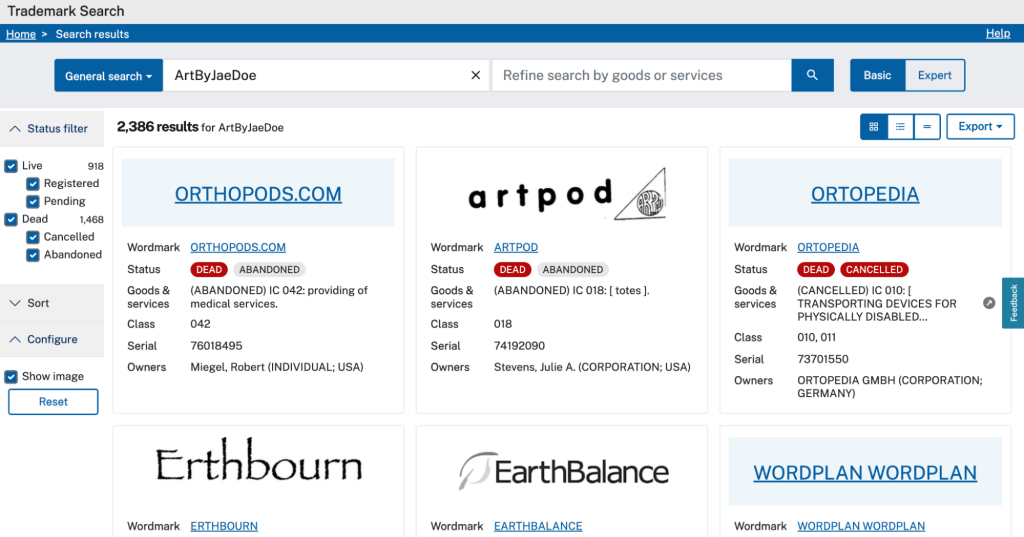
If it’s available, you can file an application online through the USPTO website. The process typically takes several months and costs a few hundred dollars.
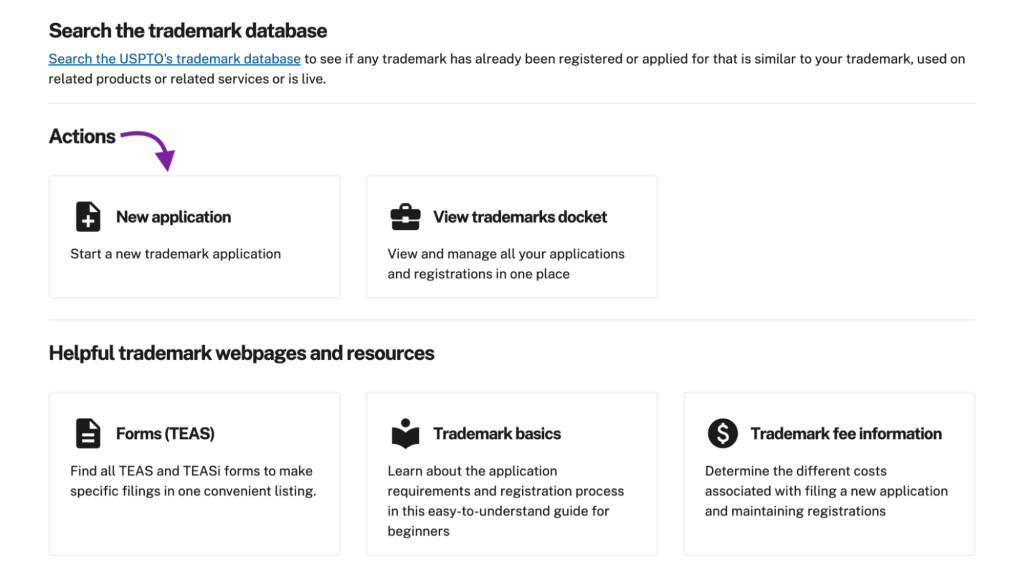
Keep in mind that trademarks are specific to industries.
So, an existing trademark in a different field may not prevent you from using a similar name for your art business.
Finally, secure your name across various digital platforms.
Remember, your business name will be present in all digital assets. This includes your domain name, social media handles, and store names on marketplaces.
Even if you’re not building those online channels yet, it’s a good idea to claim your business name as soon as you can.
This is especially true for your domain. And you can easily do it in a couple of steps.
Start by checking if your desired domain name is available below with Hostinger’s Domain Name Checker:
Domain Name Checker
Instantly check domain name availability.
From here, you can choose one of the available options. If the “.com” option is already taken, the tool will suggest various alternatives.
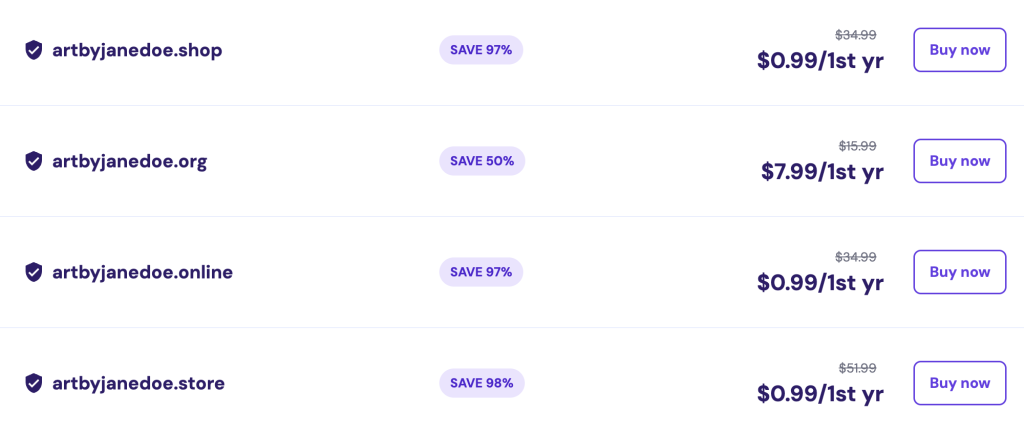
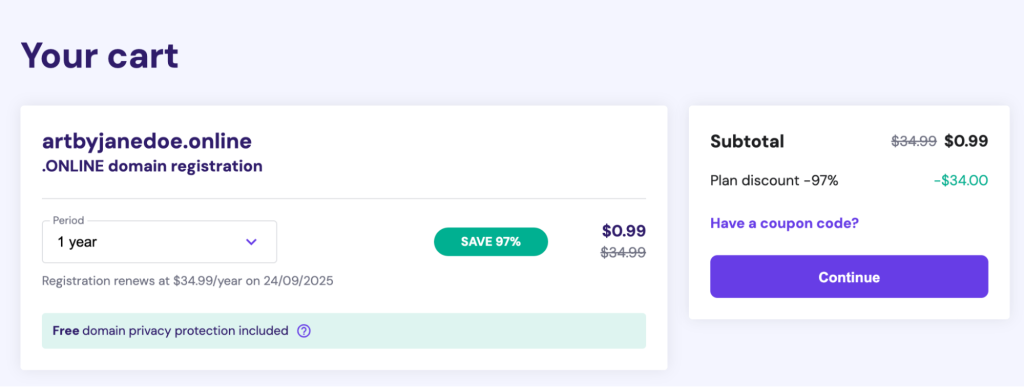
Click “Buy now” and reserve your domain name. It will be your starting point when you’re ready to build your website.
4. Research the online art market
To sell art online, you need to understand your niche and your customers.
Always conduct deep audience and market research before setting up your art business.
Start by studying your potential customers:
- Interview people who might be interested in your art and learn about their needs, buying behavior, and preferences. You can start by tapping into your personal network (friends and family).
- Analyze forums and social media. Check what people write about different types of art and what seems to be popular.
- Find online reports and other content about current art market trends. You can even use AI tools like Perplexity to speed up your research.
Try to answer these questions:
- Which demographics are drawn to my art style?
- Who are my potential buyers? E.g., interior designers, or casual art enthusiasts.
- How do these buyers typically find and purchase art online?
It’s also a good idea to analyze your competition.
Look at how they price their work, which online stores or marketplaces they use, and who tends to buy from them.
For instance, if you want to sell retro posters, head to a marketplace like Etsy and search for “retro posters”.
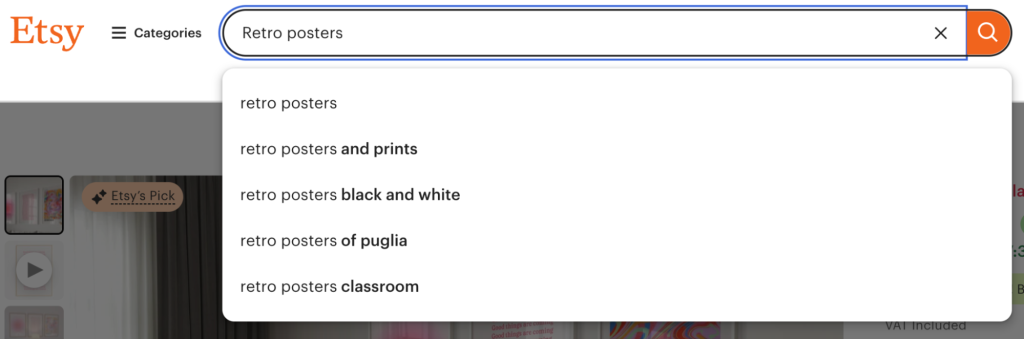
Examine the options you see.
Which stores sell them? What are the price ranges? What formats do they use (e.g., digital prints, framed, a set of prints, etc.)? And what styles seem to be trending?
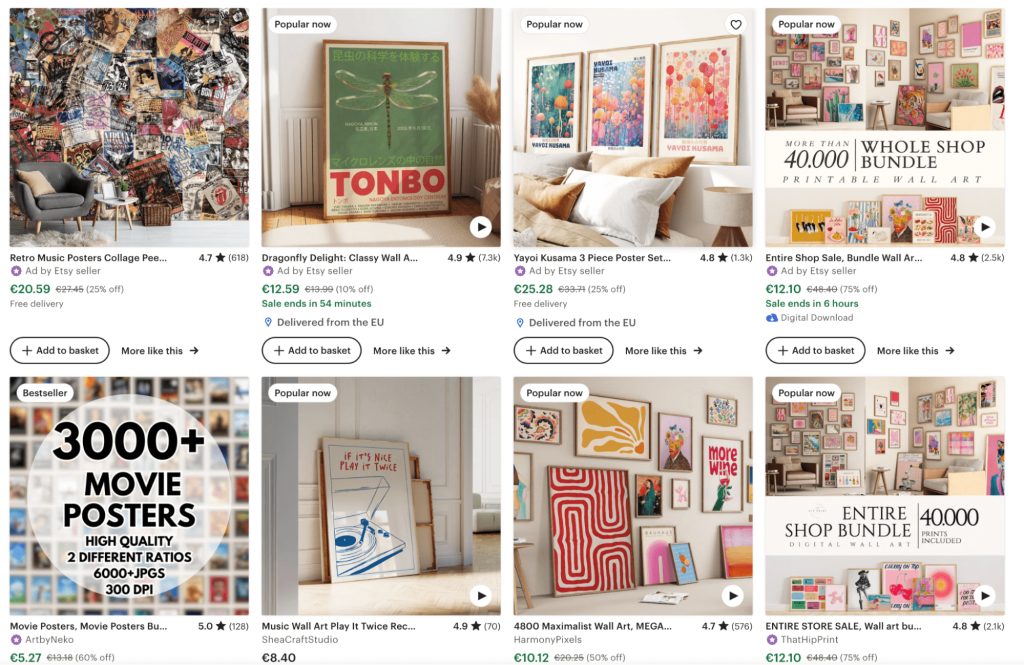
Then, look at the most popular items that have the most reviews.
What makes them stand out? And what do people write in the comments?
For example, you might learn about things customers value the most. You could also check their profiles and see other items and styles they were interested in.
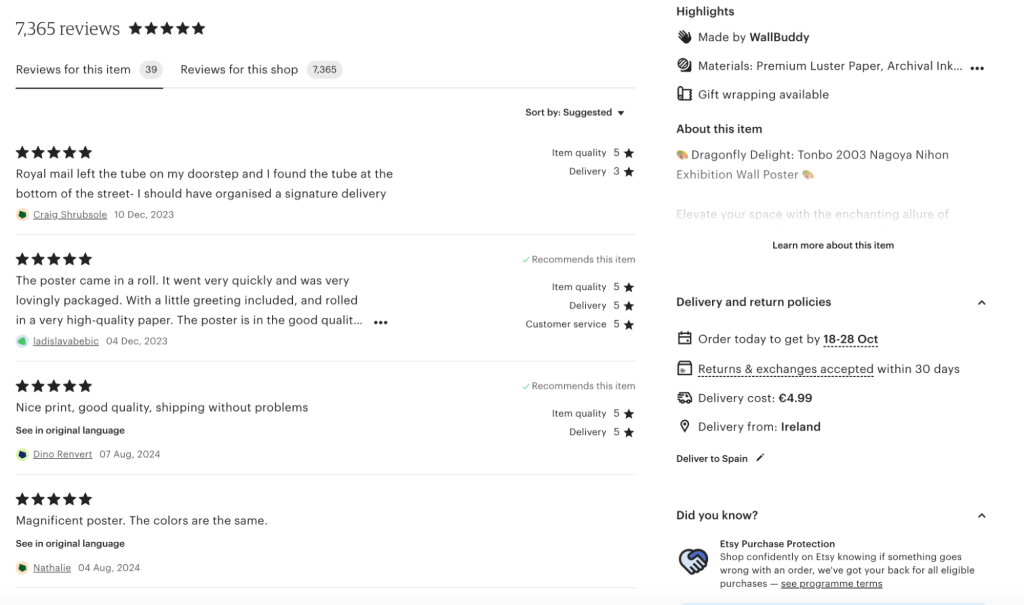
Conducting such analysis using marketplaces, Google search, social media, and other platforms shows you what is trending in the market and how to differentiate your brand.
Remember, you might test various approaches to audience targeting before finding the perfect one.
5. Decide what to sell
Next, decide which art items you would like to offer for sale.
One of the key questions you’ll face is choosing between original artwork and reproductions.
Here are the key differences:
| Original artwork | Reproductions |
| One-of-a-kind pieces you create like paintings, sculptures, custom art piecesCan be sold at higher pricesYou’re limited to selling each piece only once for physical art | Copies of your original work that can be sold multiple times, like art prints, posters, digital downloads, and print-on-demand items (e.g., mugs)Allows you to scale and sell to larger audiencesUsually comes at a lower price per item |
For example, this custom oil painting is priced at 168 euros:
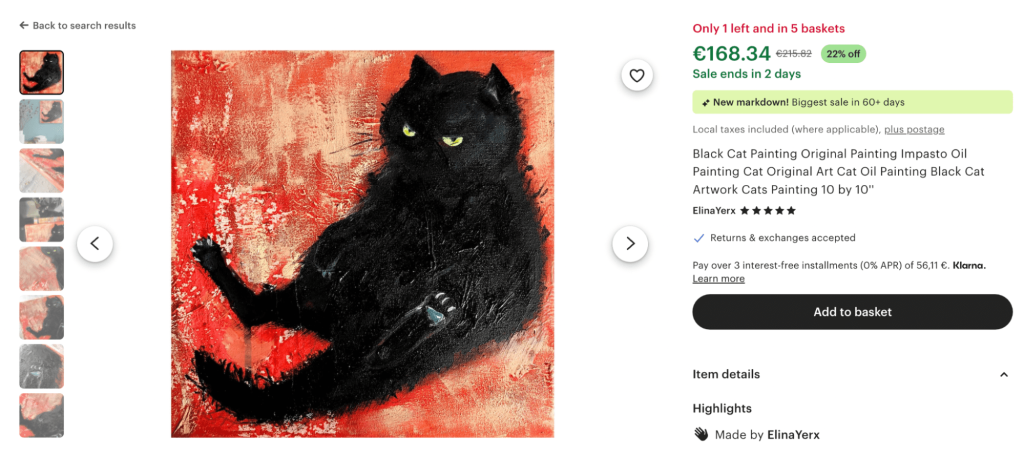
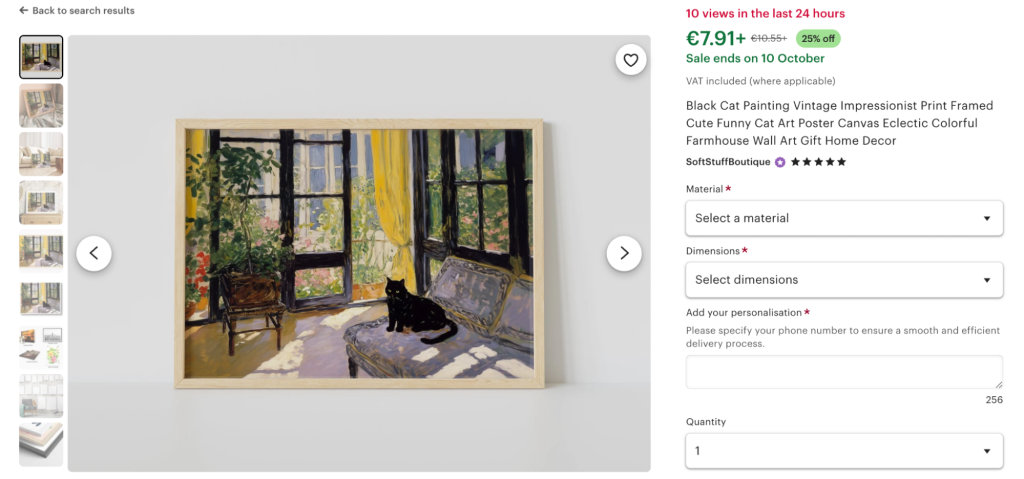
While an average poster costs around 7-15 euros:
Your decision will usually depend on your personal preferences.
- Are you passionate about crafting unique pieces? Focus on selling original art.
- Do you want to see your designs on various products and produce many pieces at a time? If so, go for reproductions.
That being said, many successful artists sell both original artwork and reproductions online. This allows them to cater to different price points and customer profiles.
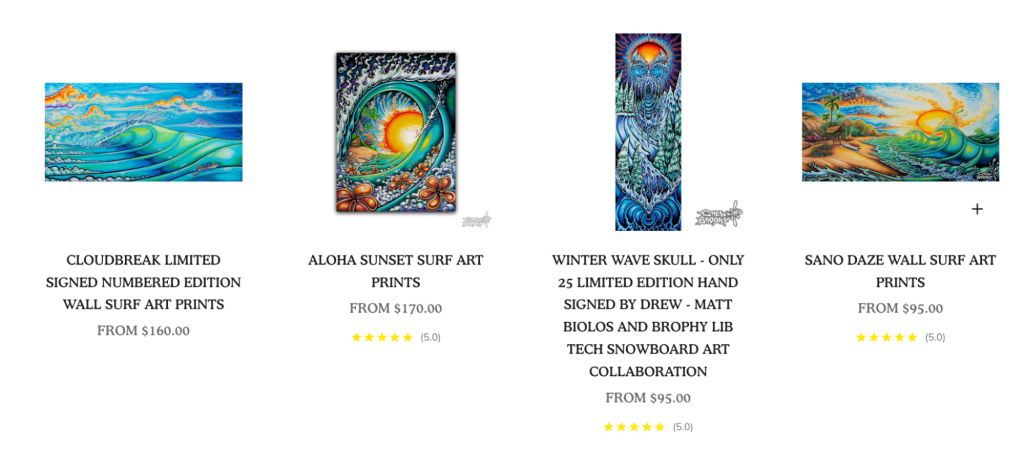
For instance, Drew Brophy is a well-known surf artist who creates custom paintings for collectors. The prices for these items can go up to $6,500 per piece.
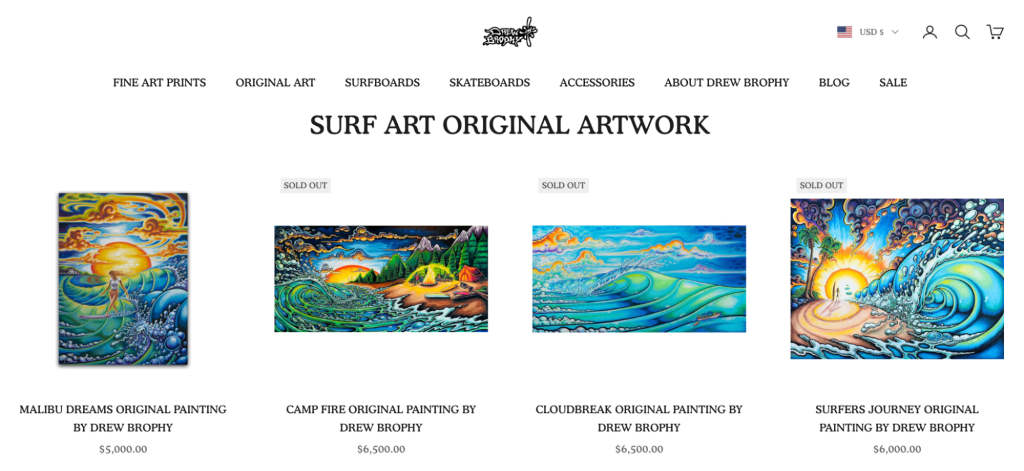
However, he also sells reproductions of his artwork in various forms, including limited-edition posters:
Here’s how it could work based on your primary medium:
- Painters and illustrators often find success selling both originals and prints online.
- Sculptors might focus on selling original art but could offer photos or 3D-printed miniatures.
- Digital artists typically sell prints or digital downloads, but could offer limited edition signed prints as “originals”.
6. Prepare your art and take high-quality photos
Next, get your art items ready for online channels and for your art portfolio. To do that, work on digitizing your original artwork.
It won’t be necessary if you create your art digitally with programs like Adobe Illustrator or AI tools like Midjourney.
But if you sell original, physical art, this step is absolutely essential. It lets you sell art prints, create digital downloads, and showcase your work online.
There are two key methods you can choose:
Scanning | High-resolution photography |
| – Works well for graphic designers and illustrators creating digital art or flat pieces like ink drawings or watercolors – You’ll need to use a high-resolution scanner (at least 300 DPI) – For larger pieces, you’d have to scan in sections and stitch them together digitally using tools like Photoshop – More affordable and easier to set up | – Best for textured artwork, sculpture, fine art, or larger pieces – You’ll need a high-quality camera with good lighting – Make sure your setup capturates accurate colors – Requires a more complex setup (tech, studio, etc) |
If you decide to take photos of your art, ensure their highest quality. This will help show your work in the best light and attract more customers.
Here are some tips for taking photos of your art:
- Use natural light or a softbox for even lighting
- Choose angles that highlight your art’s best features
- For 3D art like sculptures, take multiple shots from different angles
- Use a plain, neutral background to make your art stand out
- Ensure your camera is stable (use a tripod if possible)
Check out this video with tips on taking pictures of paintings:
It’s also a great idea to create video content showcasing your art, especially if you sell sculptures or other items.
Here’s an example from another Etsy seller:
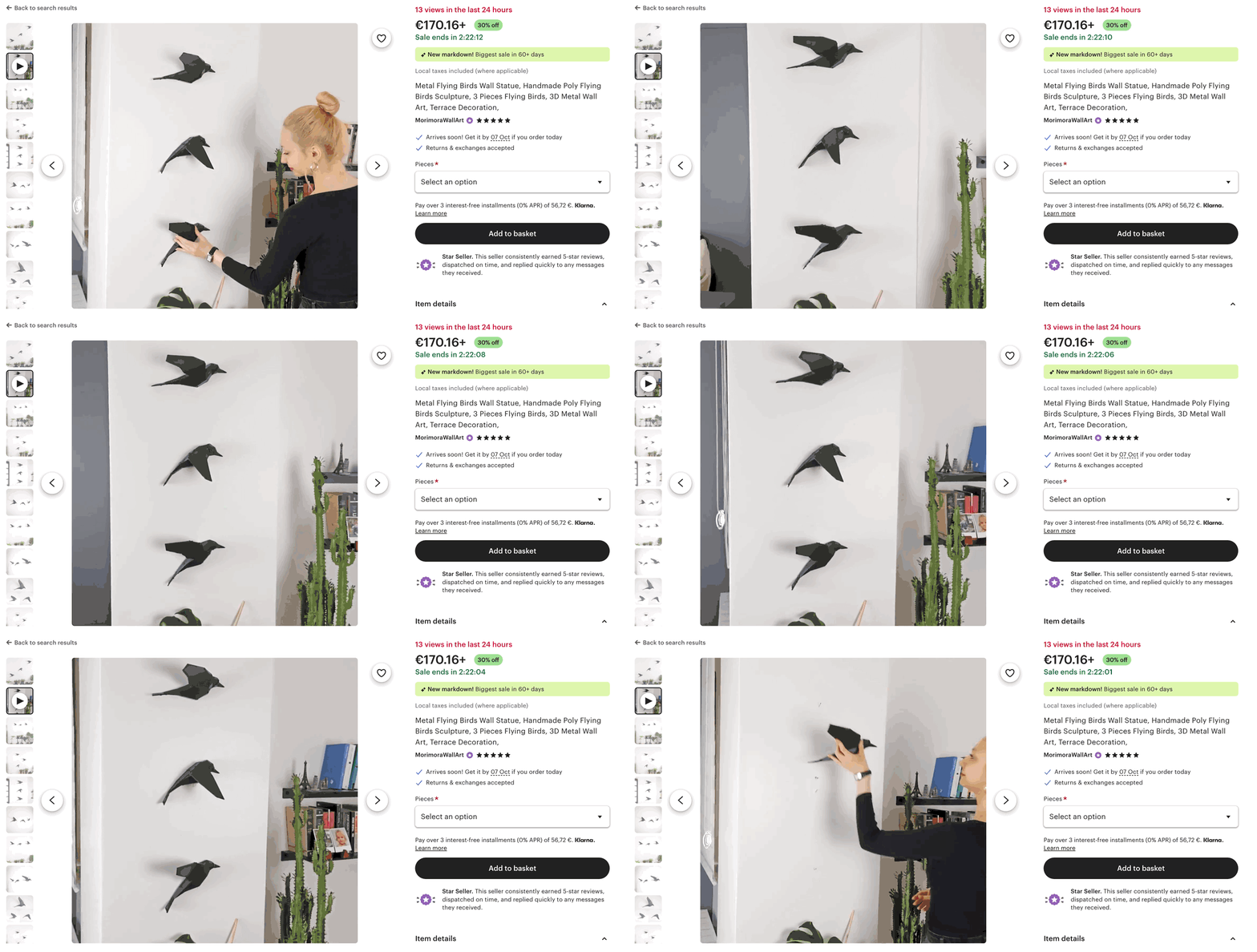
You can go even further and consider augmented reality for demonstrating your artwork. It’s one of the key eCommerce trends in 2025.
Finally, make sure to properly edit your photos. This includes cropping your images, adjusting brightness, removing distracting elements, etc.
You can use simple tools like Canva and Photoroom.
7. Protect your digital art
The next crucial step is safeguarding your digital art.
Here are the main tactics you could use:
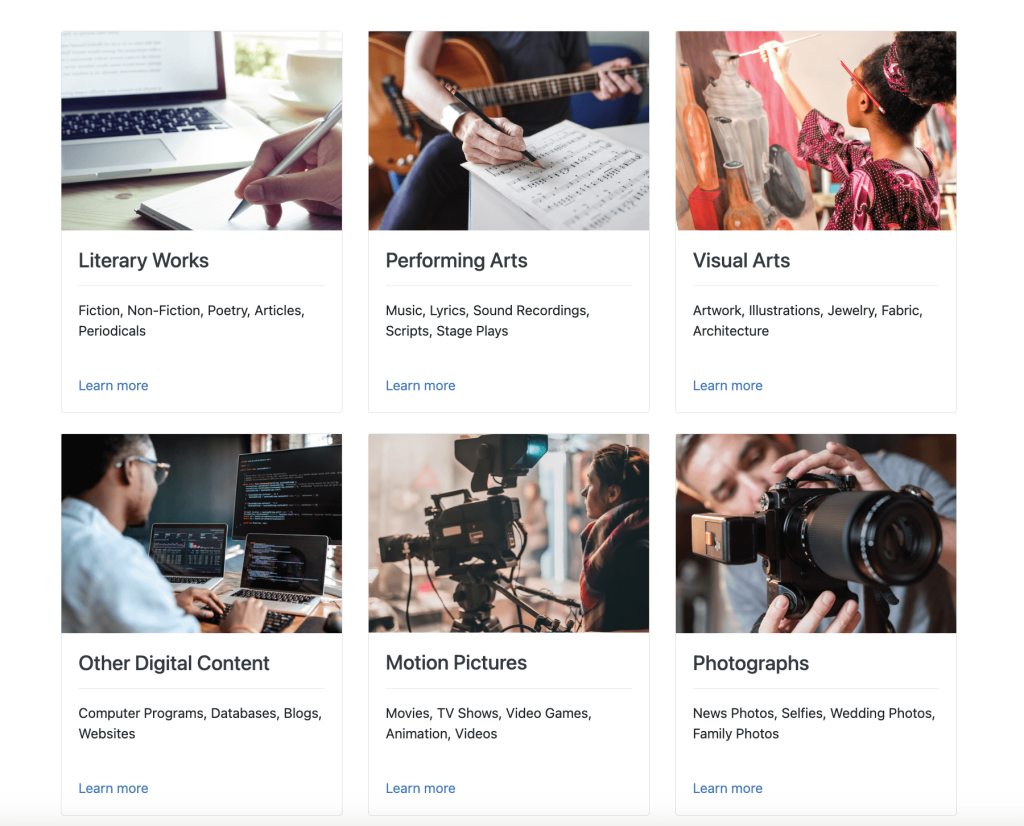
- Register your copyrights. Register your artwork with the U.S. Copyright Office (or your country’s equivalent). While the website content you publish is automatically protected, this step adds extra security in the case of disputes.
Here’s what you can copyright:
- Use low-resolution previews for social media and web pages. Display lower-resolution images (72-150 DPI) to discourage high-quality unauthorized prints. Then, save full resolution (300+ DPI) for actual sales or prints.
Many artists also use creative mockups to showcase their work:

- Use metadata. Embed your copyright information in the image file’s metadata for extra protection. Include your name, website, and copyright notice. Try software like Adobe Bridge or free alternatives for this.
Here’s what it might look like:
- Creator: Your name (e.g., “Jane Doe”)
- Creator’s Job Title: “Artist” or your specific title
- Website: Your website URL (e.g., “www.janedoeart.com“)
- Copyright Notice: “© 2024 Jane Doe. All rights reserved.”
- Copyright Status: Select “Copyrighted”
- Add watermarks. Place a semi-transparent logo or signature on your artwork, making sure it’s visible but doesn’t distract from the art. For example:

Source: Perfectlancer.com
8. Choose the right selling platform
Now it’s time to think about the best platform for selling your art online.
This will impact how you’ll be reaching potential buyers, building your brand, and processing sales.
Let’s explore the two key options you have:
- Setting up an online store
- Selling via online marketplaces
Let’s look at each option in detail.
First, you can set up your own online store. This means building a website with your branding, content, and eCommerce features.
Here’s what to consider:
| Pros | Cons |
| – Full control over your art business and customer experience – No competition from other artists on the same page – Getting more profits from selling your art – Building a stronger brand and a direct relationship with art collectors and buyers | – No existing customer base and traffic – You’ll need a lot of resources for attracting clients and building your brand – You’ll also need to put more effort into setting up the online store, managing orders, etc. |
To build your online art store, use Hostinger’s AI online store builder. It lets you create a professional site without any coding skills.
First, set up your Hostinger account, add your domain (if you created it after step 3), and head to the Website Builder.

Add the key details about your future website. Choose its type, title, main colors, and add a description. Click “Create a website.”
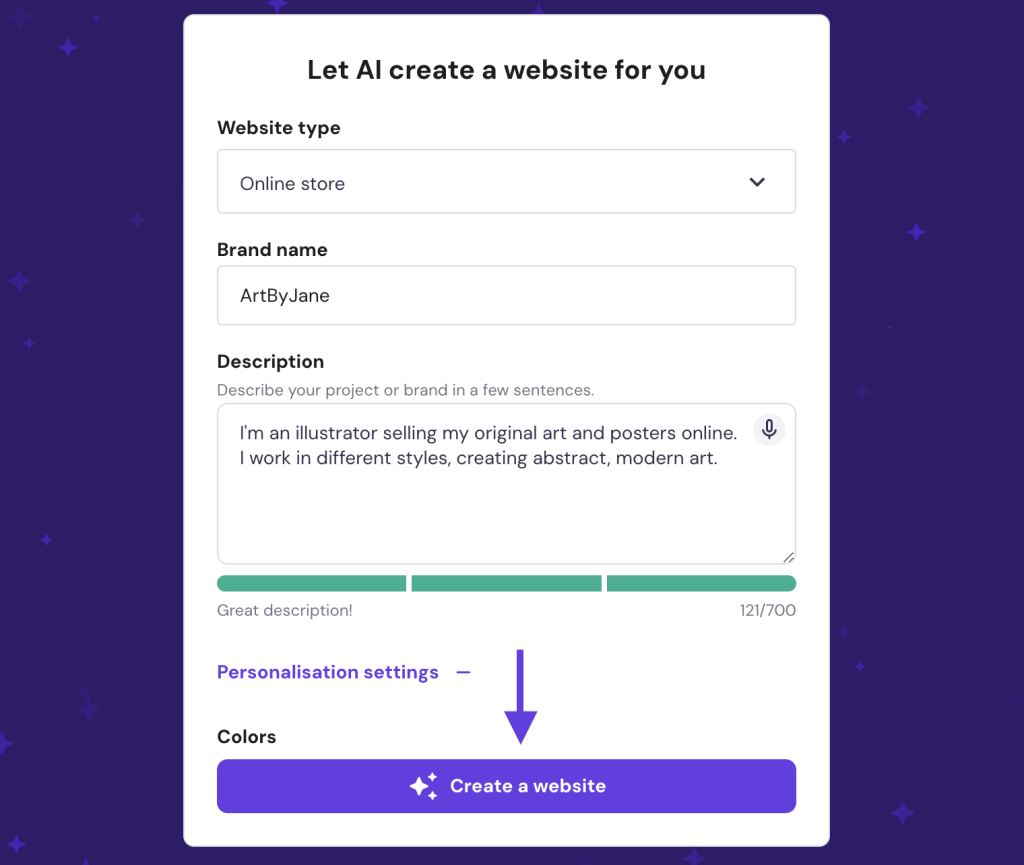
Next, wait for a few minutes as AI is building your website.
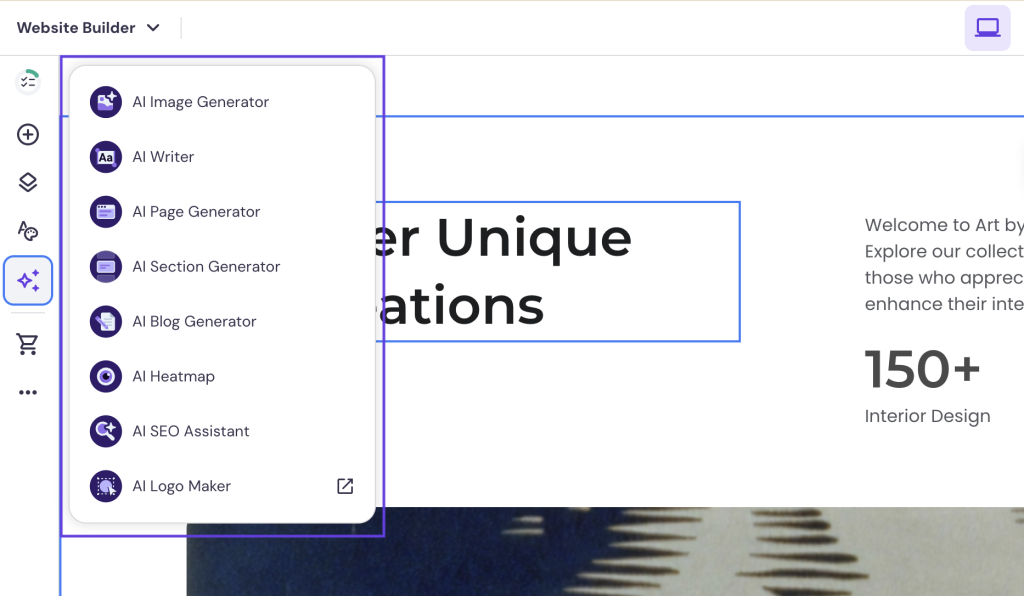
Once it’s done, you’ll access a draft website ready for your use. You can then add any changes of your choice and use various site templates.
You’ll also get access to all kinds of AI tools to generate images, write text, as well as create entire pages and sections.
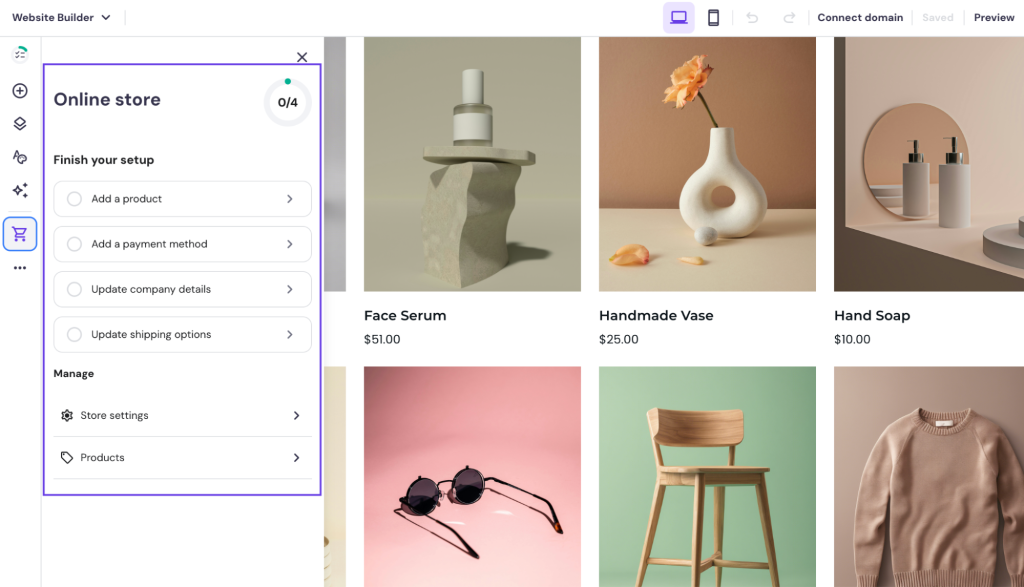
Next, set up your online store in a few clicks. Add products, payment methods, company details, shipping, and so on.
Once you’re done editing your website, click “Go live” and start selling your art!
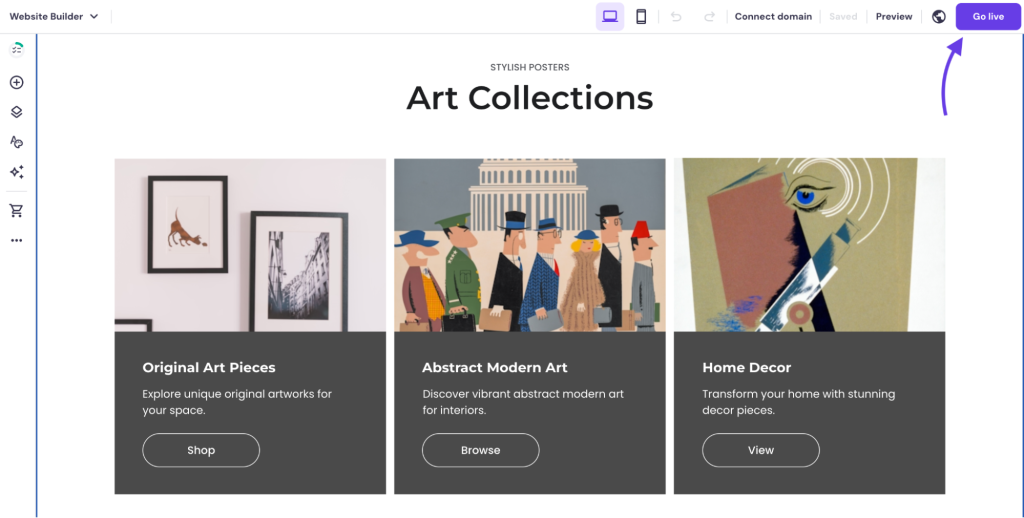
If you’re looking for inspiration, check these digital portfolio website examples.
Selling through third-party platforms and online marketplaces.
These include:
Here are the key considerations for this method:
| Pros | Cons |
| – Access to a larger audience of potential art buyers – Built-in trust for selling art online – Simplified setup process for beginners – Handling of payment processing and some shipping costs | – Limited control over your online gallery design – Competition with other artists on the same platform – Platform fees that affect your art prices – Potential restrictions on customer communication |
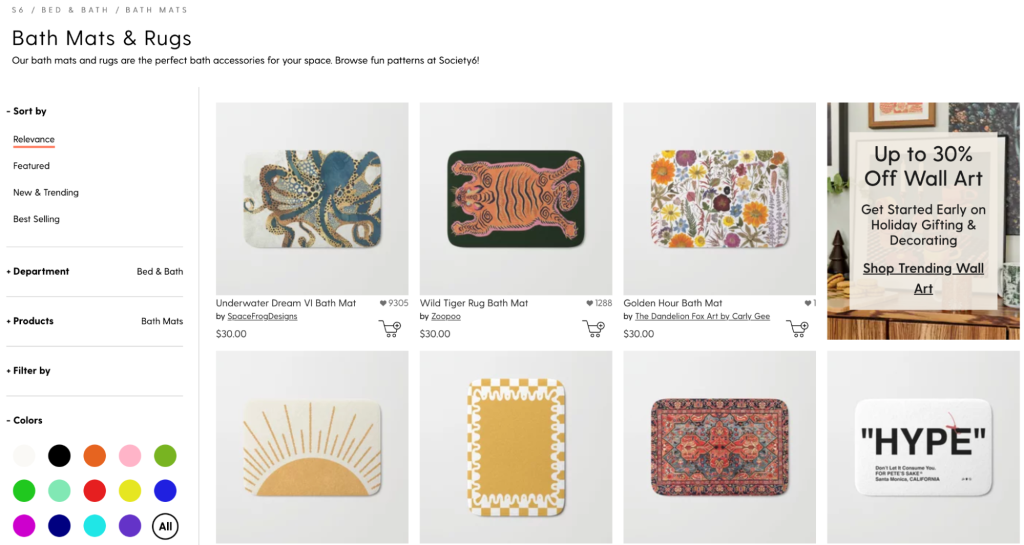
For example, here’s what the section with bath mats by different artists looks like in Society6:
In reality, you might use a mix of both selling methods to promote your art.
On the one hand, you could leverage the online audiences of established marketplaces.
On the other, you can drive social media and ad traffic to your own website.
9. Price your art
Next, work on your pricing strategy.
Pricing your artwork involves a careful balance between ensuring profitability and making your art accessible to potential buyers.
Start by calculating your costs – how much you need to spend to create each piece of art. For example:
- Materials: The cost of paint, canvases, digital tools, or any other supplies used to create your art.
- Production time: How much your time is worth per hour. Research the average hourly rates in your niche and try to make an estimation.
- Platform fees: If you’re selling through a marketplace like Etsy or Society6, consider their transaction fees, listing fees, or subscription costs.
- Shipping costs: This includes both packaging materials and actual shipping fees if you’re selling physical products.
Next, add a profit margin. This is what you earn beyond covering your expenses, reflecting the quality of your work, your experience level, and your brand positioning.
For instance, many artists can expect a profit margin of around 50%.
Let’s look at an example.
Imagine that you spend 5 hours and $50 on materials per art piece, and also value your time at $40 per hour. This brings your total cost to $250 ($50 for materials + $200 for 5 hours of work). Adding a 50% profit margin would bring your final price to $375, ensuring you cover both material costs and the value of your labor.
However, there are other factors you can consider. For instance, it’s important to analyze the market and your competitors’ pricing strategies.
Check out marketplaces and individual shops of artists in similar styles, mediums, and target audiences.
How do they price various types of art pieces?
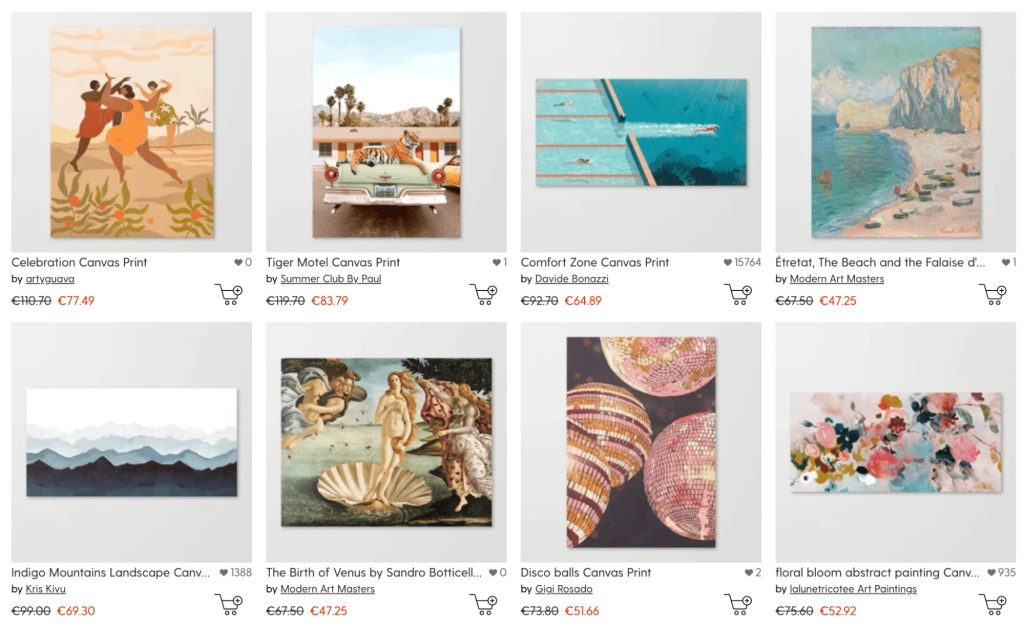
For example, you could notice that many canvas prints are priced between 40 and 60 euros. This could give you an idea of what mass-market customers are willing to pay.
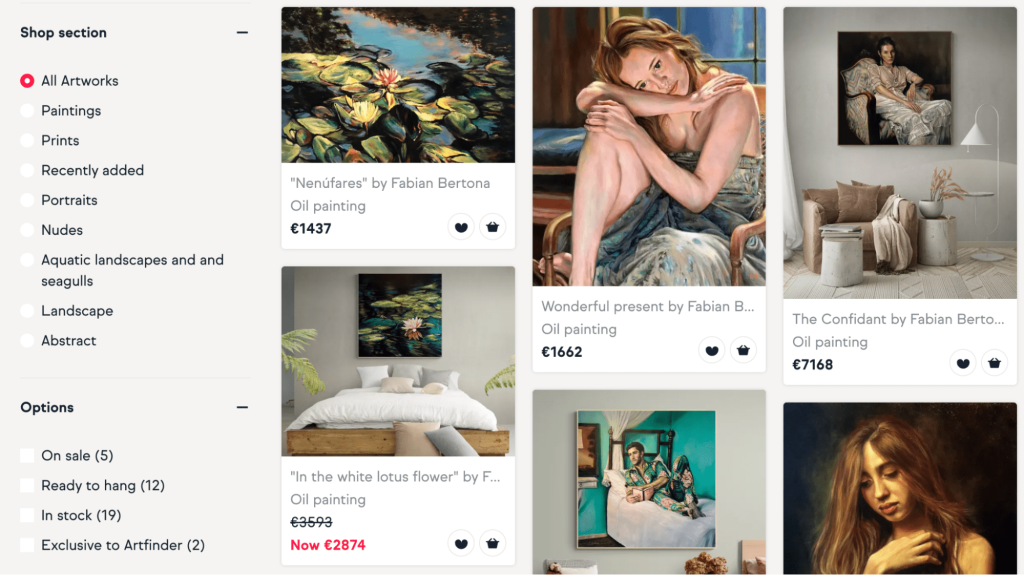
You might also see that established artists sell physical art for a much higher price.
That being said, there’s always room for experimentation.
Make sure to test different pricing strategies to find your sweet spot. You could try:
- Tiered pricing: Offer a range of products at various price points to appeal to different audiences. For example, sell original paintings at a higher price and offer prints or digital downloads at a lower price.
- Limited editions: If you want to charge more for prints, consider offering limited editions. For example, you could sell numbered or signed prints to create a sense of exclusivity.
Remember, pricing is not static. As your reputation grows and demand for your art increases, you can gradually raise your prices.
Start at a level that reflects your current market position, but don’t hesitate to adjust as you gain more experience and recognition.
10. Write compelling art descriptions
Writing well-crafted art descriptions helps you attract the right buyers and communicates the value of your work.
Each description should include key details about your piece:
- Title: Choose a title that reflects the theme or emotion behind your artwork. It should be memorable and translate the key idea of the piece.
- Medium: Clearly specify the materials you used, such as acrylic, oil, watercolor, or mixed media. This helps buyers understand the nature and value of your work.
- Dimensions: Include the height, width, and depth (if applicable) in both inches and centimeters. This ensures buyers can visualize the size of the artwork and how it fits in their space.
- Inspiration: Share the story or motivation behind the piece. This could be based on a personal experience, a cultural reference, or an artistic challenge.
A strong art description tells a story.
Explain how the artwork came to life, what emotions or ideas it explores, and what you hope viewers will feel when they see it.
Let’s look at an example.
Here’s the original artwork by Philippa Headley.

It’s titled “Waves Meeting Rocks” and provides a story-driven description by the author. It uses elements like a personal story:
“Ever since childhood I have been captivated by the sea, in particular where it meets the land. Its constantly changing colours and textures are mesmerising.”
It also describes the actual art piece in detail:
“Waves Meeting Rocks is a framed original oil painting created and painted by myself. The back of the artwork is signed and you will receive a Certificate of Authenticity.”
And shares technical details at the end:
“Materials used: Artists’ Quality Oil Paint, Prepared Oil Paint Boards. Size: 35.56 x 30.48 x 5.08cm (framed) / 25.4 x 20.32cm (actual image size). Framed and ready to hang.”
You can easily generate engaging art descriptions using AI tools like those offered by Hostinger.
Here’s how.
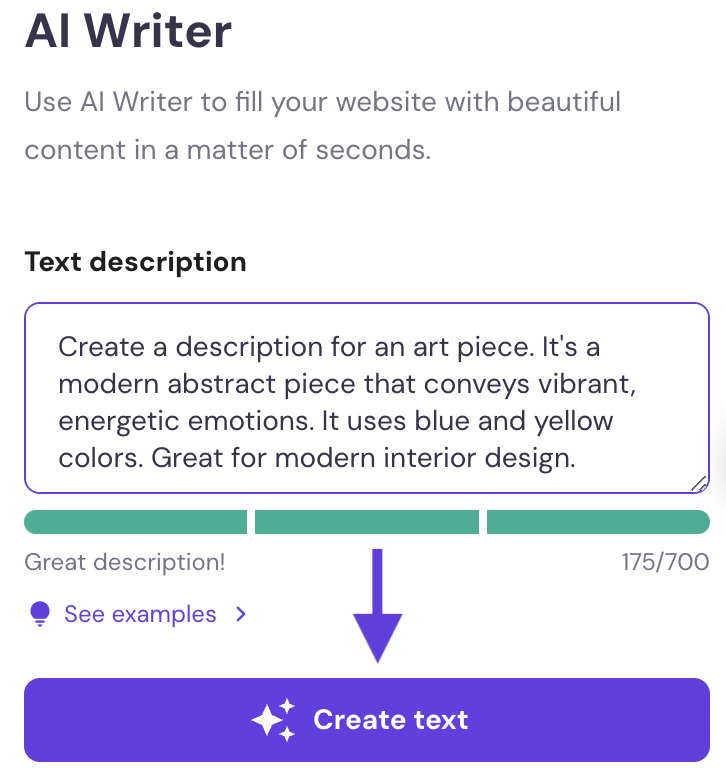
Head to Hostinger’s Website Builder and open the AI Writer.
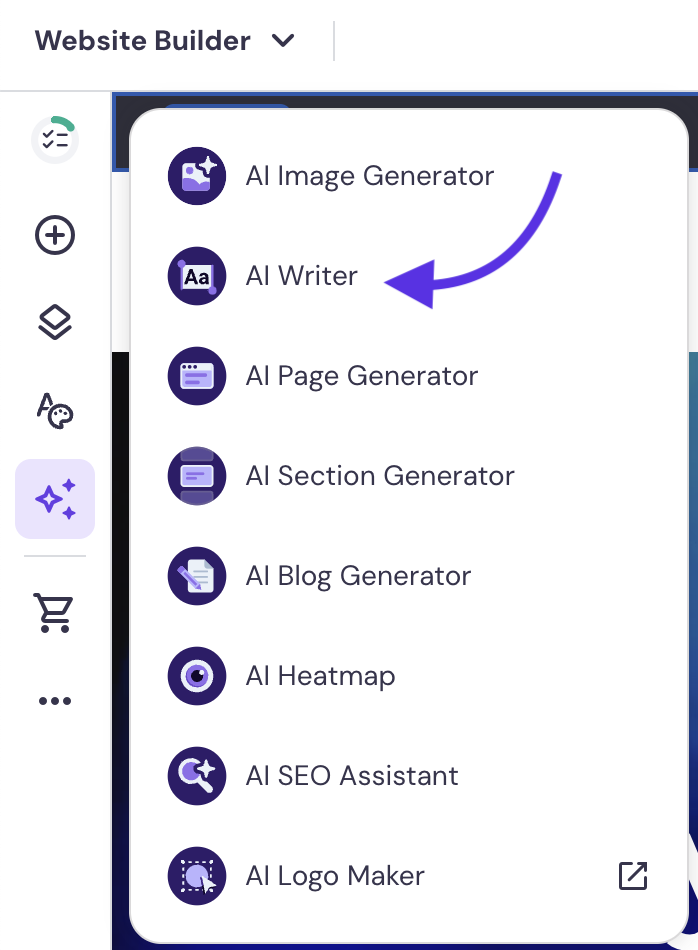
Next, specify the details of the art description you want to generate. You can describe the type of art, the ideas you want to translate, and so on.
Click “Create text” and get your description ready in a few seconds.
11. Market and promote your art
Just like anything else you sell online, your art store needs a promotional strategy.
Building a professional, SEO-friendly website with high-quality images is the first key step.
From here, use various online channels to spread the word.
First, create and actively manage your social media accounts. Instagram, Pinterest, Facebook work great for building your fan base.
For example, @rosacart is an Instagram account offering art for sale. The author creates engaging posts and reels to increase reach and attract potential buyers.
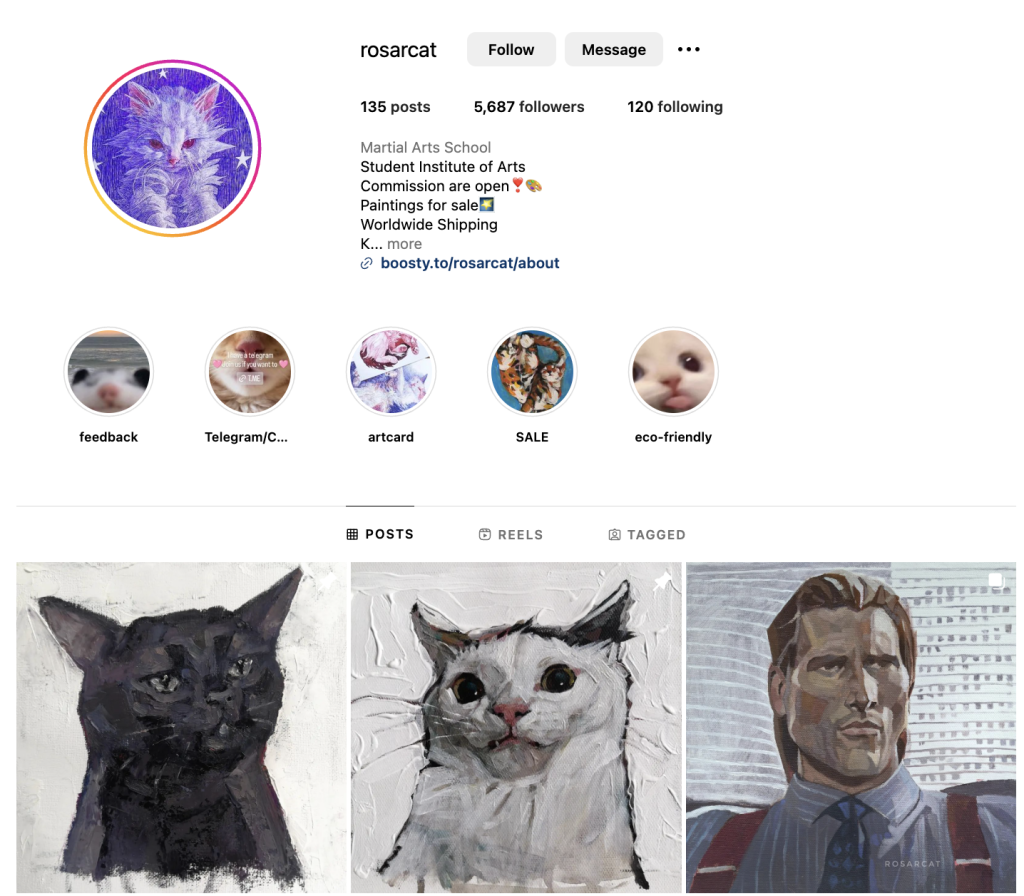
Make sure to regularly post video and static content and interact with your followers. In addition to showing your work, you can also use humor, art tutorials, and behind-the-scenes content.
Creating reels (video content) can be especially effective.
Accounts like @emaesmith generate up to 30k views per reel showing their work process and the end result.

You could even run paid ads to promote your art for sale.
Meta lets you add all kinds of audience settings, including demographics, preferences, behavioral patterns, and more.
Overall, posting educational and entertaining content can do wonders for you.
You could even repurpose your video and image social media content and share it on other platforms.
For instance, write blog posts with painting instructions and post video tutorials on YouTube.
All this will help you attract followers and promote your art without a large investment.
Let’s look at another example.
Lachri Fine Art offers detailed painting tutorials, primarily in acrylics and oils. The channel features step-by-step guides and tips for artists of all skill levels.
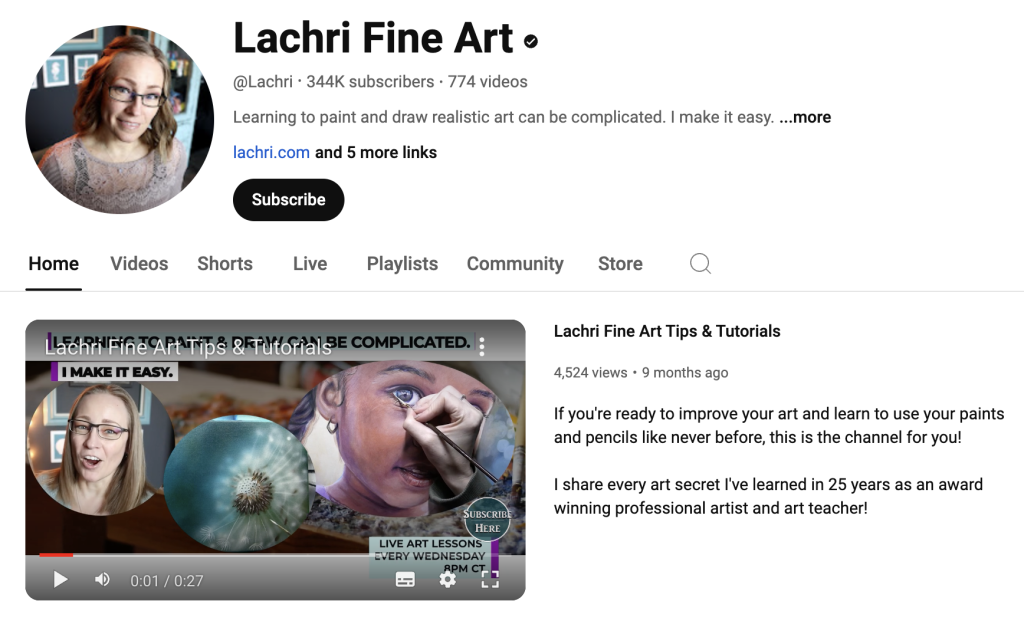
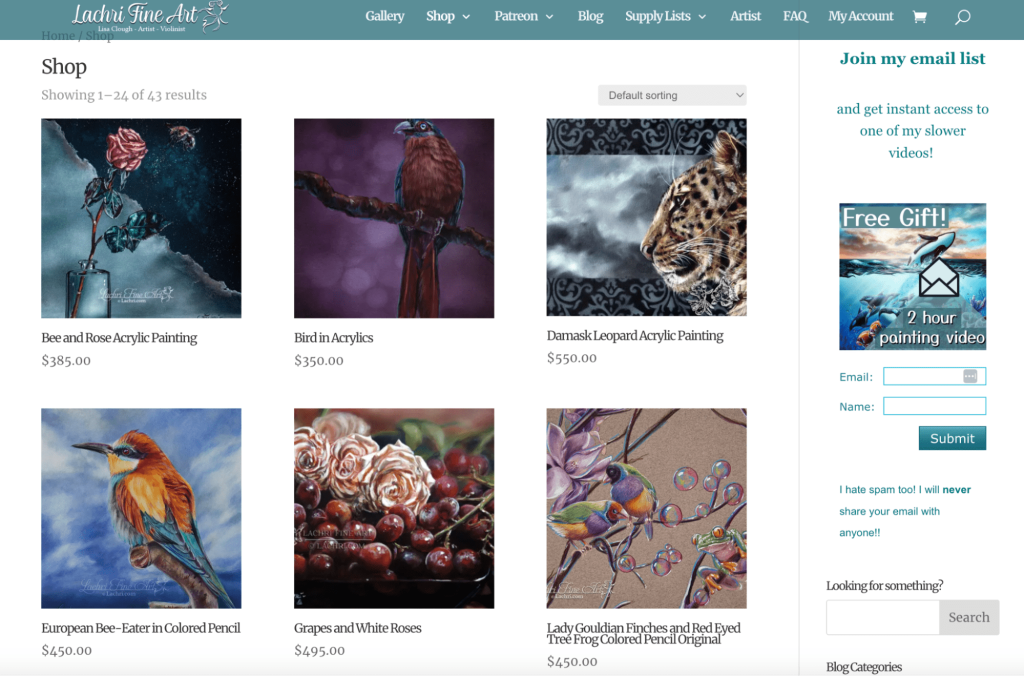
The artist, Lauren, also sells her original paintings and prints through her website linked in the video descriptions.
Finally, it’s a good idea to promote your work in online art forums, groups, and marketplaces.
Websites like DeviantArt, Behance, and Reddit’s art communities are excellent places to share your work, seek feedback, and network.
And, as we already established, joining marketplaces like Etsy or Fine Art America gives you direct access to a pool of buyers actively looking to purchase art.
12. Monitor orders and shipping
A smooth order fulfillment process helps you improve customer satisfaction and encourages repeated purchases.
This way, you ensure timely delivery of your artwork and promote trust with your customers.
Here are the key steps you’ll need to take.
First, choose reliable shipping options.
Opt for trusted shipping carriers such as UPS, FedEx, or DHL, which offer tracking and insurance options to protect your artwork in transit.
If you’re shipping internationally, check if your chosen carrier can handle customs and international logistics.
- For smaller items like prints, lightweight shipping methods with tracking should be enough.
- But for larger, more expensive works, you might want to invest in professional packaging and expedited shipping.
Second, communicate clear delivery times.
Be upfront about processing times – whether it’s 3-5 business days for ready-to-ship items or a couple of weeks for custom or commissioned work.
Your delivery estimate should be based on the shipping carrier and destination.
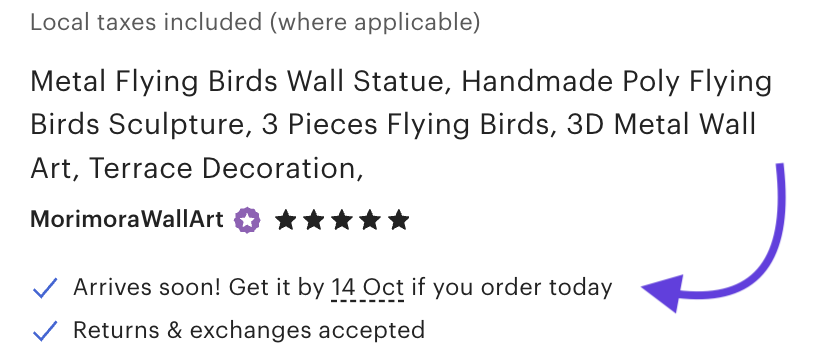
Always update your customers about any potential delays and provide tracking information. It’s also a good idea to include information about returns and refunds.
For example, all Etsy sellers provide an approximate delivery time and mention if it’s possible to return the item:
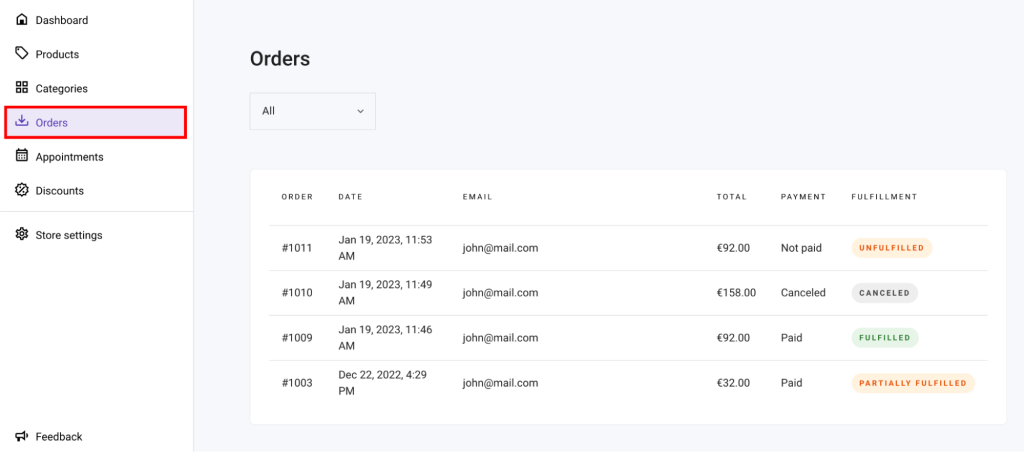
Next, make sure to use a tool to track orders and manage customer service efficiently.
For example, Hostinger’s Website Builder lets you see when an order is placed and track its fulfillment status.
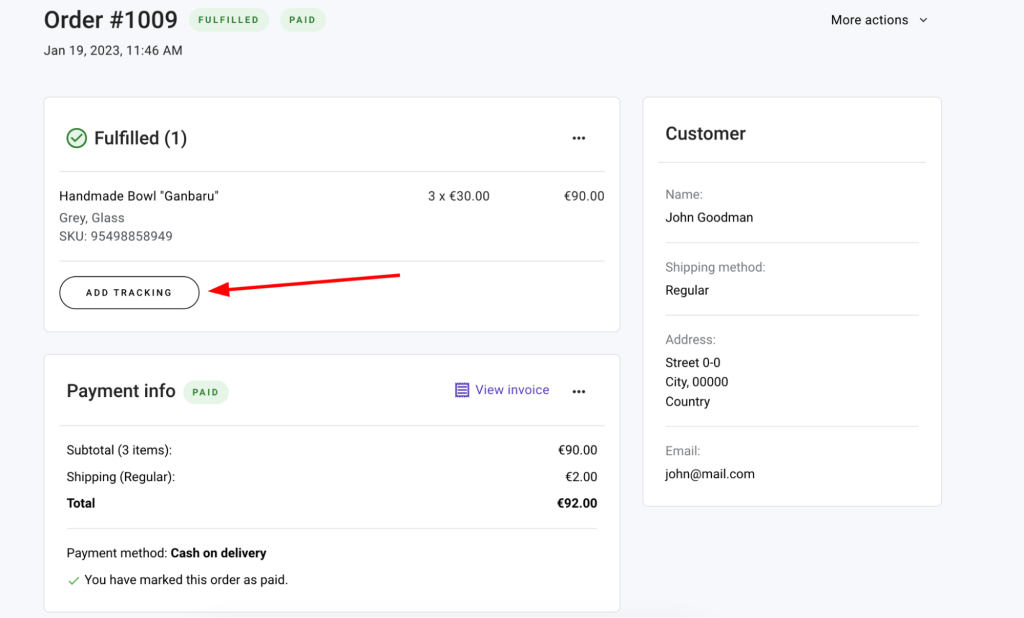
You can also automatically update customers with shipping and tracking information. All without leaving the tool.
13. Track sales performance
Finally, you’ll need to monitor your sales data as you attract your first orders.
Sales performance analysis helps you understand what works well, what sells well, and what needs optimization.
Here are the key metrics you’ll need to track:
- Conversion rates: This shows the percentage of visitors to your site or marketplace who make a purchase. A low conversion rate may indicate issues with your website, product descriptions, promotional assets, audience targeting, or pricing.
Conversion Rate = (Number of sales / Number of visitors) × 100
- Average order value (AOV): This is the average amount each customer spends per order. Increasing AOV by offering upsells, bundles, or higher-priced items can boost your profits.
Average Order Value = Total revenue / Number of orders
- Customer acquisition cost (CAC): This metric tracks how much it costs to acquire a new customer, including advertising and marketing expenses. Keeping CAC low helps you maintain profitability.
Customer Acquisition Cost = Total marketing and advertising spend / Number of new customers acquired
- Customer lifetime value (CLV): CLV measures the total revenue a customer is expected to generate throughout their relationship with your business. Building long-term relationships with your buyers can increase CLV and lead to repeat sales.
Customer Lifetime Value = Average order value × Number of purchases per year × Average customer lifespan (in years)
You’ll need specialized software to track sales performance effectively.
For example, Hostinger’s Website Builder comes with third-party analytics tools that are easy to access and use.
These include Google Analytics, Facebook Pixel, Google Adsense and more.
By using these built-in tools, you can easily track the most influential metrics and adjust your strategies as needed.
Start selling your art online today
Selling your art online can transform your passion into a thriving business. If you feel like you’re ready to give it a try, follow the key steps we listed in this guide:
- Register your business and legally protect your work
- Analyze the market and your target audience
- Choose the right platforms for selling your art
- Create a pricing and promo strategy
- Keep learning and adapting based on your sales performance
Ready to launch your online art store today? Make sure to check out Hostinger’s Website Builder, which makes it easy, even for beginners.
How to sell art online FAQ
Are there any tips for photographing and presenting art online?
To make your art stand out, use natural light or a softbox to avoid harsh shadows. A plain, neutral background helps keep the focus on the piece. For 3D works, shoot from multiple angles. Editing the images for brightness and clarity can also make a huge difference.
Can I sell digital or downloadable artwork online too?
Yes! Digital art has a huge market online. You can sell downloadable files, such as prints, illustrations, or design elements. Platforms like Etsy, Gumroad, and Society6 let you offer digital products that buyers can download instantly after purchase. Selling digital art is also possible if you operate your own website, which gives you more control over the processes.
Are there any legal considerations when selling art online?
There are a few important ones. Make sure you have copyright protection for your original work, especially for digital art. In some countries, it’s a good idea to formally register your copyright. You should also define your terms of service, particularly around usage rights for digital downloads. Finally, you need to register your business and pay taxes based on your location.

Margarita is a Barcelona-based marketer with over eight years of experience across various tech industries. She also teaches content marketing and SEO at business schools and blogs about digital marketing.

Miglė Cicėnaitė-Jocė is a Product Manager for Hostinger's Website Builder. She is on a mission to redefine website creation, focusing on the AI flow and its features, and is always eager for product feedback and market insights to improve the user experience. Follow her on LinkedIn.