How to promote a web app: 10 proven strategies
May 29, 2026
/
Bruno S.
/
8 min Read
So you have a great idea for a web app – or maybe you’ve already built and deployed it. How are you going to let the world know that your app can help them deal with the specific problem you’ve designed it to solve?
Promoting a web app isn’t just about getting the word out; it takes smart planning, ongoing tweaks, and the right mix of strategies to turn visitors into loyal users.
In this guide, we’ll walk you through ten proven ways to develop a strategy, get the word out, and build a loyal user base. Let’s go!
1. Define your ideal user personas
After you’ve developed your web app, your promotional strategies will be more effective if you target specific user groups. Narrow it down so that you can show people who genuinely need your product that you understand their challenges.
That’s where user personas come in: these are detailed profiles of your ideal users, representing different segments of your audience. A persona helps you understand the pain points, unique needs, and motivations of each group so you can tailor your message accordingly.
To build your personas, start by gathering data from multiple sources. Here are a few ideas:
- Surveys – reach out to your current users to get feedback on their experiences and challenges.
- Customer interviews – have one-on-one conversations with users to dive deeper into their needs.
- Competitor analysis – see who your competitors are targeting and how they’re positioning their products.
For example, if you’re promoting a task management app, your marketing message for startup team leads might emphasize how the app simplifies assigning and overseeing tasks and visualizing timelines without unnecessary complexity.
On the other hand, your messaging for mid-sized companies could focus on the app’s scalability, advanced collaboration features, and support for more complex workflows that larger teams often require.
This approach will allow you to create segmented campaigns that speak directly to your various users’ needs.
2. Develop an early-access or beta launch strategy
Early access or a beta launch is a way to give a select group of people a chance to try your web app before it’s fully released to the public. Think of it as a “sneak peek” – you’re letting users test the app, share their thoughts, and help you make it even better.

To encourage people to sign up for early access, try offering additional incentives like discounts or free upgrades for their feedback. This not only helps you improve your app, but also gets users excited to be a part of its growth.
A good tip is to start by previewing your web app in smaller markets. This lets you iron out any technical issues and fine-tune your marketing strategy before the main launch.
3. Leverage app directories and product listing platforms
To get more eyes on your web app, consider listing it on product listing platforms and popular app directories. These platforms are where people go to read reviews, compare options, and discover new tools.
By submitting your app, you increase its visibility and make it easier for your ideal users to find it. Some great platforms to consider include:
- Product Hunt – perfect for launching early-stage apps and gaining early adopters.
- G2 and Capterra – these are ideal for B2B apps, where businesses look for software reviews and recommendations.
- AlternativeTo – a great place to list your app if you’re offering a solution that competes with others.
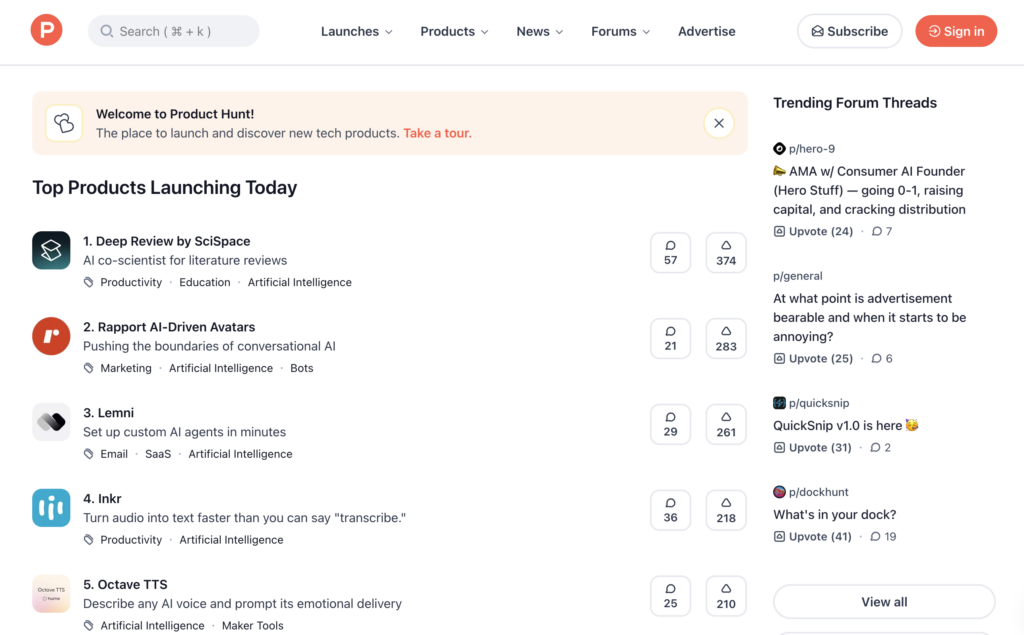
The real power of these platforms lies in the reviews. Positive feedback from users on these sites can boost your credibility and drive organic traffic to your web app. As more people see that others trust your app, they’ll be more likely to give it a try.
Pro tip
While you can’t legally offer incentives in exchange for reviews, don’t hesitate to ask your users to leave reviews, especially if they’re early adopters or fans of tech gear – as they may also be avid reviewers.
4. Use social media for visibility and engagement
Social media is a powerful tool for connecting with your audience, creating buzz around your web app, and building lasting relationships with users. But to do this effectively, you’ll need to meet your audience where they spend their time.
Here’s how you can make the most of different platforms:
- X – share quick updates, tips, and industry insights. Use hashtags to join relevant conversations, engage with users, and stay involved in trending topics.
- Reddit – participate in niche subreddits related to your app’s target industries. Answer questions, offer valuable advice, and share non-promotional content to build trust with potential users.
- LinkedIn – great for B2B promotion. Share case studies, product updates, and thought leadership articles. Connect with professionals in your target industry to build credibility.
- Facebook – create a group for users to ask questions, share feedback, and connect. Post regularly with success stories, user testimonials, and helpful tips to keep the community engaged.
- Discord – build a real-time, interactive community where users can chat, ask for support, and provide feedback. Host AMAs or Q&A sessions to keep your community involved and connected.
- Instagram – showcase your web app with visually engaging posts, stories, and reels. Share user-generated content, app walkthroughs, and behind-the-scenes glimpses to attract a broader audience.
- TikTok – use short-form video to highlight your web app’s features in a fun and engaging way. Share tutorials, challenges, or user success stories to catch the attention of a younger, tech-savvy crowd.
Storytelling works well on social media. Instead of just promoting features, show real-life examples of how your app solves problems and improves users’ daily lives. For instance, if your app has a productivity feature, show viewers how it can simplify a specific task in real life.
Plus, building a community around your app can help you foster engagement. As your community grows, it will not only keep your users engaged but also attract new ones through word-of-mouth and organic growth.
5. Build authority through content marketing
Content marketing is all about creating and sharing valuable content that educates, informs, or entertains your audience. It works to attract and retain customers by keeping them engaged and providing ongoing value.
Here’s how to do it:
- Diversify your content – keep blogging, but also use videos, webinars, and infographics to showcase your app’s features and benefits. Your content will then be seen by a bigger audience.
- Focus on user pain points – address common problems your target audience faces. For example, if you’re promoting a project management app, you could create content on streamlining team workflows or enhancing productivity.
- Guest blogging and influencer collaborations – reach new audiences and boost credibility by contributing guest posts. Partner with influencers in your niche and get them to review your app.
- Create valuable educational content – offer in-depth guides, tutorials, or case studies that will help users understand how to make the most of your web app. This can help you to stand out as an expert in your field.
Instead of directly promoting your web app, you’re providing content that helps users solve problems or improve their skills, which builds trust and positions your brand as a credible authority.
6. Launch strategic referral and affiliate programs
A referral program lets your current users help spread the word about your web app in exchange for a reward. When users feel rewarded for bringing in new customers, they’re more likely to promote your app. Offering attractive incentives, such as a free premium subscription or exclusive features, can motivate them to share your app with friends, family, and colleagues.
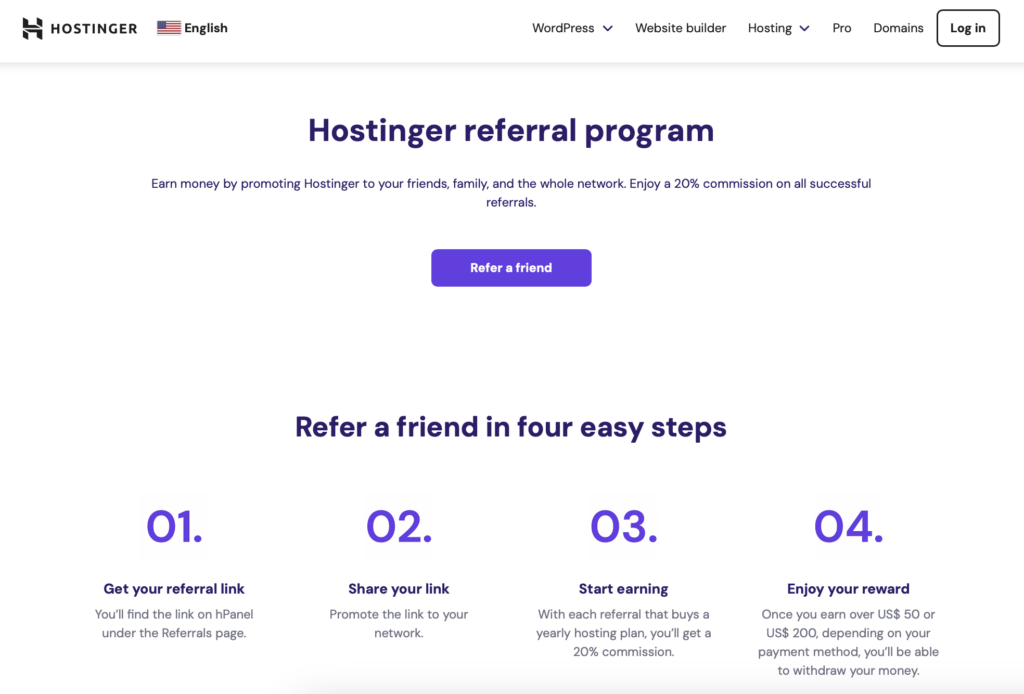
In addition to a referral program, affiliate marketing can be an effective strategy to expand your reach. By partnering with affiliates who already have an audience that aligns with your app, you can tap into new groups of potential users.
Affiliates can help spread the word through their blogs, social media channels, or newsletters in exchange for a commission or other rewards.
To make it even easier for users to promote your web app, consider adding in-app sharing features. This allows users to invite others directly from the app, whether it’s via email, social media or messaging platforms.
7. Use targeted paid advertising campaigns
Paid advertising can significantly boost your web app’s visibility, especially when you use the right platforms. Here are three key strategies:
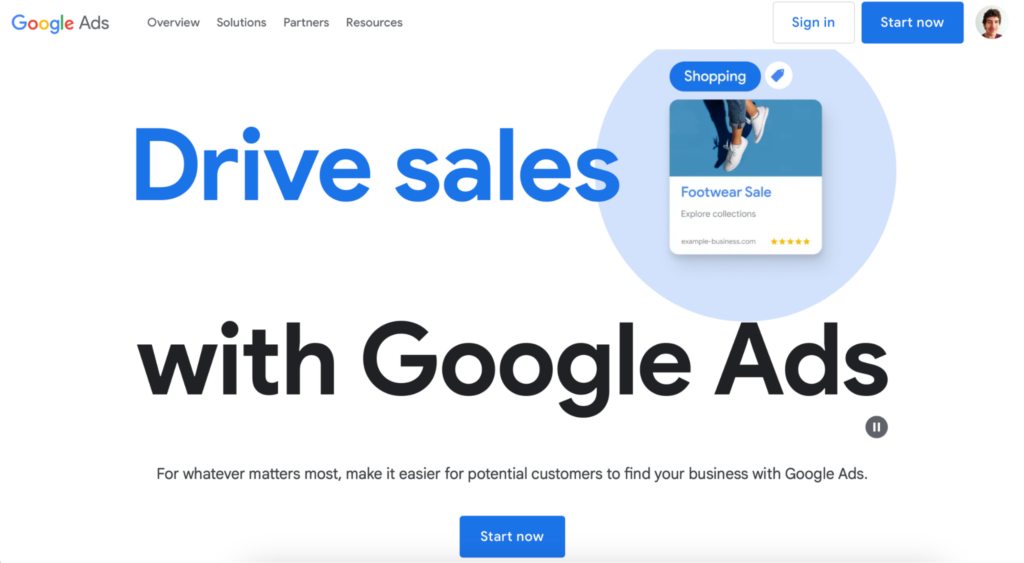
- Google Ads – target users who are actively searching for solutions like yours by bidding on high-converting keywords (e.g., “best project management software”). This ensures your app appears when potential customers are ready to take action.
- Facebook Ads – reach specific demographics based on interests, behaviors, and location. This is useful for brand awareness and engaging a broader audience that may not be actively searching but is likely interested.
- Retargeting campaigns – re-engage visitors who visited your site but didn’t convert. Show them reminder ads on Google’s display network or social media to bring them back and encourage sign-ups or upgrades.
Combining these strategies ensures you’re targeting the right users at different stages of their journey, maximizing your ad spend.
8. Offer a freemium model or free trial
Giving users a chance to try your web app for free can reduce potential customers’ hesitation. By incorporating web app monetization strategies that balance a freemium model – keeping core features accessible while charging for premium upgrades – with a free trial that lets users explore all functionalities for a limited time, you can drive engagement and boost conversions.
To make the most of this approach, guide users toward key features early on. A smooth onboarding experience, helpful notifications, and well-timed emails can encourage them to see the full value of your app. As the trial period ends, offering limited-time discounts or exclusive features can help convert free users into paying customers.
9. Build trust through social proof and case studies
Potential users want proof that your web app works before they commit. Social proof – that is, real experiences from satisfied customers – helps establish credibility and influence decision-making. Here’s how to leverage it effectively:
- Collect and showcase testimonials – positive feedback from real users can be the deciding factor for new customers. Feature testimonials on your website, landing pages, and even inside the app to reinforce trust.
- Create in-depth case studies – a case study goes beyond a simple testimonial by providing concrete results. Show how your app solved a real problem with measurable outcomes. For example, if your app improves productivity, share data on how a company reduced task completion time by 30% after adopting your tool.
- Highlight user stories on social media – share real experiences through posts, video testimonials, or before-and-after scenarios. Featuring user success stories humanizes your brand and strengthens your connection with potential customers.
By consistently showcasing real-world results, you create a compelling reason for users to trust your app enough to give it a try.
10. Tap into influencer and partner collaborations
Strategic collaborations can help you expand your reach and build credibility more quickly.
Start by working with micro-influencers or industry experts who have a niche following. For example, partnering with productivity coaches or business consultants can allow them to showcase your web app in a relatable, authentic way.
Look into forming partnerships with complementary apps that serve a similar target audience but don’t directly compete with yours. For example, if you’re building a time-tracking app, you could partner with a payroll software company to offer integrated features or bundled promotions. This allows both parties to expand their reach and cross-promote to each other’s customer bases.
You can also host joint webinars or live demos with your partners. For instance, if you offer a CRM platform, team up with a sales automation tool for a webinar on improving sales workflows. This way, you provide valuable content while subtly promoting both apps to a new audience.
Conclusion
Promoting your web app successfully requires a mix of strategic planning and consistent effort.
Start by defining your ideal user personas, then build anticipation with beta launches and targeted campaigns. Use social media, content marketing, and paid ads to increase visibility, while building trust through social proof and partnerships.
Remember, web app marketing isn’t a one-time effort. It’s about experimenting with different strategies, analyzing results, and adapting as you go. Stay consistent, be patient, and always focus on providing real value to your users.
The right approach, with ongoing optimization, will help you grow your app and build a loyal customer base. Good luck!
How to promote a web app FAQ
u003cstrongu003eWhat are the most effective ways to promote a web app?u003c/strongu003e
The most effective ways include defining your target audience, using beta launches to gather feedback, listing your app on relevant platforms like Product Hunt, leveraging social media for visibility, creating valuable content, and running paid ads.
u003cstrongu003eHow much does it cost to build a web app?u003c/strongu003e
The u003ca href=u0022https://www.hostinger.com/tutorials/how-much-web-app-costsu0022u003ecost of building a web appu003c/au003e will depend on the number of features and the level of complexity, but it typically ranges from a few thousand to hundreds of thousands of dollars. But tools like u003ca href=u0022/horizons/ai-app-builderu0022u003eHostinger Horizonsu003c/au003e allow you to create web apps for a fraction of that cost. Pricing starts at u003cstrongu003e0/monthu003c/strongu003e for u003cstrongu003e70 AI creditsu003c/strongu003e. This includes hosting and 1-click publishing.
u003cstrongu003eHow do I choose the best pricing strategy for my web app?u003c/strongu003e
Consider factors like your target market, competitor pricing, the value your app provides, and whether you’ll use a freemium model, subscription, or one-time payment. Test different strategies to see what works best for your audience.

Bruno is a Content Writer at Hostinger, focused on creating and optimizing helpful, engaging articles about web development and marketing. With a background in journalism, he combines storytelling with practical insights to make complex topics easier to understand. He has also contributed to publications like MacMagazine and Jornal A Tarde. Outside of work, Bruno enjoys exploring art, cooking, and technology.