How to increase sales online: 20 actionable strategies that work
Mar 10, 2026
/
Simon L.
/
13 min Read
To increase sales online, you need to focus on four key areas: getting more customers, increasing order value, encouraging repeat purchases, and improving conversion rates.
In this guide, we’ll explore 20 actionable strategies within these key areas that you can use to grow your online sales.
From understanding what motivates customers to buy to making practical website improvements, these strategies are effective for businesses of all sizes and industries.
Ready to discover how to increase sales online? Let’s dive in.
What are four general ways to increase sales?
Before exploring specific tactics, it’s essential to understand the four fundamental approaches to increasing online sales.
1. Increase the number of customers
Getting more people to your online store is the most obvious path to increasing sales.
This includes forming strategic partnerships, running targeted digital marketing campaigns, and creating valuable content for your ecommerce, blog or social media.
The key is to drive targeted traffic to your store. Quality always trumps quantity when it comes to visitors who are likely to convert.
For example, a handmade soap company can increase its customer base by creating detailed skincare guides that rank well on Google for related keywords, running targeted Instagram ads, and launching a store on Etsy for potential customers looking for handmade soap.
2. Increase the average transaction value
Once customers are ready to buy, how do you get them to spend more? Increasing your average order value can directly impact your bottom line without requiring additional marketing spend.
Increasing transaction value involves creating product bundles, tiered pricing options, and relevant product recommendations.
For example, an online plant shop can increase its average order value by offering curated plant starter kits, including the plant, a pot, and tools, suggesting complementary products such as plant food with every plant purchase, and providing free shipping on orders over $60.
These strategies can enhance customer satisfaction rather than feeling pushy when done right.
3. Increase the frequency of purchases
Boosting purchase frequency can create predictable revenue and sustainable growth.
You can keep customers coming back through loyalty rewards, subscription offers, and personalized follow-up campaigns.
For example, a specialty coffee store can transform its business by introducing a coffee club subscription that delivers fresh beans every two weeks, sends personalized brewing tips based on purchase history, and includes handwritten thank-you notes with every fifth purchase.
Retaining existing customers is just as important as gaining new ones.
4. Improve conversion rates
Converting more of your existing traffic into buyers can dramatically increase sales without having to spend more on marketing.
Increasing conversion rates focuses on having a simple checkout process, engaging product descriptions, and prominent trust signals.
For example, a fitness apparel brand can increase its conversion rate by reducing its checkout process from three pages to one, adding detailed product descriptions, and prominently displaying customer testimonials.
Even minor improvements in conversion rate can lead to significant revenue increases.
20 unique strategies to increase sales online
Now, let’s explore 20 actionable strategies within these four pillars to help you increase sales online.
1. Communicate your unique selling points effectively
With over 28 million ecommerce stores worldwide, customers need a clear reason to choose your store over others. Your unique selling points are the distinct benefits or features that set your business apart.
To see how you can stand out, start by visiting the top competing stores in your niche and analyzing:
- What claims do they make?
- What gaps or customer pain points aren’t being addressed?
- How do they position themselves? For example, are they premium, value, or specialty?
- What are people saying about their products?
After gathering this information, identify where your business can offer something better or different.
Then create clear messages that highlight these unique advantages to your target audience on your homepage, in your marketing communications, and product descriptions.
La Queue de Vache is an excellent example of this. They clearly show what makes their products special – handmade Normand knives with local history.
Their site and social media highlight the craftsman’s skill with photos and stories, and back up its premium quality with perfect customer reviews.

2. Use video testimonials and user-generated content
Trust is essential for increasing sales online, and seeing real customers using and loving your products is a great way to build trust.
Written reviews help, but video testimonials create a stronger connection with potential buyers – 87% of people are more likely to buy a product after watching a video.
How to collect compelling video testimonials:
- Send follow-up emails to satisfied customers offering an incentive, like a discount, free product, or donation to charity, in exchange for a short video review.
- Keep the submission process simple with basic guidelines on length and what to cover.
- Ask specific questions that prompt storytelling rather than generic praise: “What problem did our product solve for you?” or “What surprised you most after using it?”
Then you can show customer videos on product pages, create a branded hashtag on social media, and highlight before-and-after content that shows your product’s impact.
For example, DG Card Game effectively shares real customer unboxing videos on TikTok, showing people’s excitement when opening their card packs. These genuine reactions build trust with potential buyers by creating an emotional connection to their products.

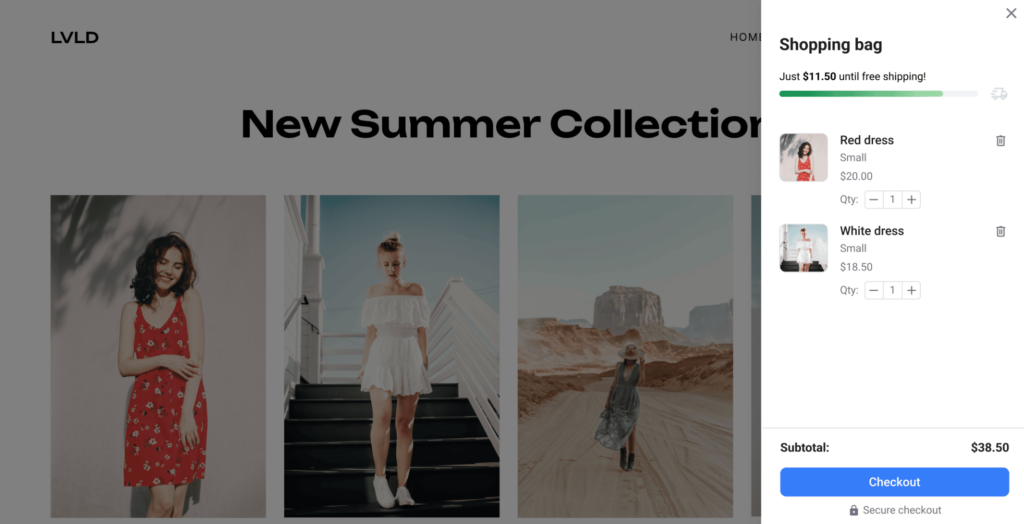
3. Offer tiered free shipping based on order value
Offering free shipping tiers can boost sales, 84% of consumers are more likely to buy, because of free shipping tiers.
The key is in setting up shipping tiers to increase sales and average order sizes.
How to set up tiered shipping:
- Calculate your current average order size and set your free shipping threshold 15-20% higher.
- Create multiple levels with added benefits, such as standard free shipping at $50 or faster shipping at $75.
- Clearly show how much more a customer needs to spend to reach the next level.
- Test different thresholds to find what works best for your store.
Show shipping thresholds clearly on product pages and tell customers exactly how much more they need to spend with messages like “Just $11.50 until free shipping” alongside product suggestions in that price range.
4. Implement interactive upsells and cross-sells
Standard product recommendations are effective, but interactive upsells and cross-sells do more by actively involving customers in building their perfect purchase.
Here’s how to create interactive upsells:
- Use product builders like UpsellWP or Algolia that let customers personalize their orders.
- Create bundles that show savings when items are bought together.
- Allow shoppers to add matching items to complete a set.
- Use simple quizzes that suggest the right upgrades based on customer answers.
Make your upsells and cross-sells helpful by clearly showing the benefits of upgrading, keeping the process simple, and focusing on solving customer problems.
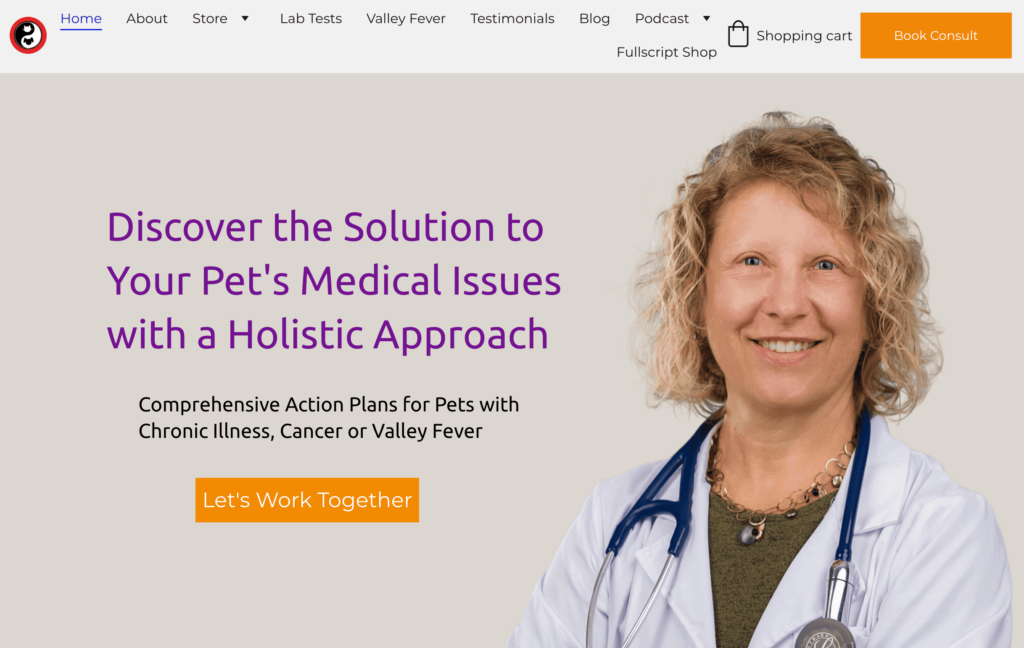
Dr. Pamela Dragos’ website effectively uses upsells and cross-sells. There is a natural progression from in-home lab tests and online consultations to supplements, remedies, and specialized courses.
5. Elevate your brand with stunning web design
Your website is often the most effective place for customers to purchase your products. While visual appeal creates that crucial first impression, the practical elements of your design often convert browsers into buyers.
Here are key elements for increasing sales with web design:
- Clean, uncluttered layout that guides visitors to essential elements.
- Easy navigation and clear calls to action over flashy elements that slow down your site.
- High-quality product images, ideally from multiple angles.
- Consistent color schemes and fonts that reflect your brand identity.
- Mobile-responsive design that works flawlessly on all devices.
- Fast loading times and reliable performance.
You don’t need design skills or an expensive agency to build a professional store. Hostinger’s Ecommerce Website Builder has AI-powered layouts that boost sales and easy-to-customize elements that keep your brand looking consistent.
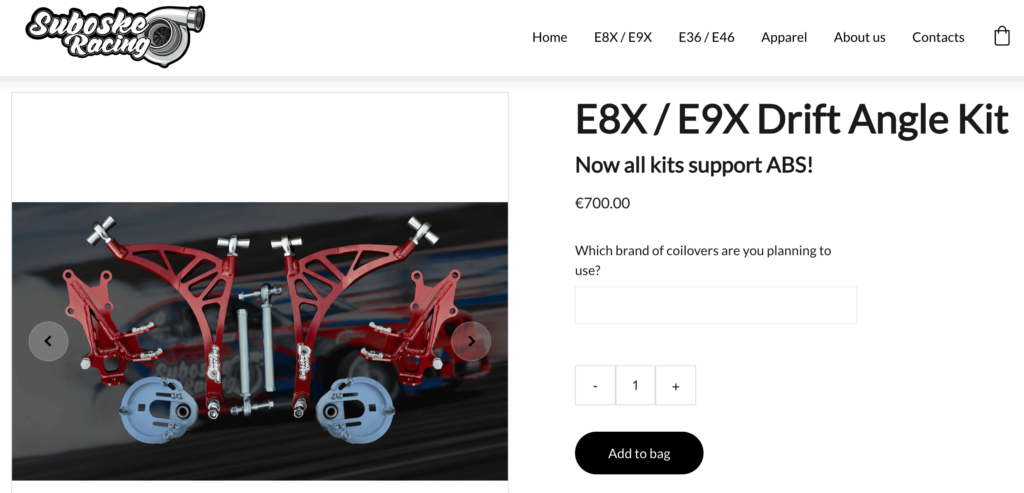
Take Suboske Racing‘s website. Created with our online store builder, it has a great design and a clean layout highlighting their excellent photos.

The clear headlines and buttons make it easy for racing fans to find and purchase what they need.
Like Suboske Racing, you can create an online store that drives sales with Hostinger’s Ecommerce Website Builder.

6. Display dynamic trust signals
Dynamic trust signals show real-time activity on your website, such as current visitors, recent purchases, and customer reviews.
Like static elements such as badges and certificates, these active indicators build social proof that can turn browsers into buyers.
Effective dynamic trust signals include:
- Visitor counts. “12 people are viewing this product now”.
- Recent purchase alerts. “Sarah from Portland just bought this”.
- Low stock warnings. “Only 3 left in stock”.
- Fresh reviews. “Perfect product and fast delivery”.
Place trust signals on product pages near the price, checkout pages before payment, and landing pages for new visitors.
These elements work best when subtle and helpful, not pushy or distracting.
Tools like ProveSource and TrustPulse make it easy to add these notifications to your store and work with most ecommerce platforms.
7. Create a personalized website navigation experience
Personalized navigation adapts to each shopper’s interests and preferences, making it easier to find relevant products and increasing the likelihood of a purchase.
Personalized navigation strategies can include:
- Showing recently viewed items.
- Displaying category recommendations based on browsing history.
- Featuring personalized search results that prioritize items matching interests.
- Presenting custom navigation menus that highlight categories relevant to the shopper.
- Remembering and auto-filling search queries.
Tools like Nosto and Clerk.io integrate with most ecommerce platforms and can automatically adapt your navigation based on visitor behavior.
8. Offer one-click checkout options
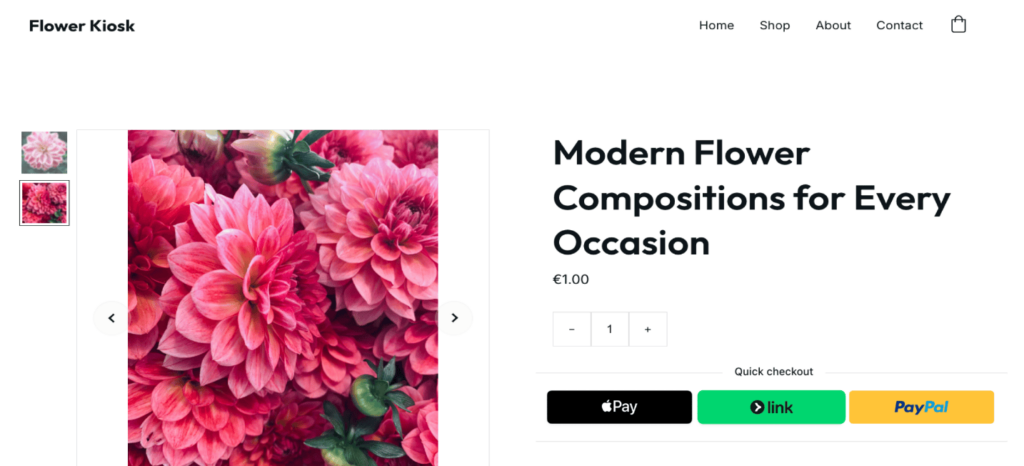
A one-click checkout makes purchasing quick and easy by letting returning customers skip filling out forms and entering payment details.
The key to one-click checkout includes:
- Saving payment and shipping details for returning customers.
- Having a guest checkout that uses information saved in the browser.
- Adding “Buy now” buttons that skip the shopping cart for single items.
- Allowing easy reordering for products that customers buy regularly.
- Enabling social login with Google, Facebook, or other accounts for faster access.
Popular online store platforms like Hostinger’s Ecommerce Website Builder offer streamlined checkout to simplify the buying process and boost conversions.
9. Accept niche-specific alternative payment methods
While several popular online payment methods exist, many customers prefer alternative methods specific to their region or shopping preferences.
Catering to these options can help you make more sales from your target audience.
Consider adding these payment alternatives:
- Buy now, pay later services like Klarna and Afterpay for higher-priced items.
- Local payment methods for international markets, such as RazorPay for India, and dLocal Go for Latin America.
- Mobile payment systems popular with online shoppers such as Venmo or Cash App.
Start by checking your store analytics to see which countries your visitors come from and check which payment methods are popular in those locations.
Then, highlight all payment options throughout your site to let shoppers know that you accept these regional methods.
Hostinger’s Ecommerce Website Builder simplifies this by offering payment integrations for multiple regions, including Latin America, Europe, Lithuania, India, and manual options.
This built-in support eliminates the need for complex third-party integrations when expanding to new markets.
10. Provide proactive customer service
Most online stores wait for customers to contact them with questions or problems.
Proactive customer service flips this approach by addressing needs first, helping to build trust and removing purchase barriers.
Proactive customer service strategies include:
- Live chat with triggers based on browsing behavior, such as offering help after a visitor views the same product category multiple times.
- Product specialists who can answer detailed questions via video chat for high-value items.
- Pre-purchase messages for abandoned carts with specific answers to potential concerns.
- Post-purchase check-ins to ensure customer satisfaction before any issues arise.
- Educational content delivered at key moments in the customer journey.
A great example of proactive customer support is MLAstro. They provide helpful video tutorials showing exactly how their telescopes and star trackers work in real situations.

And their live chat app offers expert help just when people might have questions, like when comparing different models.
This approach makes buying complex astronomy equipment simple.
11. Create interactive social media content
Interactive content on social media can be a great way to encourage audience participation, create meaningful engagement, and expand your reach.
Here are some great interactive content types:
- Polls and quizzes that help users discover which products suit their needs.
- “This or That” choice posts that spark debate about product preferences.
- Live shopping events where viewers can ask questions in real-time.
- Contests that encourage creative user-generated content.
- Collaboration with micro-influencers to highlight specific features for targeted communities.
The key is to make content valuable and fun. Little Panda Education shows how well this works on their social media profiles.
They post interactive content like simple Chinese character quizzes and “Word of the Week” challenges where followers can practice in the comments.
They also appear on podcasts that let followers meet the real people behind the business and understand their teaching methods.

This friendly, interactive approach helps turn curious social media followers into eager students by making learning Chinese feel fun and approachable before they even sign up for classes.
12. Implement a robust SEO strategy
With at least 43% of ecommerce traffic coming from Google’s organic search results, optimizing your online store for search engines can help you reach more potential customers.
Here are the key elements of ecommerce SEO:
- Target product-focused keywords, such as “best waterproof hiking boots” rather than just “hiking boots”.
- Create unique product descriptions that incorporate relevant keywords naturally.
- Optimize product images with descriptive file names and alt text.
- Have a mobile-friendly site structure with fast loading times.
- Ensure technical SEO factors like proper URL structure and schema markup are in place.
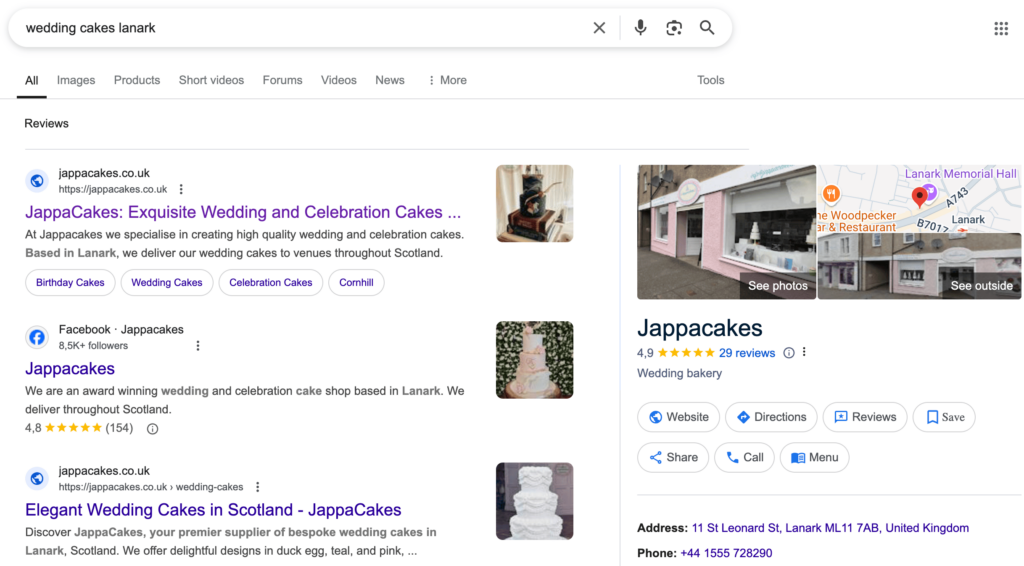
Jappacakes, based in Lanark, Scotland, shows how SEO can work for a local ecommerce business.
Using built-in SEO tools within our online website builder, they’ve carefully added keyphrases to their page titles, headings, and throughout their website in a way that still reads naturally.
This smart approach has paid off big time. When someone searches “wedding cakes Lanark” their website shows up in two of the top three results, with their Facebook page taking the other spot.
13. Build an email list and implement targeted email marketing
Creating an email newsletter is one of the most effective channels for driving repeat purchases and maximizing customer lifetime value.
But rather than wrestling with complex email design or spending hours crafting campaigns, you can use Hostinger Reach, an AI-powered tool that turns your ideas into professional emails instantly. Describe what you want to achieve – like “promote our flash sale to previous customers” or “welcome new subscribers with our brand story” – and the AI handles everything from compelling copy to mobile-optimized layouts. With automatic store integration and smart customer data syncing, you can launch targeted campaigns that boost revenue without the usual email marketing headaches.
These are effective list-building strategies to follow:
- Offer valuable sign-up incentives, such as discount codes, helpful content, or exclusive resources.
- Use timed pop-ups that appear after the visitor scrolls through your page.
- Create segment-specific lead magnets, such as different guides or discounts based on product categories.
- Run contests or giveaways that require email submission for entry.
It’s also a good idea to segment your list based on purchase history, browsing behavior, and engagement level. A simple approach is to create three segments: new subscribers, one-time buyers, and repeat customers, with each segment requiring different messaging.
Bleak District Electric effectively builds their email list with a well-timed pop-up that appears after visitors have engaged with their site.
They make signing up appealing by creating a sense of belonging rather than just joining another mailing list, while reassuring people with a clear “Never any spam, just info and offers” message.

14. Partner with niche-specific influencers and creators
Niche influencers are content creators with dedicated followers in specific interest areas, with 69% of consumers trusting their product recommendations.
Partnering with niche influencers allows you to drive more targeted traffic while building authentic trust in your brand.
Here’s how to find the right influencer partners:
- With tools like HypeAuditor, look for content creators already using or mentioning similar products.
- Focus on niche-influencers with high engagement rates rather than just a high follower count.
- Ensure their audience demographics match your target customers.
- Review their content quality and make sure their values align with your brand.
- Check their previous brand partnerships for professionalism and results.
Start with a few niche influencers rather than one large creator, using unique tracking links or discount codes for each. This approach lets you identify which partnerships drive the best results before scaling up.
Effective ways to work together include honest product reviews, videos showing how products are made, and helpful content that shows your product fixing actual problems.
Darkwing Tech does this well by partnering with Project RV: Living Lost to showcase their lights being used during mountain hiking and camping trips.
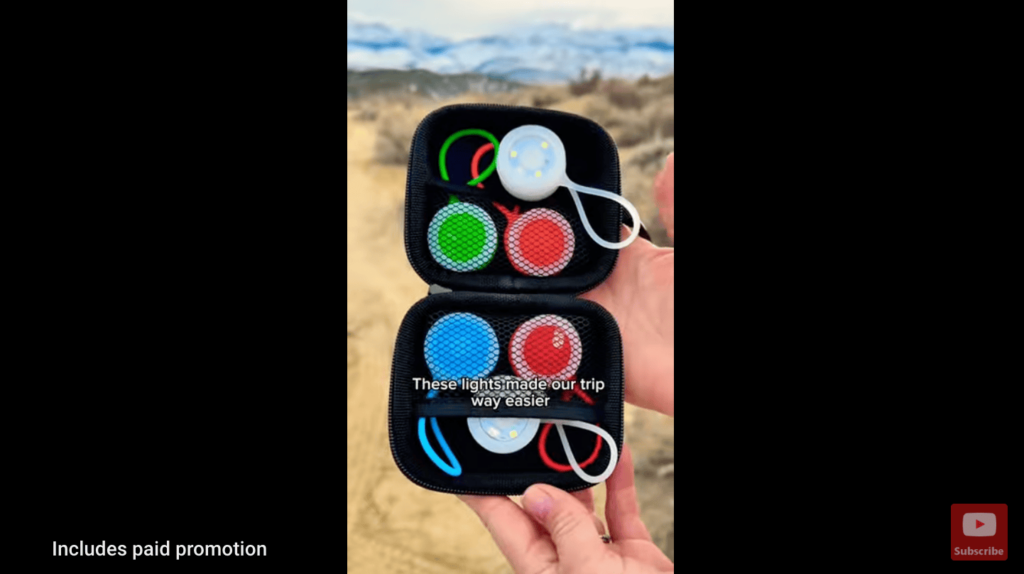
This collaboration works because it shows their product solving a real problem for a specific audience – outdoor enthusiasts who need reliable lighting for adventures.
15. Analyze sales data and implement A/B testing
Regularly testing changes and examining your sales data is an effective way to increase sales online consistently.
Here are key metrics to track and analyze:
- Conversion rate by traffic source, device type, and product category.
- Average order value and which products are frequently purchased together.
- Customer acquisition cost compared to lifetime value.
- Cart abandonment rate and at which step customers leave.
- Time and days with highest purchase activity.
A/B testing can help you improve these metrics by comparing two versions of a webpage to determine which performs better.
Elements worth A/B testing include page layouts, call-to-action buttons, different price points, and homepage hero images.
Focus on pages with the most traffic or highest potential value first. For example, testing different product descriptions on your best-selling item will yield more valuable insights than testing your FAQ page layout.
Tools like Google Analytics can be used to understand traffic patterns , while platforms like VWO offer user-friendly interfaces for setting up A/B experiments.
16. Implement a customer loyalty program
A well-designed loyalty program rewards repeat purchases, increases customer lifetime value, and turns satisfied customers into brand advocates.
When set up well, loyalty programs can increase sales by 15-25%, making them a great addition to your store.
Successful loyalty programs typically include:
- Points-based systems where customers earn points with each purchase to redeem for discounts.
- Tiered programs that offer increasing benefits as customers reach higher spending levels.
- Paid membership programs that offer exclusive benefits for an annual fee.
- Value-based programs that donate to causes for each purchase.
- Referral programs that reward customers for bringing in new shoppers.
Use tools like Yotpo or Kangaroo to create and manage your rewards program efficiently.
The most successful loyalty programs offer easy-to-reach early rewards to establish the habit and aspirational benefits that encourage ongoing engagement.
17. Curate limited-edition product collections
Limited-edition collections are specially designed product sets that are only available for a short time. They create urgency, appeal to collectors, and give customers compelling reasons to return to your store repeatedly to see what’s new.
Winning strategies for limited-edition products include:
- Seasonal collections tied to holidays or yearly events.
- Collaborations with artists, designers, or complementary brands.
- Themed collections that group products around specific interests.
- Releases that bring back popular, discontinued items temporarily.
- Anniversary or milestone collections celebrating your brand history.
It’s important to be transparent about how limited your products actually are, whether it’s a time-limited window, a specific quantity, or exclusive materials. Genuine scarcity creates legitimate excitement, while false scarcity can damage trust.
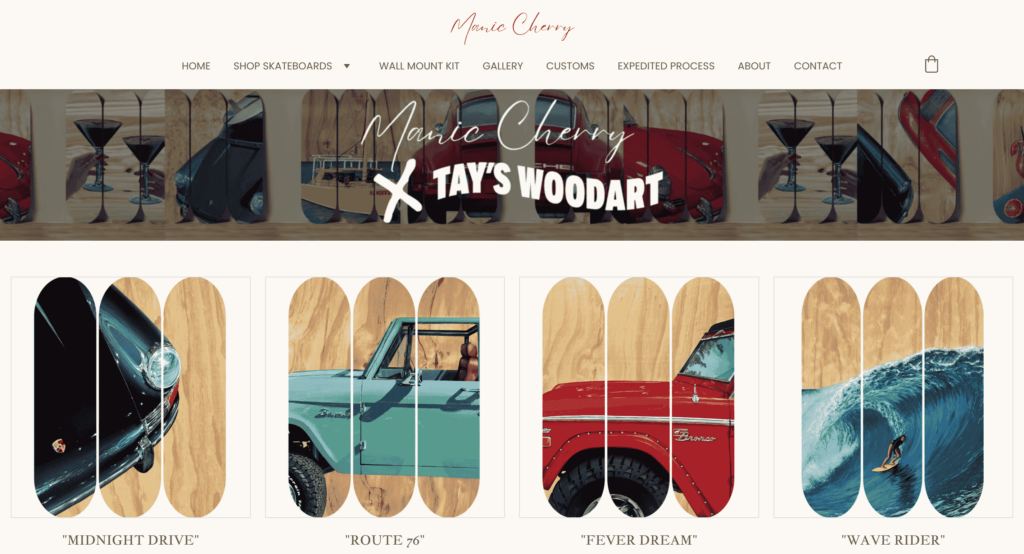
Manic Cherry excels at creating limited-edition art pieces through collaborations with artists such as Tay’s Woodart, SDH Paints, and Caroline Ellis.
18. Host live shopping events with interactive elements
Live shopping events bring your products to life through real-time demonstrations, interactive Q&As, and limited-time offers that create urgency and build community.
Here are some effective live shopping formats to try:
- Product launches showcasing new items and their features.
- Behind-the-scenes tours of your production or design process.
- Expert Q&A sessions addressing common questions about your products.
- Tutorial sessions showing how to use your products effectively.
- Collaboration events with influencers or complementary brands.
You don’t need expensive equipment to pull this off. Platforms like Instagram, Facebook, and TikTok offer built-in live shopping features and can be done with a smartphone.
Incorporate polls, giveaways, live chat questions, real-time discounts, and countdown timers to create two-way communication rather than a passive viewing experience.
EventMonetise effectively uses live virtual events to showcase their digital product creation courses, transforming what could be static content into dynamic, interactive experiences.

19. Create a dynamic returns policy based on customer behavior
A dynamic returns approach offers different terms based on customer history, purchase value, and product type, rewarding loyal customers while protecting against return abuse.
Here are the key elements of effective dynamic returns:
- Extended return windows for loyal customers or higher-tier loyalty program members.
- More flexible return options, such as free return shipping, for repeat customers.
- Clear “no return” policies for sale or clearance items.
- Category-specific policies, such as offering extended returns for clothing but stricter policies for electronics.
- Adjustable policies for peak shopping seasons, like holidays.
Frame your dynamic policy as a reward for loyal customers rather than a penalty for new ones. For example, “Loyal customers enjoy extended 60-day returns” sounds better than “New customers limited to 30-day returns.”
20. Implement a seamless multichannel sales strategy
A multichannel sales strategy allows you to meet customers wherever they prefer to shop, whether on social media, marketplaces, or your website.
Relying on just one sales channel puts your business at risk if that platform changes its policies, increases fees, or experiences technical issues.
In addition to your online store, key sales channels to consider include:
- Social platforms like Instagram Shop, Facebook Marketplace, and TikTok Shop.
- Online marketplaces such as Amazon, Etsy, and eBay.
- Shopping search engines like Google Shopping.
- Wholesale partnerships.
Keep your brand voice, product quality, and customer experience the same across all channels while tailoring your content to fit each platform’s rules and users’ expectations.
Sam Edwards has a great multichannel approach. He offers affordable art prints on Etsy to reach a broad audience of marketplace shoppers, while directing these customers to his website, where he sells higher-priced original artwork.

Conclusion
Implementing all 20 strategies at once wouldn’t be practical for most businesses. To increase sales online effectively, start with the approaches that address your specific situation.
- Not enough visitors? Focus on SEO, social media, and influencer partnerships.
- Visitors not converting? Prioritize trust signals, website design, and a simpler checkout.
- Average order value too low? Implement upsells, bundles, and tiered shipping.
- Customers not returning? Build your email list, launch a loyalty program, and improve customer service.
Remember, increasing online sales isn’t about finding one perfect solution – it’s about improving steadily in several areas. Even small changes can lead to big sales growth.
Ready to try these strategies?
Hostinger’s Ecommerce Website Builder makes many of these sales-boosting tactics easy to set up. In fact, all the online stores mentioned in this article were created using our website builder.
With built-in SEO tools, multiple payment options, ready-made designs, and mobile-friendly pages, you can quickly build a store that turns visitors into buyers.
How to increase sales online – FAQ
Is online selling still profitable?
Yes, online selling remains highly profitable. The key is choosing the right niche, using effective marketing strategies, and running an efficient operation. Online stores usually have lower costs than physical shops, which can mean better profits when managed well.
How can online businesses use data analytics to increase sales
Data analytics helps online businesses increase sales by showing what customers do on your site, which products sell best, what prices work, and which marketing efforts give the best results. By tracking these metrics, you can make better decisions based on facts rather than guesses.
How to increase online sales conversion rate?
To increase your online sales conversion rate, build trust through video testimonials, simplify your checkout process, use high-quality visuals, and ensure fast loading on all devices. A/B test different site elements to discover what resonates with your audience and increases completed purchases.

Simon is a dynamic Content Writer who loves helping people transform their creative ideas into thriving businesses. With extensive marketing experience, he constantly strives to connect the right message with the right audience. In his spare time, Simon enjoys long runs, nurturing his chilli plants, and hiking through forests. Follow him on LinkedIn.