Affiliate marketing SEO: 10 tips to drive traffic and sales
Mar 10, 2026
/
Larassatti D.
/
11 min Read

Search engine optimization (SEO) enhances your affiliate marketing efforts by improving visibility and credibility, which can help drive targeted traffic and increase conversions.
If you built your affiliate marketing website with WordPress, implementing SEO is easy with plugins. You can also integrate other SEO tools into your workflow to maximize the results.
Let’s uncover ten ways to optimize affiliate marketing SEO on your WordPress site.
Why SEO matters for affiliate marketers
Before we dive into the practical tips, let’s explore the benefits of implementing SEO on your affiliate marketing site:
- Increases click-through rate (CTR) – a higher ranking on search engine result pages (SERPs) increases the likelihood of users clicking your site and buying your affiliate products.
- Generates targeted traffic stream – SEO can help you attract people who are actively looking for specific information or solutions. If your content truly speaks to their pain points, the products you promote become more appealing.
- Cost-effective strategy – while you may need to invest in SEO tools or freelance writers, it’s possible to start small and keep the costs minimal. The simplest is to implement the tips in the next section by yourself first.
- Enhances other strategies – SEO drives organic traffic to your website, which you can pass on to different channels. For example, if you run affiliate email marketing campaigns, the traffic from SEO can expand your email list and provide fresh leads to retarget.
- Builds credibility and trust – search engines prioritize reputable content first, so ranking high can improve your site’s perceived authority in your affiliate marketing niche.
10 SEO tips for affiliate marketing websites
Out of the many WordPress SEO best practices, we’ve handpicked ten easy methods that are most relevant for affiliate marketers. These strategies are based on Google’s guidelines, but they’re also suitable for other search engines.
1. Use a domain name relevant to your niche
While a domain name doesn’t directly impact SEO, it shapes how people perceive your affiliate website. Therefore, choosing a professional domain name is important to show credibility.
Imagine you’re a potential buyer searching for a product online. If you come across two websites on the first page of search results: luxurywatches.com and luxurywatches-online.xyz, which one would you trust more?
If possible, include a highly searched keyword in your niche. This helps convey your site’s purpose to users and search engines while making it more distinctive. For instance, if your niche is outdoor activities, you could choose a domain name like gearupadventures.com.
Once you get some name options in mind, check their availability with our domain checker tool:
Domain Name Checker
Instantly check domain name availability.
If it’s already taken, try another name or change the domain extension (such as .com to .net).
2. Make sure your website is visible to search engines
Search engine algorithms process a massive collection of data every day. They use bots to crawl your site, analyze its content, and evaluate ranking factors like relevance, quality, and user experience.
Make sure your website structure is clear to ensure bots can easily recognize your site. Implement a hierarchical model to design your website navigation: home page → categories → subcategories (if any) → content pages.
For instance, if your affiliate website talks about gadgets, you can structure your site like this:
- Homepage
Showcases featured content, popular gadget reviews, and guides
- Main categories
- Smartphones
- Laptops & Tablets
- Wearables
- Subcategories (nested under categories)
- Smartphones
- Flagship Models
- Budget Smartphones
- Accessories
- Laptops & Tablets
- Laptops for Work
- Tablets for Creativity
- Portable Devices
- Smartphones
- Content pages (to be added under the respective subcategories)
- Top 10 Smartphones for 2025
- Best Laptops for Remote Work
- How to Choose the Best Smartwatch
After organizing your site’s structure, the next step is to submit it to search engines for crawling. You’ll need to prepare your website’s sitemap for this, which many WordPress SEO plugins can generate automatically.
Moreover, creating a WordPress robots.txt file lets you control which pages search engine bots can and cannot crawl. This is especially useful to prevent bots from indexing content that shouldn’t be public or could negatively impact your SEO, such as admin areas and pages with duplicate content.
3. Target the right keywords and search intent
People often use similar keywords to look for information on search engines. Therefore, conducting affiliate marketing keyword research helps you come up with topic ideas that have been highly searched for.
Focus on targeting keywords with a decent search volume but fewer websites competing to rank for them. Once search engines recognize your site as a credible source, you can gradually target more competitive keywords to expand your reach.
Tools like Ahrefs’ free Keyword Difficulty Checker can help you spot easier keywords to rank for and gain traction early on.
Additionally, aim to write content that answers different types of search intent:
- Informational intent – for users seeking knowledge or the answer to a specific question, often including terms like “tutorial,” “tips,” or “guide” in the search queries.
- Navigational intent – for users looking for specific brands or websites using keywords like “homepage,” “contact,” or “near me.”
- Commercial intent – for users who are comparing options or seeking recommendations, often searching for terms like “best,” “review,” or “vs.”
- Transactional intent – for users who are ready to make a purchase. When finding the best deals, they usually include terms like “buy,” “order,” or “discount” in the keyword.
This approach lets you engage with a wide range of users, from those casually browsing for information to those ready to purchase.
To maximize impact, plan your content strategically to align with different search intents. The goal is to create a seamless journey that naturally guides visitors from one article to another – ultimately leading them to a purchase decision.
For instance, an article explaining “what makes running shoes different from sneakers” (informational intent) can naturally link to “best budget running shoes” (transactional intent), encouraging readers to make a purchase.
4. Write value-driven content
Over time, AI-generated content has become more prevalent across the SERPs. To better filter quality content, Google updated its Search Essentials.
Now, creating SEO-friendly content alone is not enough. Your content should offer additional value, so make sure to:
- Address your target audience’s pain points, answer their questions, and guide them to solutions that meet their needs.
- Incorporate first-hand experiences to make your content unique, as Google may flag overly generic information as AI-generated. Alternatively, interview a subject-matter expert for insights.
- Place affiliate links naturally in your advice or recommendations. Avoid overwhelming your content with too many links.
- Learn about each affiliate product you promote. Ideally, test it yourself before writing about it. Consistently providing genuine, helpful insights for your readers helps maintain their trust.
Expert tip
Through my experience building Shopifreaks, I found out that SEO is the backbone of affiliate marketing. Without it, content can’t reach the right people.
It’s not about throwing in every keyword under the sun; it’s about knowing what people actually care about and answering those questions. The content has to do more than just rank – it needs to connect. If people spend time reading, clicking, and coming back, search engines pick up on that and reward the site. That’s the kind of visibility that matters.

5. Optimize your metadata
Optimized metadata helps search engines and your audience quickly grasp what your web page is about.
The meta title defines the main topic or purpose of a web page that appears as a clickable headline in search engine results. Meanwhile, the meta description is an excerpt or summary of the page’s content.
Both metadata will appear in search engine result pages and serve as the preview when your content is shared on social media.
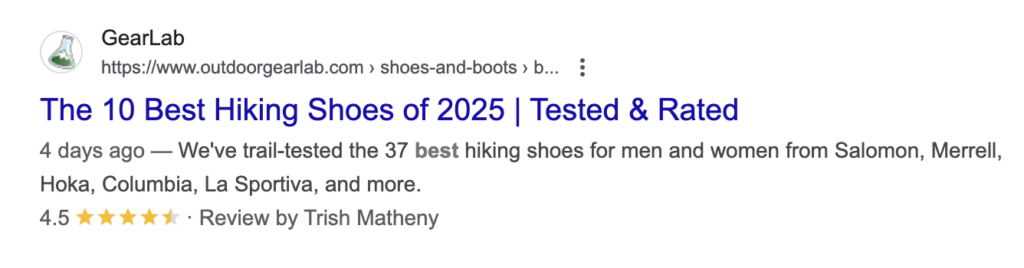
The simplest way to add a meta title and a meta description is by activating a WordPress SEO plugin. It will let you input your content’s metadata directly from the WordPress post editor.
To make your content more enticing to click, follow these best practices:
- Be concise and clear – aim for 50-60 characters for meta titles and 150-160 characters for meta descriptions for optimal display.
- Include the focus keyword naturally – adding the keyword in the metadata signals your content’s relevance for search engines.
- Add a compelling call to action – use phrases like “Learn more,” “Find out,” or “Get started” to invite readers to click the article.
- Reflect the content accurately – misleading metadata can increase your site’s bounce rates, as visitors leave quickly if the content doesn’t match what they expected.
- Make it unique – each page on your affiliate site should have unique metadata to better target specific search queries. This can also avoid duplicate content issues by letting search engines know what exactly the page is about.
- Match the user search intent – users are more likely to click on content that directly answers their query.
- Check the ranking articles on SERPs – content that ranks well on SERPs often follows a similar meta description format, showing what actually works. Therefore, you can consider modeling yours after those of high-ranking articles.
6. Use outreach link-building strategies
A backlink is when another site links to your website, and the process of acquiring them is called link building. The more backlinks you have, especially from reputable websites, the more Google views your site as an authority. This, in turn, increases your chances of ranking higher in search results.
When your content provides real value, other websites are more likely to link to it – so creating helpful content is the key to attracting backlinks.
To invite people to link to your site, you can also try doing link-building strategies:
- Guest blogging – offer to write guest posts on other blogs in your niche. In return, ask for a backlink to your affiliate site.
- Build relationships with other affiliate marketers – engage with other affiliate marketers through social media, forums, or by commenting on their blogs. Building a network can open up opportunities for backlinking through collaborations or mutual content sharing.
- Directory submissions – try listing your affiliate site in trustworthy online directories, but make sure to choose only relevant and high-authority ones. Getting backlinks from low-quality sites may harm your SEO instead.
7. Utilize schema markup
Schema markup is structured data that helps search engines better understand your affiliate content, enabling it to appear more effectively in search results.
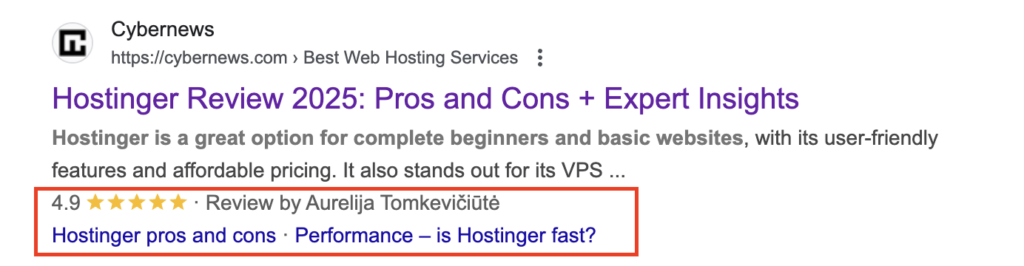
The more precise your content is to search engines, the more likely it is to show rich snippets like star ratings, prices, availability, and table of content. These enhanced search results help your content stand out, which can lead to more clicks.
Expert tip
With structured data, you’re less likely to miss the mark. Once The Candida Diet‘s affiliate partners implemented schema markup on their websites, we saw a 10% organic increase in traffic to our anti-candida diet landing pages. The click-through rate of search results also rose by 8%.

Popular WordPress SEO plugins generally add schema markup to your pages by default. Review your plugin’s documentation and configure its settings to maximize the utilization of structured data.
Additionally, don’t forget to keep your schema updated with current product prices, availability, and reviews to maintain its relevance. You can use Google’s Rich Results Test to ensure it appears in search results as intended.
8. Keep your content fresh
Regularly updating your content to address current trends and user needs will ensure that it is always relevant. This also signals to search engines that your site is active, engaging, and valuable for users.
These are some practical suggestions to ensure your content is always up-to-date:
- Plan when to release new content and audit older ones in advance. This includes blog posts and static content in your site’s About, Contact, or landing pages (if you have any).
- Audit content at least every 6-12 months to identify pages that need to be updated, optimized, deleted, or merged. To maintain consistency, create a schedule that works best for you.
- Collect feedback from visitors’ comments or questions to improve your content’s value.
- Keep yourself posted on the latest trends within your niche and cover them to make your site a go-to resource. However, avoid jumping on trending topics without considering their long-term relevance to your content strategy.
- Repurpose existing content into other formats like videos, inforgraphics, or social media posts to keep your audience engaged without starting from scratch.
- Update titles mentioning the current year when the new year begins. Listing articles with the year in the title helps you quickly spot those needing updates.
9. Optimize your website performance
Good affiliate website performance creates a smoother user experience that keeps your audience engaged. It is also one of the key factors that search engines use to evaluate site quality.
A reliable hosting provider is key to speeding up a WordPress site. Hosting not only stores your website files but also processes and delivers your website data to visitors.
Select a managed hosting plan with tailored configurations to improve your website performance. Our WordPress hosting offers an in-house content delivery network (CDN) service, advanced caching configurations, and LiteSpeed acceleration to optimize speed.
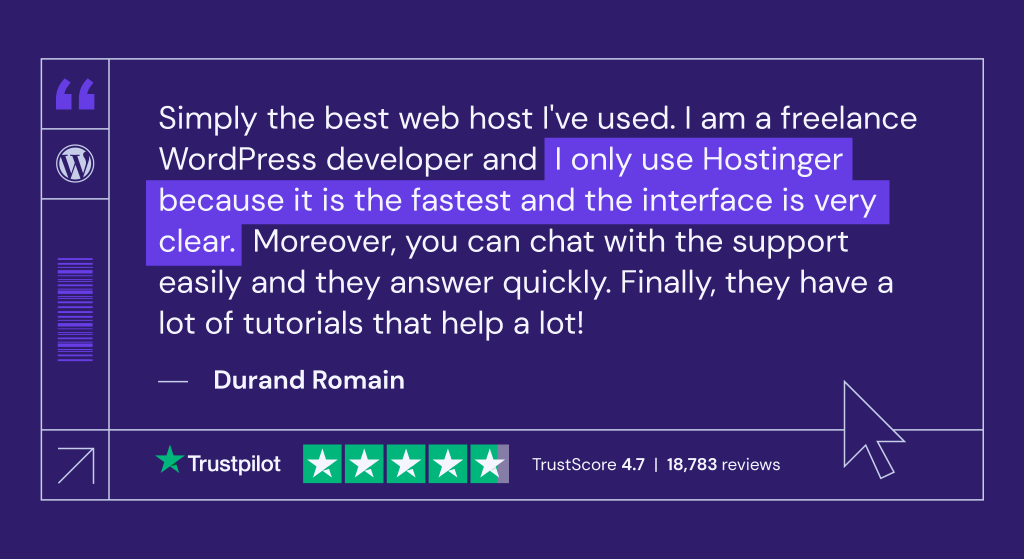
Your website content also significantly affects how fast your site loads. Product visuals heavily influence purchasing decisions, so optimizing images on your affiliate site ensures they load quickly without losing quality.
10. Monitor your content performance
Tracking your content’s performance shows what works and what needs improvement, helping you refine your affiliate marketing SEO strategy.
Some of the key SEO metrics are organic traffic, keyword rankings, click-through rates (CTR), and conversions. These are the tools often used to track and analyze them:
- Google Analytics – a free tool that tracks and analyzes website traffic, providing insights into user behavior, demographics, and how visitors interact with your site.
- Google Search Console – helps monitor and maintain your site’s presence in Google search results, offering data on keyword performance, indexing issues, and search visibility.
- Ahrefs – great for uncovering opportunities to improve rankings and build authority. You can use this tool for keyword research, backlink analysis, and competitor benchmarking.
- AccuRanker – a specialized tool for tracking keyword rankings on search engines, providing real-time updates and detailed insights.
- Screaming Frog – useful for spotting any areas for improvement to your site’s structure and on-page optimization. It scans websites to identify technical issues like broken links, duplicate content, and missing metadata.
- Hotjar – gives insights into user behavior through heatmaps, session recordings, and feedback tools. This way, it’s easier to understand how visitors navigate your site and how you can improve their user experience.
Once you gain insights into your affiliate content’s performance, you can begin implementing improvement strategies.
For instance, if a page ranks well but has a low CTR, review the content, make adjustments, and track its performance. If the changes don’t yield results, try a different way. The more data you collect, the more accurate your site analysis will become.
Common SEO mistakes on affiliate marketing websites
Let’s dive into some SEO mistakes that affiliate marketers often make and how to steer clear of them.
Not optimizing the affiliate site for mobile devices
Over 60% of website traffic comes from mobile devices. Therefore, a mobile-optimized site enhances user experience, encouraging visitors to stay longer and engage more.
Always check how your website works on your phone and identify issues like slow loading or lack of responsiveness. Then, fix the root cause as soon as possible.
To minimize mobile usability issues, make sure that you’re using a responsive WordPress theme.
Not establishing an authority in a niche
Some affiliate marketers promote products without careful consideration, making it harder for search engines and audiences to trust their websites.
Search engines and readers are more likely to trust a site with deep knowledge in a specific area. So, stick to one niche and establish your site as an expert on its topics.
That’s why creating content that addresses multiple search intents in the same niche is important. If your site is about outdoor gear, cover everything from camping tips to hiking term definitions to show your expertise beyond just product reviews.
Expert tip
To make successful SEO strategies, you will need to establish genuine authority through multiple channels.
While improving our client websites’ SEO at Contentellect, we’ve found that combining detailed product expertise with an active social presence creates the kind of multi-dimensional credibility that Google favors.
Affiliate marketers should focus on becoming true category experts rather than just affiliate promoters. When you genuinely understand the product and the user’s needs at a deep level, that expertise will naturally shine through in your content, building real authority that makes your recommendations inherently more valuable.

Creating low-value review listicles
Listicles can attract clicks, but overly salesy or generic ones often fail to engage. They lack genuine value, leaving readers unfulfilled and less likely to buy into product recommendations.
To avoid this mistake, focus on well-researched listicles with actionable advice and unique perspectives. Make sure each item adds value and is backed by solid information.
Check out our guide on writing a great product review to help you build high-value content.
Stuffing keywords
Keyword stuffing (overusing a keyword in content) was once a popular SEO strategy to boost rankings. Now, search engines penalize it, making it harmful to your website’s SEO.
Keyword-stuffed content also makes content uncomfortable to read. For example, repeating “must-have outdoor gear for beginners” multiple times in one paragraph makes the text clunky.
Incorporating keywords in content remains essential for on-page optimization, however, you must integrate them naturally. Search engines also have become more adept at recognizing words with similar meanings, so don’t be afraid to use synonyms and related phrases.
Your main goal should be writing for readers, not search engine crawler bots.
Conclusion
Implementing SEO best practices on your affiliate marketing site is crucial for driving traffic, building credibility, and boosting conversions. While SEO is like a marathon, its compounding effects can amplify the results of your other affiliate marketing efforts over time.
As your site grows, commit to improving your strategies, keeping up with industry trends, and addressing your audience’s needs.
Give SEO your time and effort to start seeing meaningful results. Best of luck on your affiliate marketing journey!
Affiliate marketing SEO FAQ
How does SEO boost affiliate marketing?
SEO boosts your site’s visibility, attracting more visitors who may click on your affiliate links. Additionally, applying SEO best practices helps you build long-term credibility and reduce costs from paid ads.
What are the best SEO tools for affiliate marketers?
Start with the essentials – Google Analytics and Google Search Console. This pair lays the groundwork for tracking traffic, understanding user behavior, and optimizing your site. For a deeper dive, Ahrefs is excellent for comprehensive performance analysis and competitor insights.
How long does it take to get traffic from SEO?
Generally, getting traffic from your SEO efforts takes one to three months. However, numerous factors – including content quality, topical authority, website structure, and user experience – can influence how long it takes to see results, so it depends on the website.

Larassatti Dharma is a content writer with 4+ years of experience in the web hosting industry. She has populated the internet with over 100 YouTube scripts and articles around web hosting, digital marketing, and email marketing. When she's not writing, Laras enjoys solo traveling around the globe or trying new recipes in her kitchen. Follow her on LinkedIn