How to promote affiliate links: 8 effective ways
Sep 26, 2026
/
By Al
/
9 min Read

Promoting affiliate links effectively means placing them in the right content, platforms, and marketing channels so they generate consistent clicks and conversions. Affiliates usually promote links through methods such as blogging, SEO-optimized articles, social media posts, email marketing, YouTube videos, and paid advertising.
Successful affiliate promotion depends on choosing the right traffic sources, creating valuable content around the product, and building trust with your audience. For example, many affiliates drive conversions by publishing product reviews, comparison guides, tutorials, and niche content that naturally includes affiliate recommendations.
In this guide, you’ll learn how to promote affiliate links step by step, including the best platforms to use, proven strategies to increase clicks, and practical tips for turning traffic into affiliate commissions.
1. Embed affiliate links in blog posts
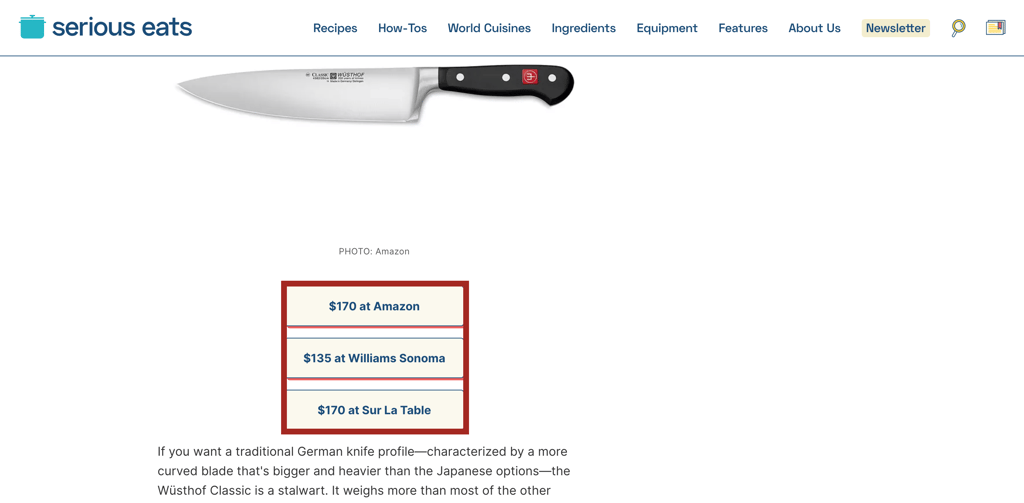
Blogs are one of the most utilized channels for affiliate marketing.
Have you ever read articles on the “Best budget laptops” or “Top fitness trackers”? These are classic examples of blog posts where you can naturally add affiliate links, as readers often click through to explore recommended products.
Here are the most common types of blog posts for adding affiliate links:
- Product reviews. Share your personal experience with a product – what worked and why it’s worth trying.
- Comparison articles. Help readers decide between two or more options. For example, “WordPress vs. Blogger – which one’s better for beginners?”
- Buying guides. Create a list of products tailored to a specific need, such as: “Top 10 must-have kitchen gadgets.”
Whatever it is you’re writing, authenticity is key. Readers can tell when you’re genuinely recommending something rather than just trying to make a sale. Add personal insights so that your readers are more likely to trust your recommendations.
Expert tip
Pro tip: Always disclose the fact that the links are affiliate links. This is a legal requirement in some US states and other parts of the world. On top of that, transparency builds trust and makes your audience feel more comfortable clicking through. A simple note like, “Some links may earn me a commission at no extra cost to you,” does the trick.
To make your affiliate links look more appealing and less clunky, consider link cloaking. It’s a simple way to make your links shorter and more attractive.
These days, creating an affiliate marketing blog is easy. With Hostinger’s Business hosting plan, you can instantly launch an affiliate marketing website with our AI Website Builder for WordPress. It also includes the Hostinger Amazon Affiliate Connector plugin, which comes with pre-made templates to display your product affiliate links.
Want to see the SliceWP setup wizard in action? This video walks through installing the plugin, adding affiliates, configuring link structure, and tracking commissions.



2. Share affiliate links in YouTube videos
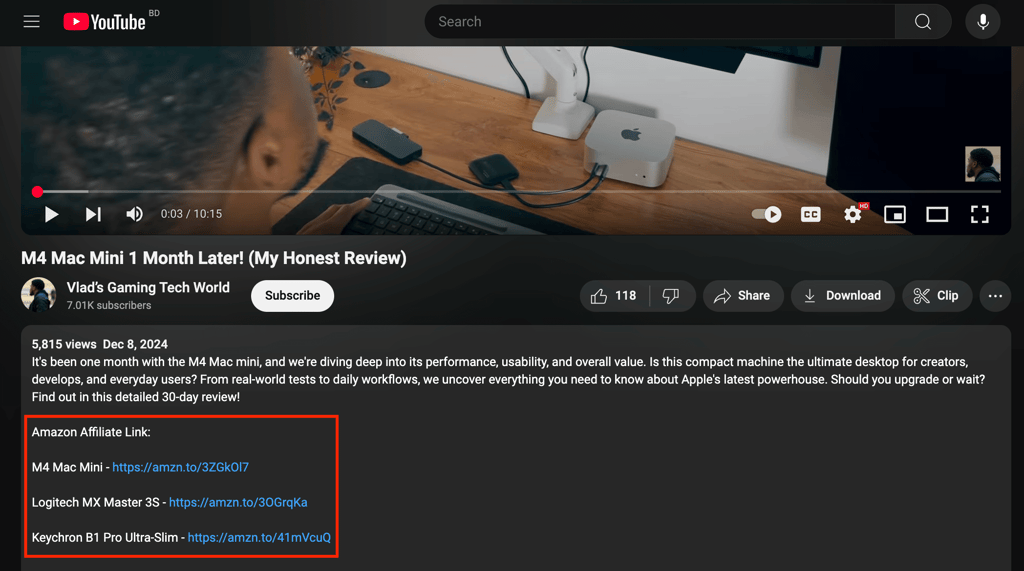
As the second largest search engine, YouTube is a goldmine for promoting affiliate links if you’re a video content creator. In fact, over 35% of viewers said they purchased a product after it was mentioned in a YouTube video.
Here are the types of videos where affiliate links perform well:
- Product reviews. Describe your experience with a product and give reasons why you recommend it.
- Tutorials. Explain to your viewers how a product works and how to use it.
- Hauls and unboxings. Film yourself unboxing new products and share your first impressions.
Add your affiliate link in the video description, but remember that not all viewers read it. So, mention it in the video with a simple line like, “Check the link in the description!” to encourage more clicks.
3. Promote links via podcasts
Podcasts are a brilliant way to connect with your audience and promote affiliate links. Releasing episodes regularly helps you build trust and motivate them to follow your recommendations.
During your episodes, you can casually mention affiliate products and guide your audience to visit specific links. You could also dedicate a segment to reviewing a product relevant to your niche.
Here are examples of what you could write in your script, depending on your niche:
- Fitness podcast. “If you’re looking for great protein powder, I highly recommend [Brand Name]. I’ve linked it in the show notes!”
- Tech podcast. “This week, I tested [Tool Name]. It’s a game-changer for remote work. Link’s in the description if you want to try it.”
- Productivity podcast. “I’ve been using this amazing project management tool lately. It’s made my workflow so much smoother. Check it out at [youraffiliatelink.com].”
4. Share affiliate links on social media
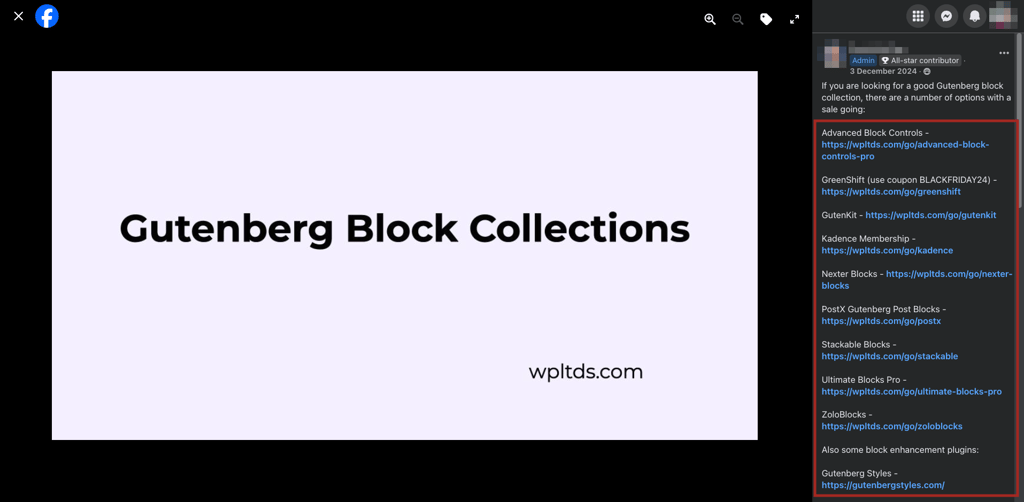
65% of affiliate marketers believe social media is the best way to drive organic traffic. Platforms like Instagram, TikTok, and Facebook allow you to connect directly with your audience and grab their attention.
To promote affiliate links on social media, you can create engaging posts, stories, or videos showcasing the product. Then, add your affiliate link in the captions or the comments. Alternatively, you can add your links in the bio section.
Here are a few examples of what you can do on different social media platforms:
- Instagram. Post a reel demonstrating your products’ use cases and add a caption, such as, “This product is my new favorite! Click the link in my bio to purchase it.”
- TikTok. Create a short, fun video showing a product in action. End with something like, “Check out the link in my profile to grab this for yourself!”
- Facebook. Summarize one of your blog posts and then add a link to the main content so your audience can read it in full. Alternatively, you can add the affiliate link directly to your Facebook posts, stories, or reels.
- YouTube. Post shorts and host live streams to promote the affiliate links in the video description.
5. Include affiliate links in online courses
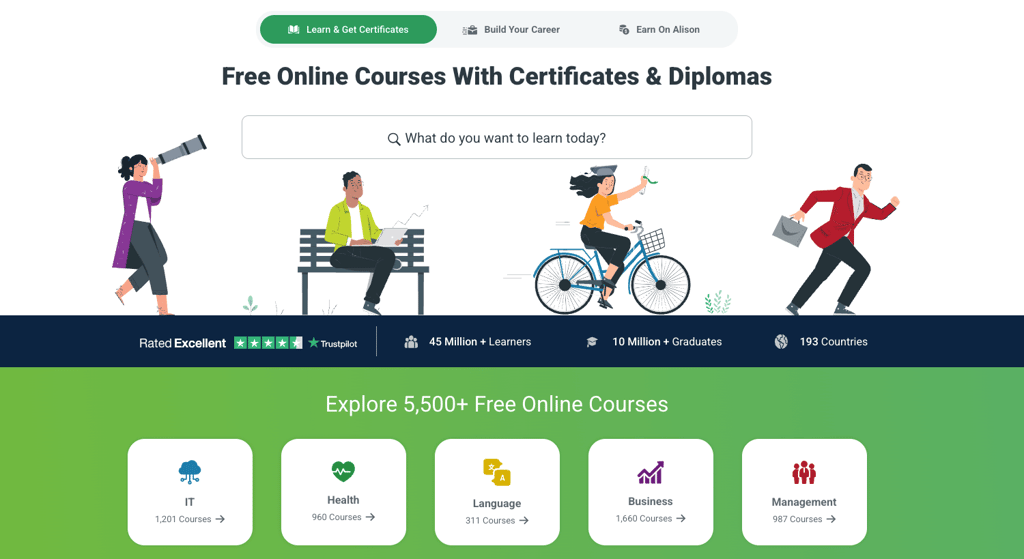
Publishing online courses is an underrated yet powerful way to promote affiliate links. When people sign up for a course, they’re looking for ways to improve their knowledge or skills. This is your golden opportunity to recommend products that can help them achieve their learning goals.
For example, if you’re teaching a photography course, you can recommend your favorite camera gear, editing software, or lighting kits and add their affiliate links in your lesson notes.
Platforms like Udemy and Skillshare make it easy to create and publish online courses. But if you want more control and ownership over them, creating your own e-learning website is the way to go. Whichever option you choose, don’t forget to embed your affiliate links naturally to maximize your clickthroughs.
6. Share affiliate links in online forums
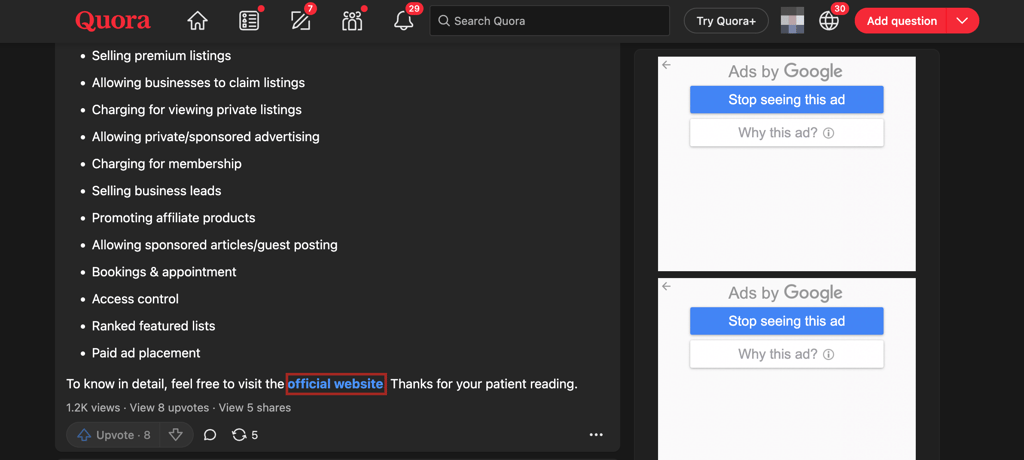
Online forums like Quora and Reddit are excellent for promoting affiliate links. People actively seek advice, solutions, and recommendations from these platforms. However, it’s important to build trust first before you can naturally promote your affiliate products.
Here are some tips to succeed on online forums:
- Be helpful first. Your primary focus should be answering a question or solving a problem. Avoid overly promotional language that may not resonate with the audience. Some forums like Reddit might even ban your account for it.
- Add unique value. Share your personal experience, tips, or in-depth comparisons to make your response stand out.
- Respect the rules. Some forums have strict link-sharing guidelines. Always check the community rules before posting them.
For example, on Quora, someone might ask about the best budget cameras for beginners. You could reply with a list of your top picks and drop a link to a detailed article on your affiliate website.
7. Send your affiliate links through newsletters
Email marketing through newsletters is a fantastic way to connect directly with your audience and promote affiliate links. This way, you’re reaching people who already trust you and want to hear from you, making them more likely to engage with your recommendations.
In fact, affiliate marketers who do email marketing can get 66.4% more conversions than those who don’t.
Start by using lead magnets like free ebooks, checklists, or other exclusive content to encourage people to sign up for your email list. For instance, if your niche is travel, you can offer a “Free packing checklist for an overseas trip.”
Hostinger Reach makes this process incredibly simple with AI-powered email creation. Instead of starting from scratch each time, just describe your newsletter goal – like “write a promotional email about a sale [your offer]” – and Reach creates professional, engaging content automatically. The platform handles everything from compelling subject lines to mobile-friendly layouts, so you can focus on choosing the right affiliate products rather than wrestling with email design.
Once you’ve built your email list, you can promote affiliate products in your newsletters. Here are a few ideas:
- Highlight a product of the week. Share your positive experience with a product and include an affiliate link. For example, “This planner has completely transformed my productivity! Here’s where you can grab it: [affiliate link].”
- Curated resource lists. Include a section like “My favorite products” with links to affiliate products relevant to your niche.
- Exclusive deals. Share affiliate-exclusive discounts or promotions. For instance, “Get 20% off your first purchase of [Product Name] using this link: [affiliate link].”
Expert tip
Pro tip: Make your newsletters more personal by addressing readers by their first name. Tell a story to connect with readers and explain why you genuinely recommend a product. For example, instead of just saying, “Buy this blender,” describe how you’ve used it to whip up quick, healthy breakfasts.
8. Use paid advertising
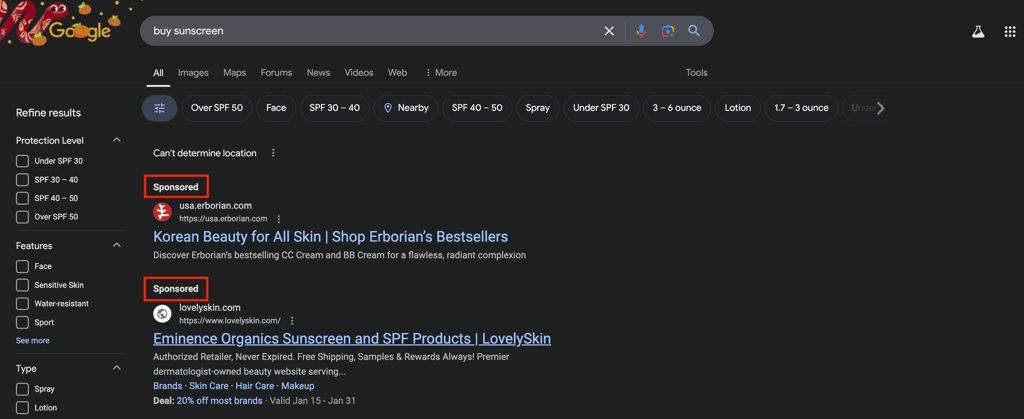
Did you know that many top affiliate marketers see an average return on ad spend (ROAS) of 12:1? This proves that pay-per-click (PPC) or paid traffic can help you get ahead of your competitors.
If you already have content such as social media posts, blog posts, videos, or podcasts, you can leverage Google Ads, YouTube Ads, or Meta Ads to make sure they are seen by the right audience based on their interests, behavior, and demographics.
For example, if you’re promoting fitness gear, you can run ads on Instagram targeting people who follow fitness influencers or engage with workout content. Your ad could feature a compelling video showing the product in use, with a call to action persuading people to click on your affiliate link.
Expert tip
Pro tip: Always track your ad performance. Use the ad platform's analytics feature to monitor clicks, conversions, and return on investment (ROI). This will help you optimize your campaigns for better results.
While paid advertising involves upfront costs, it can deliver high returns as long as you remain focused on targeting the right audience, crafting compelling ad copy, and creating high-quality content.
How affiliate links work
Affiliate links are a core component of affiliate marketing, where businesses reward individuals or publishers (affiliates) for driving traffic or sales. These links track conversions and ensure that affiliates earn commissions for successful referrals.
1. Understanding affiliate links
Affiliate links are unique URLs containing a tracking code assigned to each affiliate. When a user clicks the link and completes a desired action (purchase, sign-up, etc.), the affiliate earns a commission.
Example of an affiliate link:
A standard affiliate link looks something like this:
https://example.com/product?ref=affiliateID
Here’s how it works:
- https://example.com/product → This is the product page.
- ?ref=affiliateID → This parameter identifies the affiliate who referred the user.
Some advanced tracking systems may use UTM parameters or sub-IDs, such as:
https://example.com/product?utm_source=affiliate&utm_medium=referral&utm_campaign=affiliateID
2. How tracking works
Affiliate tracking primarily relies on cookies, which store information about the user’s visit. When someone clicks an affiliate link, a cookie is placed in their browser with details such as:
- Affiliate ID – to attribute the referral.
- Click timestamp – to determine the cookie duration.
- Referring website – to track traffic sources.
Example: If an affiliate promotes WordPress hosting like Hostinger, their affiliate link may track users who visit a Hostinger landing page and buy within a set period.
3. Cookie duration and attribution models
Each affiliate program has a specific cookie duration (e.g., 30, 60, or 90 days). If the referred user purchases within this timeframe, the affiliate gets a commission.
Types of commission attribution:
- Last-click attribution. The last affiliate who referred the customer earns the commission.
- First-click attribution. The first referrer earns the commission.
- Multi-touch attribution. Commissions are split among multiple affiliates based on engagement.
Example: If a user clicks an affiliate link today but buys a WordPress theme from a theme company after two weeks, the affiliate still earns a commission if the cookie is active.
4. Commission structures
Affiliate programs offer different commission models:
a) Pay-per-sale (PPS)
Affiliates earn a percentage of the total sale amount.
Example: A WordPress theme costs $49, and the affiliate earns 30% ($14.70) per sale.
b) Pay-per-lead (PPL)
Affiliates earn a fixed amount when a user signs up or completes an action.
Example: A travel booking platform pays $5 for every free trial sign-up via an affiliate link.
c) Recurring commissions
Affiliates receive commissions for ongoing subscriptions.
Example: A SaaS tool charges $20/month, and the affiliate gets 10% ($2/month) as long as the user remains subscribed.
5. How affiliates get paid
Most programs set a minimum payout threshold before releasing earnings. Payments are typically made via:
- PayPal
- Bank transfer
- Cryptocurrency (for some programs)
- Affiliate network payouts (like ShareASale, CJ, or Impact)
Example: If an affiliate earns $200 in a month and the program has a $100 payout threshold, they receive the payment via PayPal.
6. Real-world example: Amazon Associates
Amazon’s affiliate program provides links for affiliates to promote products. If someone clicks an Amazon affiliate link and buys within 24 hours, the affiliate earns a commission on all items purchased, not just the promoted one.
Example: An affiliate shares a book link, but the visitor ends up buying a laptop. The affiliate still earns a commission on the laptop sale!
Conclusion
You need to administer a strategic approach to promote your affiliate links and get the desired clicks and conversions.
In this article, we have outlined eight proven, actionable methods to promote your affiliate links. They are:
- Embed affiliate links in your blog posts.
- Share them in your YouTube videos.
- Promote via podcasts.
- Utilize your social media platforms.
- Integrate them into online courses.
- Share in online forums.
- Send them through newsletters.
- Use paid advertising.
Each method targets different platforms, allowing you to choose the best approach for your audience. As an affiliate marketer, you must also focus on transparency and trust-building through disclosure.
By implementing these strategies, you can drive traffic, boost earnings, and maintain a positive relationship with your audience.
The key takeaways of this article include creating valuable content, optimizing for SEO, and using paid ads to maximize affiliate link performance.
How to promote affiliate links FAQ
How do I drive traffic to my affiliate links?
Create high-value content through blog posts, videos, podcasts, or online courses tailored to your target audience. Optimize for SEO, and use strategies like email marketing and paid ads to reach a broader audience.
Where should I post my affiliate link?
It depends on which platform you’re promoting your affiliate links on. Popular options include blog posts, YouTube video descriptions, social media captions, and newsletters. Always ensure the placement is relevant and natural to maintain audience trust.
What is the best platform to promote affiliate links?
The best platform on which to promote affiliate links depends on your niche, your audience’s preferences, and where they’re most active. For example, if you’re in the beauty niche, visual-heavy platforms like Instagram and TikTok will likely be the most effective.
This article is a localized version of How to promote affiliate links: 8 effective ways, originally published in English.

Al Suzaud Dowla makes tech easy to understand, helping people solve software and website issues without the headache - or a call to tech support! Follow him on LinkedIn.