What is product branding: examples and how to build it
Jun 11, 2026
/
By Nurul S. & Simon L.
/
8 min Read

Product branding is the process of developing a unique identity for your product. The goal is to reach the target consumer effectively and leave a lasting impression. Ultimately, this leads to increased sales and customer loyalty.
While corporate branding shapes the company’s overall image and reputation, product branding focuses on individual products. Corporate branding reflects the company’s values, mission, and culture across all platforms. Both are crucial for a successful branding strategy.
Product branding is key to a business’s success. A strong brand builds trust, attracts customers, and sets your product apart in a competitive market.
This article covers the essentials of product branding, showcases successful examples, and provides actionable steps to create a brand that stands out.
The importance of product branding
Understanding the impact of product branding can transform how you approach your market. Here’s why building a strong product brand is essential for your business:
- Builds customer loyalty. Product branding fosters familiarity and trust, encouraging repeat purchases and long-term relationships.
- Supports premium pricing. Strong product branding can justify higher prices by emphasizing unique value and quality.
- Improves recognition. Consistent product branding elements help customers recognize and remember your product.
- Increases market trust. A reliable brand image builds trust, making customers more likely to choose your product over unknown alternatives.
- Boosts marketing strategies. Strong product branding is aligned with all marketing efforts, making campaigns more cohesive and impactful.
Key elements of successful product branding
Building a solid product brand involves several key elements. These elements create a memorable brand identity and communicate your product’s value.
Brand name and tagline
A brand name is often the first point of contact a customer has with your product. It also helps make your product recognizable. Similarly, a tagline is a brief phrase that captures a brand’s essence and message, making it easy to remember.
Brand voice and messaging
Brand voice is the unique personality a brand conveys through words, tone, and style. It shapes customer perceptions and sets the brand apart from competitors. A consistent brand voice reinforces identity, making it more impactful to the audience.
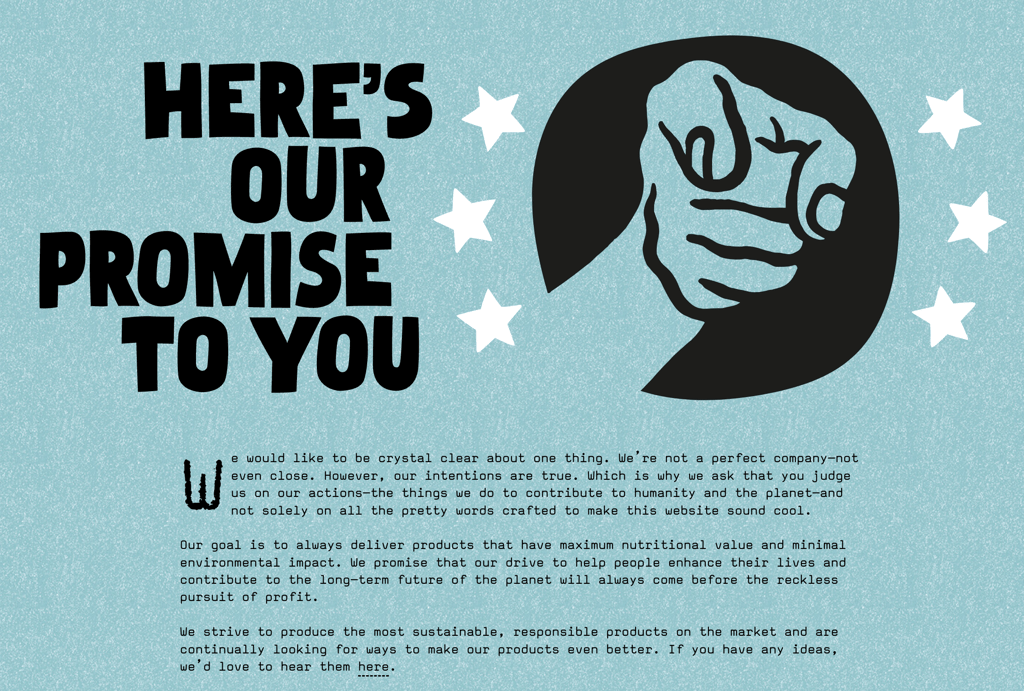
For example, Oatly uses a bold and witty voice that communicates its commitment to sustainability on its website, packaging, and social media.
Logo design
A logo represents your product branding through shapes, symbols, and colors. A well-designed logo helps support your brand name, tagline, and message.
Here are two popular logo design types:
- Typeface logos. These logos use stylized text of the brand name, like Coca-Cola or FedEx. They’re straightforward and easily recognizable through typography.
- Icon logos. These logos represent the brand using symbols or icons, like Target’s bullseye or Adidas’ three stripes. Icons are versatile and often become strongly associated with the brand, making them instantly recognizable.
Brand colors
Brand colors play a big role in establishing a strong visual identity. Choosing the right colors helps create emotional connections between your brand and your audience.
Choose colors that align with your product branding and its values. Use color psychology to build the right emotions. Some examples are blue for trust (LinkedIn), green for growth and health (Whole Foods), and red for energy and excitement (Coca-Cola).
Make your brand colors consistent with your logo and overall brand identity to maintain a cohesive look.
Packaging design
Packaging design includes everything from the materials, color, shapes, graphics, and text on the packaging. Good product packaging design creates a positive first impression, attracts customers, and effectively conveys the brand’s values.
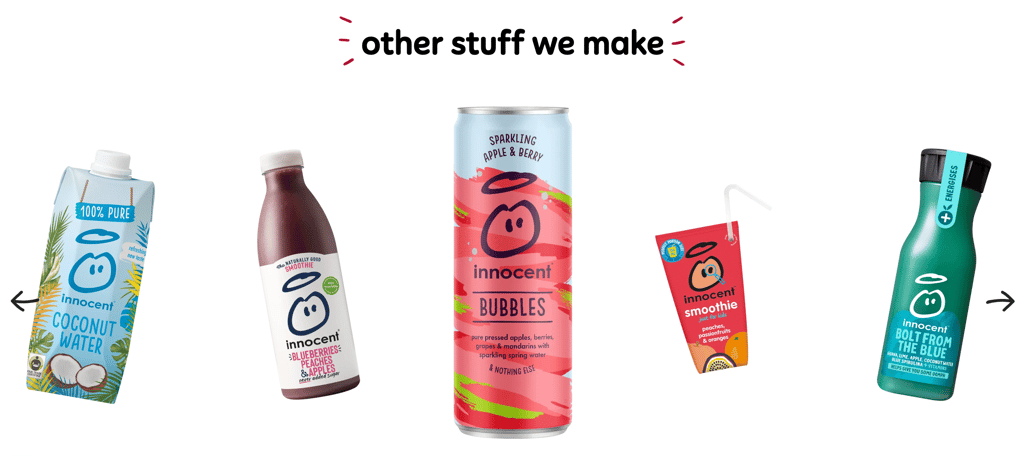
Focus on packaging that reflects your overall brand strategy. For instance, Lush uses minimal, eco-friendly packaging that aligns with its sustainable values, while Innocent Drinks employs simple, straightforward designs emphasizing freshness and health.
Visual style and imagery
Visual style and imagery encompass a brand’s visual elements, such as photos, graphics, and icons. They help convey a brand’s personality and message to its audience.
To create a unified brand identity, ensure consistency with your brand colors and logo. Use high-quality images and graphics that capture the essence of your brand’s message.
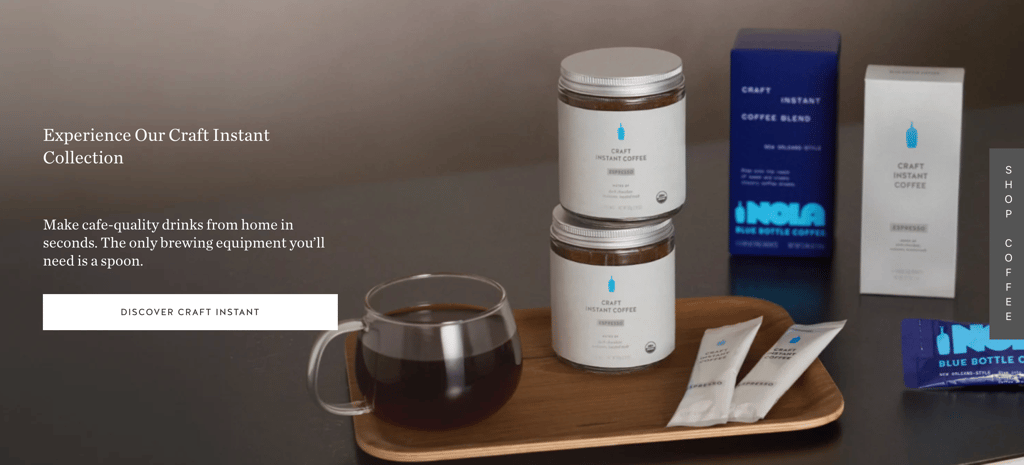
For example, Blue Bottle Coffee uses clean, minimalist imagery and natural tones focusing on quality, craftsmanship, and a modern coffee experience.
Examples of strong product branding
Let’s explore five great examples created with Hostinger Website Builder that showcase strong product branding.
1. Manic Cherry
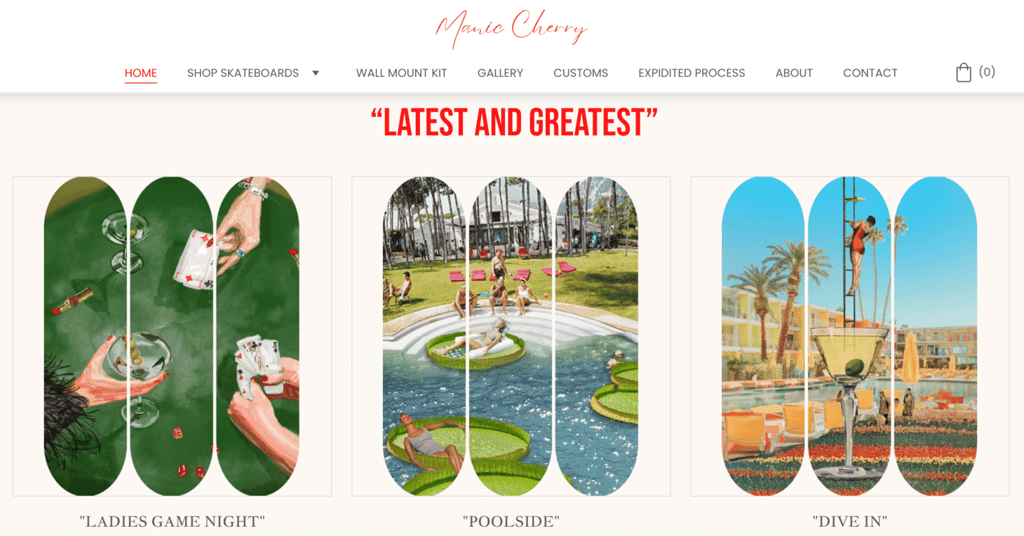
Manic Cherry creates unique skateboard wall art that emphasizes creativity and self-expression. Their brand is built on eye-catching visuals and targeted messaging, catching attention and potentially building loyalty.
Here’s how Manic Cherry successfully established strong product branding:
- Unique visuals. Manic Cherry’s branding uses vibrant colors and playful designs, creating a visually striking product branding. This eye-catching approach is consistent throughout their website, helping keep visitors engaged.
- Targeted messaging. By focusing on creativity and personal expression, Manic Cherry’s brand messaging speaks directly to its main audience. This makes customers feel understood and creates a sense of loyalty to the brand.
2. MentorHer Africa

MentorHer Africa is a program dedicated to empowering young women in cybersecurity through mentorship and practical training. It excels in product branding through consistent communication that reflects its values and a distinct visual identity.
Here’s what stands out about MentorHer Africa’s brand:
- Uniform brand voice. The company branding is all about supporting women in cybersecurity. This clear focus is consistent in all their communication, which creates a strong emotional connection to the brand.
- Distinctive visual identity. MentorHer Africa has a distinct logo that represents its mission. The logo is visually appealing and memorable, helping it stand out and draw attention to its mission.
3. LoopyCustoms
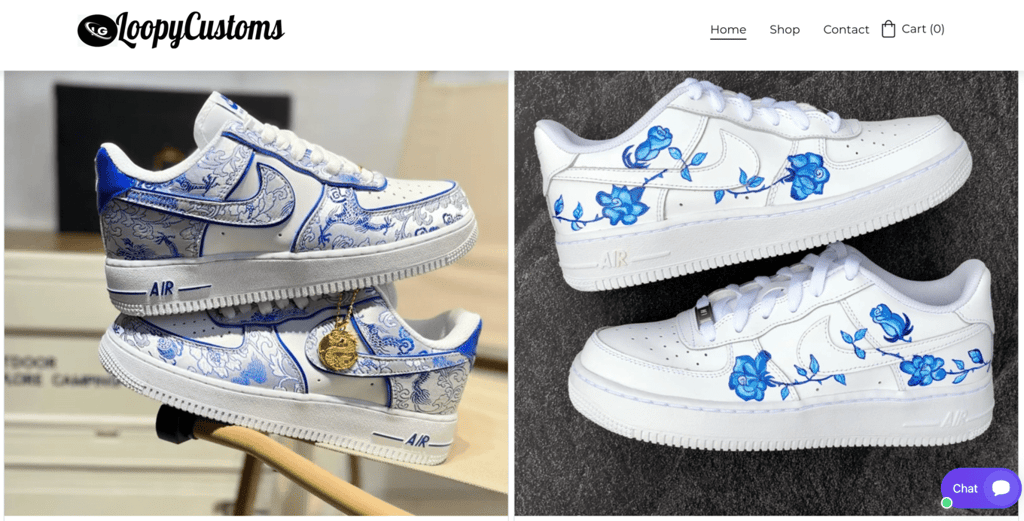
LoopyCustoms specializes in creating custom-designed sneakers. Its memorable brand name and innovative designs help it stand out and resonate with its customers.
Here’s how LoopyCustoms achieves exceptional product branding:
- Standout brand name. This brand identity is all about being playful and creative. The name reflects this and establishes the tone of the product’s brand.
- Memorable designs. The company strongly emphasizes creating unique, imaginative designs. This ensures that each product represents the brand’s identity and connects emotionally with its audience.
4. Formula Fitness India

Formula Fitness India is a health and fitness company that helps individuals achieve their fitness goals and lead healthier lifestyles. Their branding stands out due to its color scheme and visually consistent style.
Here’s what we like about Formula Fitness India’s branding:
- Cohesive color scheme. The brand features a vibrant green, which is energizing and stands out. This color is consistently used in their logo, website, and marketing materials. It creates a strong visual identity that is easily recognizable and memorable.
- Consistent visual style. The brand identity is clean, modern, and minimalist, focusing on high-quality imagery. This consistent approach builds trust and establishes itself as a reliable brand.
5. Wild Slope Bikes
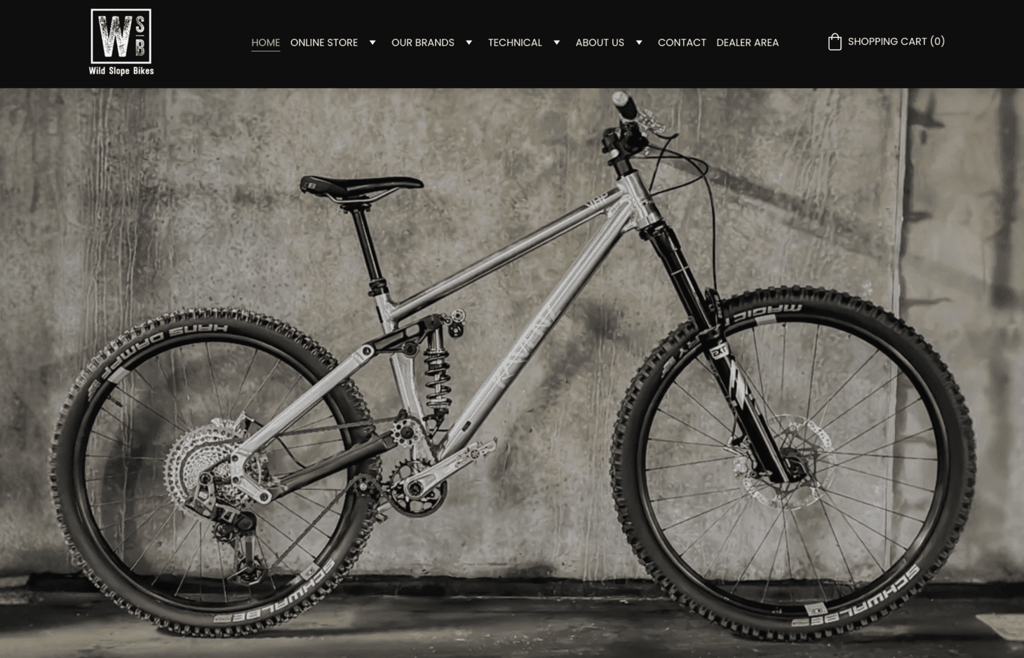
Wild Slope Bikes is a Norwegian bike company that offers high-performance mountain bike frames, complete bikes, and custom builds. The business excels in product branding through its high-quality product images and distinctive brand voice.
Here’s what Wild Slope Bikes does well:
- High-quality imagery. The website has photos showcasing the sleek designs and details of the bike frames and components. These images reflect quality and durability that appeal to their target audience.
- Distinctive brand voice. The company’s brand voice is confident and knowledgeable, showing a deep passion for mountain biking. This is evident in their detailed descriptions, which inform and inspire customers.
Like the other examples highlighted here, Wild Slope Bikes created its website using Hostinger Website Builder. To showcase your brand, learn how to make your own online store with our guide.

How to build a product branding strategy
After exploring real-life examples of successful product branding, it’s time to focus on how you can apply these principles. Let’s dive into the steps to build a compelling product branding strategy for your own product.
1. Identify your target audience
Your target audience is the group most likely to purchase your product. Understanding your audience helps create stronger connections, builds loyalty, and drives sales.
To find your audience, conduct thorough market research to identify customer groups that match your product. Analyze the market and competitors to see who they target and identify any gaps.
Use tools like Google Trends and social media analytics to spot trends and opportunities. Focus on customer groups that align with your product’s unique value.
Next, collect data on their demographics, interests, and behaviors. Use Google Analytics, social media insights, and surveys to gather information on age, location, interests, and buying behavior.
Identify patterns to understand which groups will most likely engage with your product. This data helps you tailor marketing strategies that speak directly to their needs.
Additionally, look for untapped groups that align with your brand’s message. For example, Rihanna’s Fenty Beauty focuses on inclusivity, particularly for Black women and women of color, who the beauty industry often overlooks.
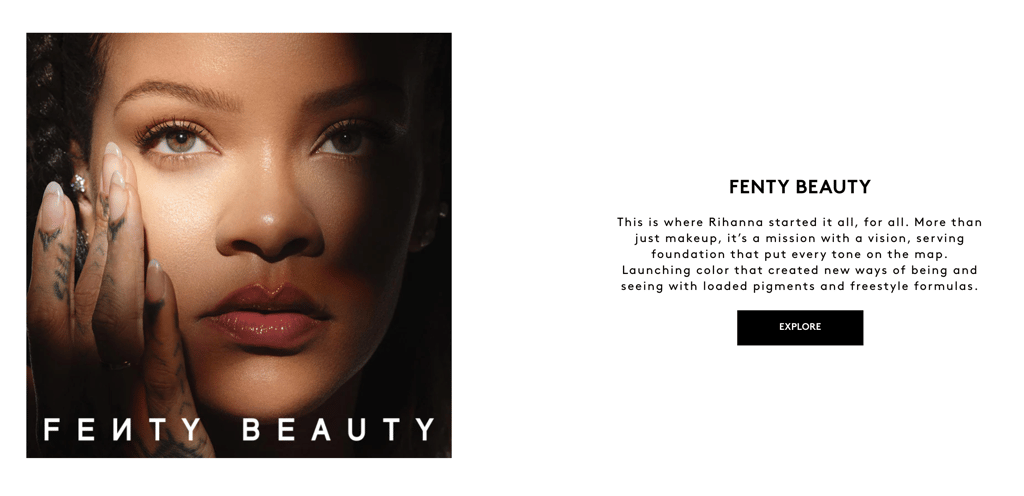
The brand’s “Beauty for all” message resonates with this group, building a loyal customer base who feel represented through a wide range of makeup shades and hair products.
2. Establish a unique position in the market
Establish a unique position that differentiates your product from others to stand out in a competitive market. This is where the unique selling proposition (USP) comes into play.
A USP is a clear statement that highlights the primary benefit of your product and illustrates why it stands out as the best option for customers. It must address the question: Why should customers select this product instead of the competition?
For a coffee brand targeting eco-friendly consumers, the USP could be: “Organic coffee sourced from sustainable farms, supporting both the environment and local communities.” This USP connects with the audience’s values and clearly shows what makes the product different.
To find your USP, identify what your customers value most. This could include quality, price, or convenience. Your initial market research and customer analysis will help you determine what is most important to your target audience.
After that, find market gaps where your product stands out.
3. Craft a compelling message
Your brand message is the core idea you want people to remember about your product. It ties directly to your brand’s voice and how you communicate with your audience. The message should clearly show the value of your product and what it promises to deliver.
When your message speaks to what customers value, it helps build customer loyalty. Keeping your message consistent across all platforms makes it easier for people to remember and recognize your brand.
Here are the tips to help you craft a compelling brand message:
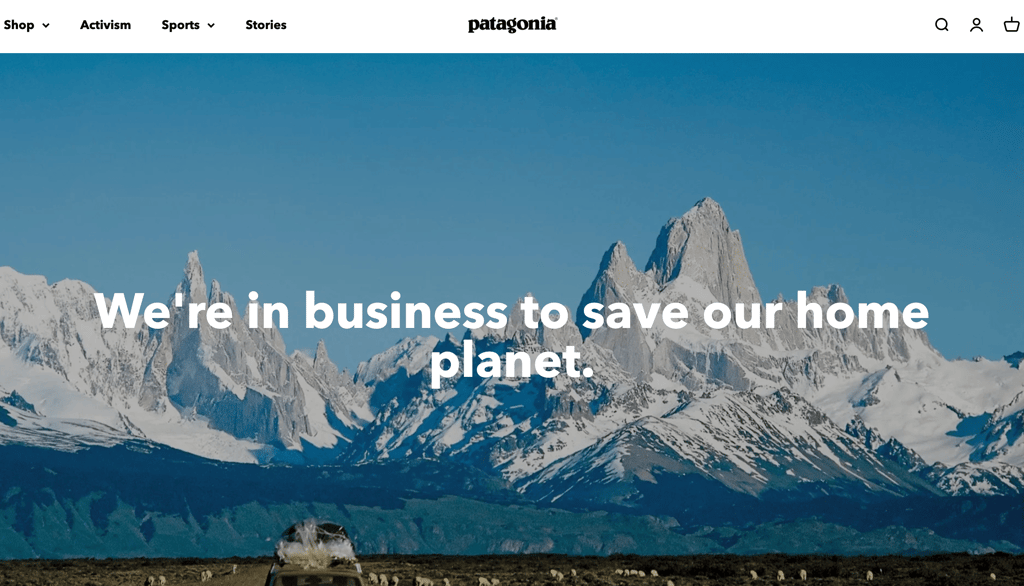
- Show what sets you apart. Focus on what makes your product unique. Patagonia’s message, “We’re in business to save our home planet,” clearly states its focus on sustainability and appeals to eco-conscious customers.
- Use your brand voice. Make sure your message aligns with your brand’s tone. Nike’s “Just do it” is direct and motivational, matching their energetic and empowering identity.
- Address customer needs. Connect with what matters to your customers. Coca-Cola’s “Taste the feeling” focuses on creating joyful moments, resonating emotionally with their audience.
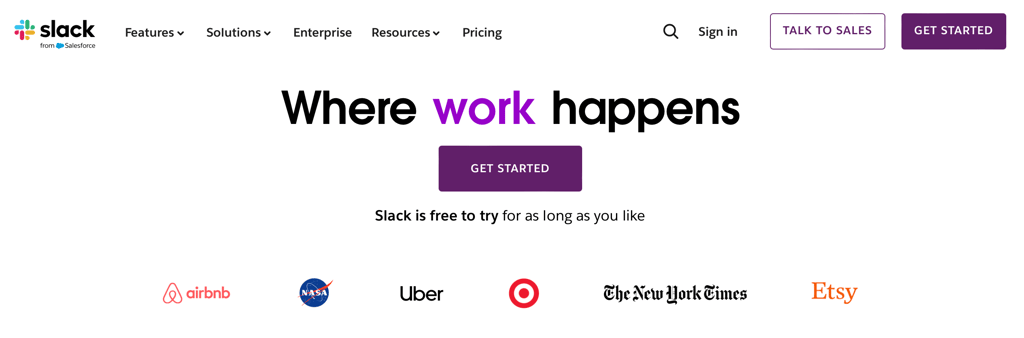
- Keep it clear and catchy. Use simple, concise language that sticks. Slack’s “Where work happens” is short and tells customers exactly what the product does – improving team productivity.
4. Develop an engaging visual identity
A strong visual identity makes your product recognizable and memorable, leaving a lasting impression on your audience. To create a cohesive visual identity, consider using beginner-friendly tools that simplify the design process:
- Canva. Offers various templates for making logos, social media graphics, marketing materials, and more. It’s perfect for beginners who want to keep their brand’s visuals consistent without needing advanced design skills.
- Adobe Express. Streamlines design with user-friendly tools for graphics and branding. It also offers brand management features, allowing you to save your brand colors, logos, and fonts for consistent use across all designs.
- Hostinger Website Builder. Its intuitive drag-and-drop editor lets you customize every aspect of your site’s design, ensuring it consistently reflects your brand. For more help, check out this tutorial on creating an eCommerce website.
5. Be consistent everywhere
Consistency is the final step in building a solid product branding strategy. Ensure your logo, colors, fonts, images, and brand voice are consistent across all platforms. Here are some actionable tips for maintaining consistency:
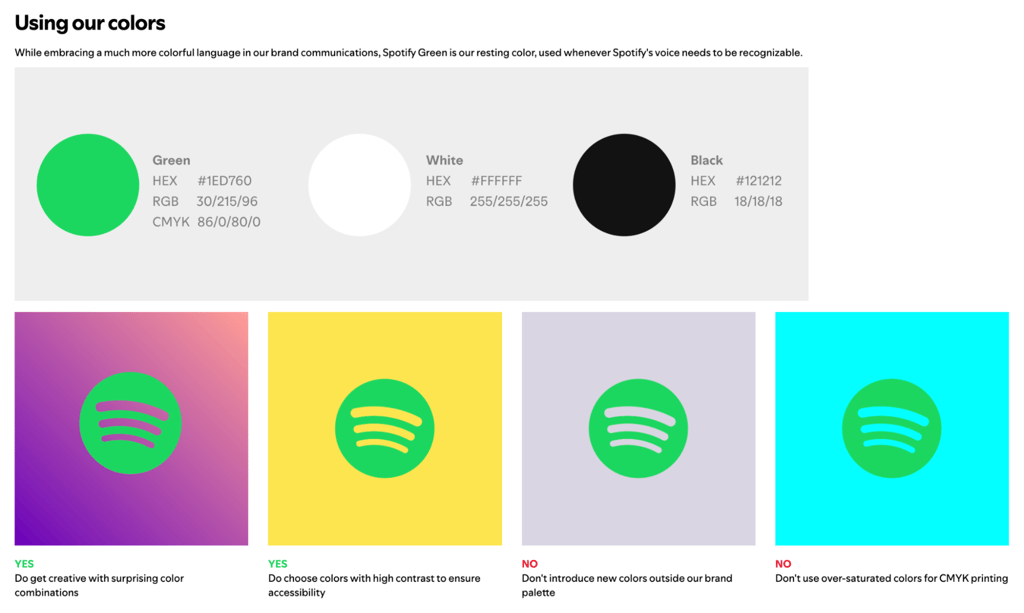
- Create a brand style guide. Document all branding elements, including logo usage, color codes, fonts, image style, and tone of voice. If you have a team, share this guide with them to ensure they follow the guidelines. Check out Spotify’s brand guidelines as an example.
- Use templates. Develop templates for social media posts, emails, presentations, and packaging to maintain a consistent look and feel.
- Audit brand touchpoints regularly. Regularly review your website, social media, printed materials, and other customer-facing platforms to ensure consistent branding.
When updating product branding, make sure you’re doing it for the right reasons. Valid reasons for rebranding include stagnant or declining sales, an outdated design, or negative customer feedback.
It’s also important to consider the impact of branding on your target audience. Make sure that any changes align with their preferences and expectations. Before making any significant changes, survey your customers and gather feedback.
Conclusion
Product branding is about creating a unique identity for your product that resonates with your target audience, sets it apart in the market, and builds lasting relationships.
Throughout this article, we’ve explored several examples of effective product branding, such as Manic Cherry, MentorHer Africa, and Loopy Customs. These brands have successfully implemented key branding elements to create a strong and recognizable product identity.
To build a successful product branding strategy, start by identifying your target audience and defining a strong USP. Develop a clear, compelling brand message, establish a distinct visual identity, and ensure consistency across all platforms.
By following these steps, you can develop product branding that stands out and resonates deeply with your customers. Stay true to your brand values and deliver a consistent brand experience to drive growth and long-term success.
Product branding FAQ
How does product branding impact consumer behavior?
A strong and clearly defined product brand motivates consumers’ purchasing decisions, leading to both initial and repeat sales.
What role does product branding play in building brand loyalty?
For brand loyalty, product branding creates a consistent experience and emotional connection that keeps customers engaged. Customers who trust a brand’s values and quality stick around, choosing it repeatedly over competitors.
Can small businesses benefit from investing in product branding?
Absolutely! Product branding is a game-changer for all businesses, no matter the size. It sets you apart, builds trust, and attracts customers who resonate with your story. A strong brand can turn a small business into a memorable favorite, driving growth and loyalty.
This article is a localized version of What is product branding: examples and how to build it, originally published in English.

Nurul Siregar has over 3+ years of experience in the tech industry with a passion for writing about digital marketing. Nurul enjoys reading fiction novels and making digital illustration in her free time. Follow her on LinkedIn.

Simon is a dynamic Content Writer who loves helping people transform their creative ideas into thriving businesses. With extensive marketing experience, he constantly strives to connect the right message with the right audience. In his spare time, Simon enjoys long runs, nurturing his chilli plants, and hiking through forests. Follow him on LinkedIn.