What is ecommerce? A complete guide to selling online
May 20, 2026
/
Jordana A.
/
7 min Read
Ecommerce is the process of buying and selling goods or services over the internet. Instead of a physical store, businesses and individuals reach customers through websites, apps, or online marketplaces. It’s a straightforward process: a customer visits a site, finds something they like, adds it to their cart, and checks out using a secure payment system.
There are various ways to sell online, such as creating your own store with tools like WooCommerce or Magento or joining established marketplaces like Amazon or Mercado Libre. These platforms help you list products, track inventory, accept payments, and manage orders easily.
One of the biggest advantages of ecommerce is flexibility. You can run your store 24/7, reach customers around the world, and avoid many costs that come with physical shops. Plus, thanks to user-friendly website builders, even beginners with no coding experience can launch a professional-looking online store.
How does ecommerce work?
To start an online store, a few key pieces need to work together: an online storefront, secure payment processing, and a reliable order fulfillment system. These parts create a smooth experience for both customers and businesses, from discovering a product to its delivery.
Here’s a simple breakdown of how an ecommerce transaction usually works:
- A customer places an order. They visit an online store or marketplace to browse products. After finding something they like, the customer adds it to a digital shopping cart and heads to the checkout page. There, they confirm the order and provide shipping details.
- The payment is processed. After the order is placed, the payment gateway securely processes the customer’s payment information. The payment is then verified and transferred from the customer’s account to the merchant’s.
- The merchant receives and processes the order. After payment goes through, the order details are sent to the merchant. The business then prepares the product for shipping, which may include picking it from a warehouse, packing it, and printing a shipping label.
- The order is fulfilled and shipped. The package is handed off to a shipping carrier. Customers usually receive a tracking number so they can follow their order. The process is complete when the item arrives at their doorstep.
What are the types of ecommerce business models?
Ecommerce businesses can take many forms depending on who’s buying and who’s selling. Consequently, there are different types of ecommerce business models, each with its own unique characteristics.
Here are the most common types, starting with the one you’re likely most familiar with:
- Business-to-consumer (B2C). A business sells products or services directly to customers, like fashion brands selling clothing on their websites.
- Business-to-business (B2B). One business sells to another. For example, a software company selling tools to a marketing agency or a supplier providing materials to a manufacturer. These transactions usually involve larger orders and longer sales cycles than B2C.
- Consumer-to-consumer (C2C). Individuals sell to each other through third-party platforms like eBay or Facebook Marketplace. These platforms act as a middleman to facilitate the transaction.
- Consumer-to-business (C2B). Individuals sell goods or services to businesses. Common examples include freelancers, photographers, or influencers working with brands.
- Business-to-administration (B2A). Businesses sell products or services to public institutions, like a company supplying software to a government agency.
- Consumer-to-administration (C2A). Individuals interact with government services online. This includes paying taxes, registering for healthcare, or signing up for public university courses through official portals.
Did you know?
Dropshipping, wholesaling, and white labeling are types of ecommerce by revenue model. The difference is in how products are sourced and delivered.
What types of ecommerce platforms are available?
Ecommerce platforms let you list products, accept payments, and manage your day-to-day operations. The choice of platform impacts your site’s appearance, functionality, and ease of maintenance, so it’s worth comparing your options before making a decision.
Let’s explore the three most popular ecommerce platforms:
Websites
A website can be a powerful ecommerce platform with the right tools to sell products or services online. At a minimum, it should let you display products with descriptions and prices, add items to a shopping cart, and process payments securely.
There should also be an order management system to track sales, handle shipping, and manage returns. A secure payment gateway protects customer data during transactions, while customer accounts make shopping easier by saving details and order history for future visits.
Different ecommerce platforms offer these features and more to better suit specific niches or audiences.
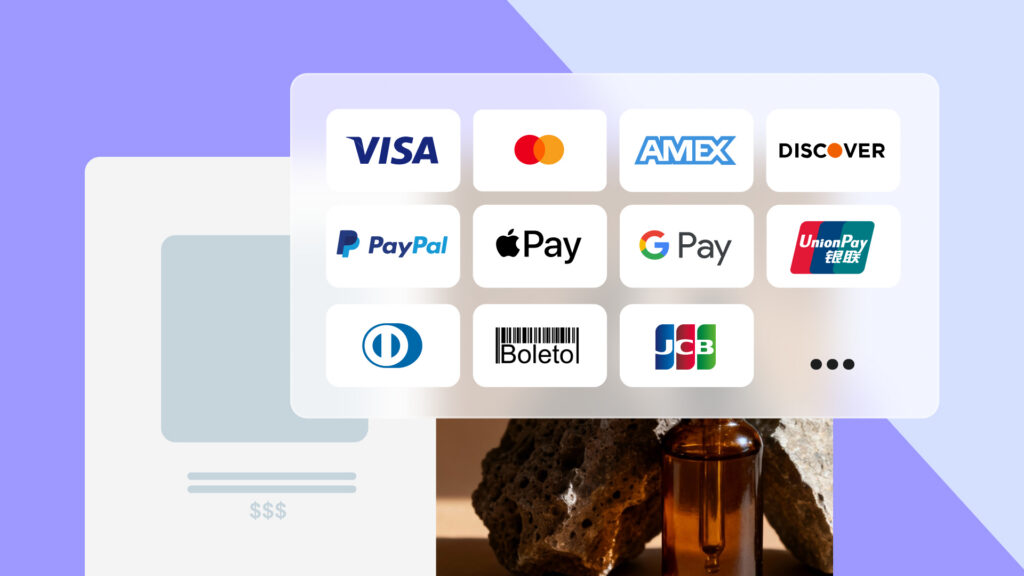
Hostinger’s website builder, for example, is perfect for beginners and professionals who want to launch an online store quickly. The Business plan includes built-in AI tools, support for 100+ payment methods, and five email addresses per site for just CA$ 5.59/month.
Manic Cherry uses this ecommerce platform to sell premium skateboard art. With Hostinger Website Builder, they’ve set up an efficient online store and now take orders worldwide.

Key benefits of using a website for ecommerce:
- Full control. You decide how your store looks and runs, from branding and layout to customer data management.
- Wider reach. With a website, you can sell to anyone, anywhere with internet access.
- Data and analytics. Track customer behavior, purchases, and frequency to identify trends and opportunities.
- Lower costs. Running a website is cheaper than managing a physical store, saving on rent, staff, and overhead. Many ecommerce platforms are available at different prices, so you can choose one that fits your budget and upgrade or switch as you scale.
Did you know?
Hostinger AI Website Builder includes a 14-day free trial and a 30-day money-back guarantee.
Online marketplaces
An online marketplace hosts products from multiple third-party sellers in one place. Unlike a single-brand website that only sells its own products, this ecommerce platform brings together a variety of goods and services from different vendors. It serves as a digital intermediary, connecting buyers and sellers while processing transactions for a fee or commission.
Amazon and Mercado Libre are two of the most popular online marketplaces, offering a mix of products from various sellers as well as their own. These platforms handle the user interface, payment processing, and customer experience, while sellers manage their own inventory and shipping.
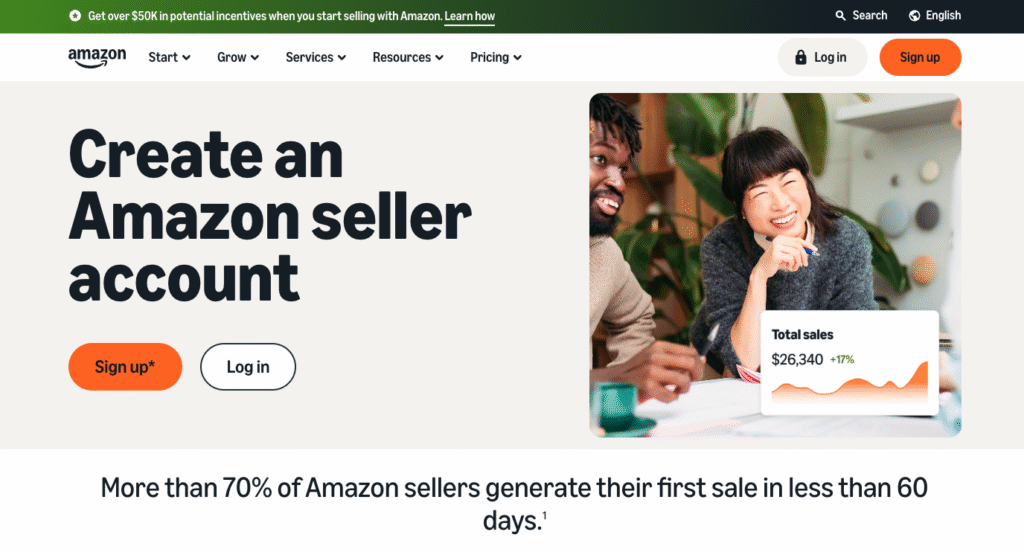
The benefits of using an online marketplace as an ecommerce platform include:
- Access to a large audience. Marketplaces like Amazon and Mercado Libre offer instant access to millions of potential customers, which is especially helpful for small businesses that lack the resources to build their own audience.
- Trust and credibility. Selling on a well-known marketplace helps build trust with customers, as these platforms offer secure payment systems and buyer protection policies. This reassurance can lead to higher conversion rates.
- Quick start and easy management. Sellers don’t have to worry about creating or maintaining the platform, as everything is provided for them.
- Operational efficiency. Marketplaces handle website maintenance, payment processing, and security, allowing sellers to focus on their products and customer service. Some even offer logistical support, such as shipping and returns, to make operations even easier.
Social media
Social media platforms have evolved from simple communication tools into powerful ecommerce platforms.
Rising social commerce trends allow businesses to sell products directly within the social media environment. Instead of marketing products and linking to other sites, social commerce lets customers browse and buy directly within the app.
A great example of this is TikTok Shop, which allows businesses to sell products directly through in-feed videos, live streams, and product showcases. For instance, during a live stream, a seller can feature a product, and viewers can tap a pinned link to buy it instantly. This feature turns casual browsing into an engaging shopping experience.
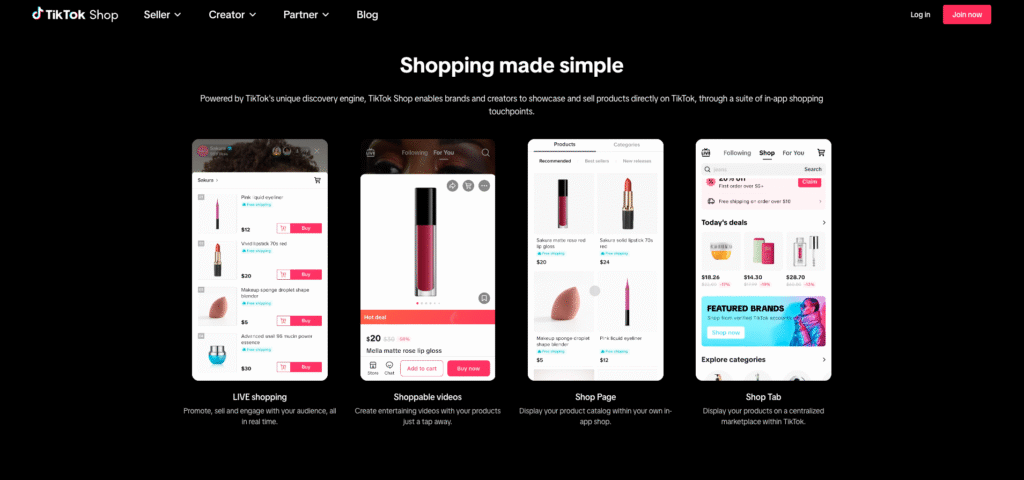
Here’s why social media works as an ecommerce platform:
- Access to a large audience. With billions of users, social media platforms offer a huge potential market for businesses to reach globally.
- Enhanced customer engagement. Social platforms help businesses connect with customers through comments, messages, and live sessions, building trust and community.
- Seamless shopping experience. Shoppable posts and in-app checkouts make buying easy without having to leave the platform.
- Cost-effective marketing. Social media ads tend to be more affordable than traditional marketing, with the ability to target specific audiences. Plus, it’s easier to gather user-generated content like reviews and posts, which can influence purchasing decisions.
What are ecommerce advantages and disadvantages?
Ecommerce offers many benefits, including lower costs, wider reach, 24/7 sales, scalability, and data-driven marketing. However, it also comes with some challenges, from intense competition and higher return rates to vulnerability to technical issues and security risks.
Advantages of ecommerce
- Lower costs. Starting and running an online store is generally more affordable than a physical one. You can avoid expenses like rent for retail space and hiring a large staff. An ecommerce website only needs basic expenses like domain registration and web hosting.
- Wider reach. Ecommerce eliminates the geographical limits of physical stores. You can sell to customers in different cities, countries, or even around the world, helping expand your customer base and increase brand recognition.
- 24/7 availability. An online store is always open, allowing customers to shop anytime, even outside traditional business hours. This round-the-clock access can lead to more sales, including impulse purchases.
- Access to data. Ecommerce platforms offer insights like purchase history and conversion rates, helping you understand customers and make smarter marketing decisions.
- Easy to scale. Online businesses are more flexible and easier to grow than brick-and-mortar stores. As long as you have enough stock, an online store can scale quickly to accommodate increased sales.
Disadvantages of ecommerce
- High competition. The low barrier to entry for ecommerce means that many businesses can quickly enter the market. This creates a crowded space, making it crucial to build a strong, unique brand to stand out.
- Lack of physical interaction. Customers can’t touch, see, or try products before buying online. This virtual experience can feel less personal, increase return rates, or cause dissatisfaction if expectations aren’t met.
- Reliance on technology. If your website experiences technical issues or goes down, it can disrupt sales and result in lost revenue.
- Security risks. Ecommerce businesses handle sensitive customer data, such as credit card information and addresses, making them prime targets for security breaches. A failure in security could harm your reputation and erode customer trust.
Still not sure if ecommerce is right for you? Our guide on ecommerce advantages and disadvantages offers more insights to help you decide.
How to start an ecommerce business
To start an ecommerce website, first define your niche by deciding what products to sell and who your target audience is. This helps you focus and stand out in a competitive market.
Next, choose the right platform for your business. It will impact your store’s design, functionality, and ease of management, so make sure it has the features you need, is easy to use, and can grow with your business.
Once you have your platform, set up your online store. Apply web design best practices, add your products, and configure payment and shipping options. Check out our ecommerce website examples for inspiration.
As you scale your business, implement effective selling and conversion rate optimization (CRO) strategies. Focus on driving traffic to your store through marketing, SEO, and social media. Additionally, A/B testing different elements like product page layouts and call-to-action (CTA) buttons to see what resonates with your audience and drives sales.

Why selling through ecommerce is important
According to ecommerce statistics, it’s estimated that by 2025, 2.77 billion people ‒ nearly one-third of the global population ‒ will be shopping online. Online sales are predicted to account for nearly a quarter of all global retail sales by 2027, with global ecommerce revenue exceeding $6.4 trillion by 2029.
Ecommerce has become crucial for financial success, driven by how people shop. Most customers buy online at least once a month. During the holidays, online shopping spikes even more, accounting for about 24% of the year’s total sales. This shows just how much potential there is for businesses to capture a large share of sales.
The rise of mobile users also contributes to ecommerce growth. Almost half of all shopping journeys start and end on a retailer’s website or app. Consumers are also placing a higher value on convenience and efficiency, making it essential for businesses to optimize their websites for mobile and offer features like guest checkout.
All these trends show that for businesses to remain competitive, embracing ecommerce is no longer optional.

Jordana is a Senior Content Writer with a background in Information Systems. She has over five years of experience in WordPress and is casually dabbling with PHP and MySQL. Her passion for writing and technology drives her to create tutorials for anyone wanting to build their online presence. Follow her on LinkedIn.