How to start a craft blog in 7 simple steps
Mar 10, 2026
/
Matleena S. & Simon L.
/
10 min Read
Starting a craft blog is a great way to turn your passion into a creative outlet that connects you with others.
A blog lets you showcase your talent, inspire fellow crafters, and build a community around your work.
Whether you’re looking to share tutorials, sell handmade items, or simply celebrate your craft, this guide will help you confidently navigate creating and growing your own craft blog.
1. Choose your craft niche
Think about the crafting projects that truly excite you. Do you love knitting, scrapbooking, or perhaps upcycling old furniture? Your passion will drive your blog’s content and keep you motivated.
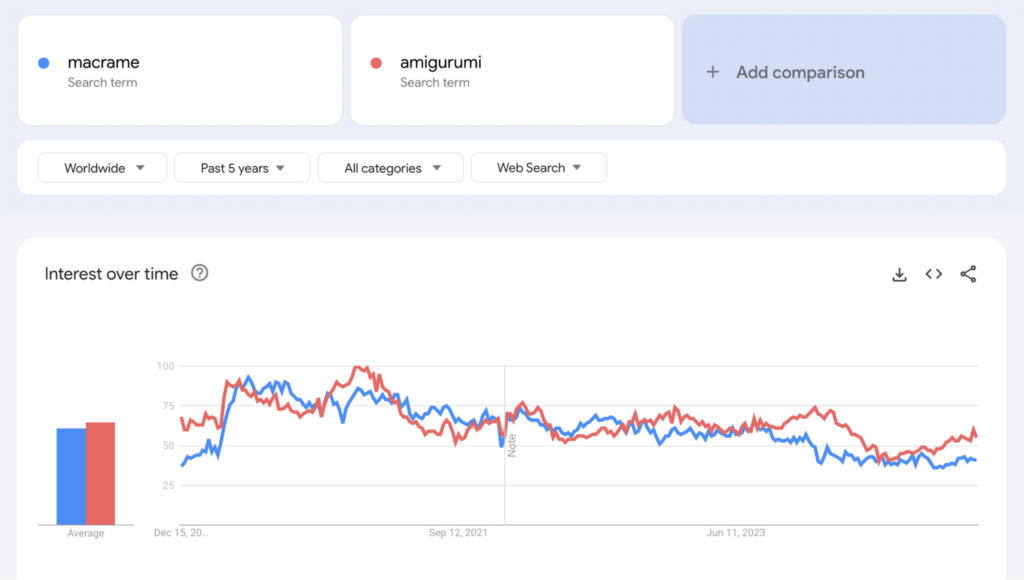
Dive into platforms like Pinterest, Instagram, and Google Trends to discover trending craft topics. For instance, macramé wall hangings, amigurumi toys, or eco-friendly crafts might be popular niches worth exploring.
Google other craft blogs within your potential niche. What are those blogs doing well, and where are the gaps you could fill? For example, if you notice a lack of beginner-friendly tutorials for DIY ceramics, that could be your unique angle.
While it’s important to love your niche, consider its earning potential. Niches like handmade jewelry or sewing tutorials often attract readers who are ready to invest in tools, patterns, or related products.
Before committing fully, share a few projects on social media or crafting forums to gauge interest and gather feedback. This can help you refine your niche, build an initial audience, and possibly even start a profitable craft business.
By thoughtfully selecting your niche, you’ll lay a strong foundation for a craft blog that’s both enjoyable and sustainable. Remember, a well-defined niche helps you stand out and makes it easier to connect with readers who share your interests.
2. Select a blogging platform
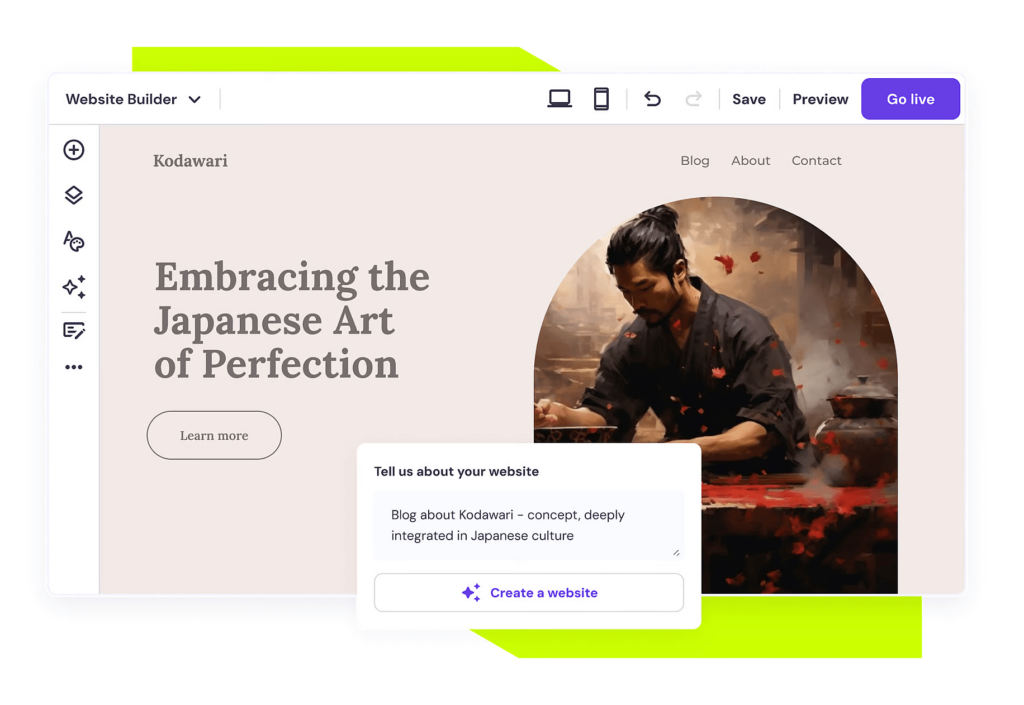
Your craft blog needs a reliable and user-friendly platform to help you bring your vision to life without technical hurdles. We recommend Hostinger Blog Maker for its simplicity and robust features tailored for beginners.
It’s the perfect platform for craft blogs due to its:
- Craft-specific blog templates. Our website builder offers beautifully designed templates that cater to visual blogs like those in the craft niche.
- AI Website Builder. For a more personalized layout, describe your craft blog in a few sentences, and the AI will create a bespoke website design with placeholder text and images.
- Ease of use. The drag-and-drop editor makes it simple to customize your blog without needing any coding skills.
- Built-in search engine optimization (SEO) tools. These help your craft blog rank higher in search results, attracting more readers.
- Secure hosting included. You get everything in one package, including a free domain, ensuring your blog is professional and safe.
Whether you’re sharing step-by-step tutorials or showcasing your work, a platform like Hostinger Blog Maker ensures your content is presented in the best light.
No technical expertise? No problem – you can focus on your creativity while the platform takes care of the rest.

3. Choose a name for your craft blog
The name of your blog should immediately signal what your content is about. For instance, a craft blog might be called:
- Knot & Thread for sewing or embroidery blogs.
- EcoCrafting Haven for eco-friendly or sustainable crafting.
- The DIY Palette for general DIY projects.
Here are some tips for choosing a great name:
- Be clear and relevant. Choose a name that reflects your blog’s content and helps readers instantly understand what to expect.
- Keep It short and memorable. Opt for a name that is easy to pronounce and recall. Avoid overly complicated words or phrases.
- Be unique. Check social media handles and existing blogs to ensure your name isn’t already taken. If your desired name is unavailable, try slight variations, such as adding words like “studio” or “designs.”
- Think long-term. Instead of focusing on a single craft, choose a name that allows for expansion. For instance, instead of Crochet by Lisa, opt for Lisa’s Craft Studio if you plan to cover a broader range of crafts in the future.
Once you’ve got some craft blog name ideas, use our domain checker to find out if a matching domain name is available. Enter your preferred blog name, and the tool will show you if it’s free or suggest alternatives if it’s taken:
Domain Name Checker
Instantly check domain name availability.
If your first-choice domain isn’t available, try creative variations. Adding words like “haven,” “designs,” or “studio” can keep the domain aligned with your branding while making it unique.
Once you’ve found an available domain, keep it handy, but don’t register it yet. We’ll do that in the next step, as all annual Hostinger Blog Maker plans include a free domain for the first year.
4. Design your blog to reflect your craft style
Now that you know what you want your craft blog to be about and what you want to call it, it’s time to set it up.
Head to our blog maker and choose a plan.
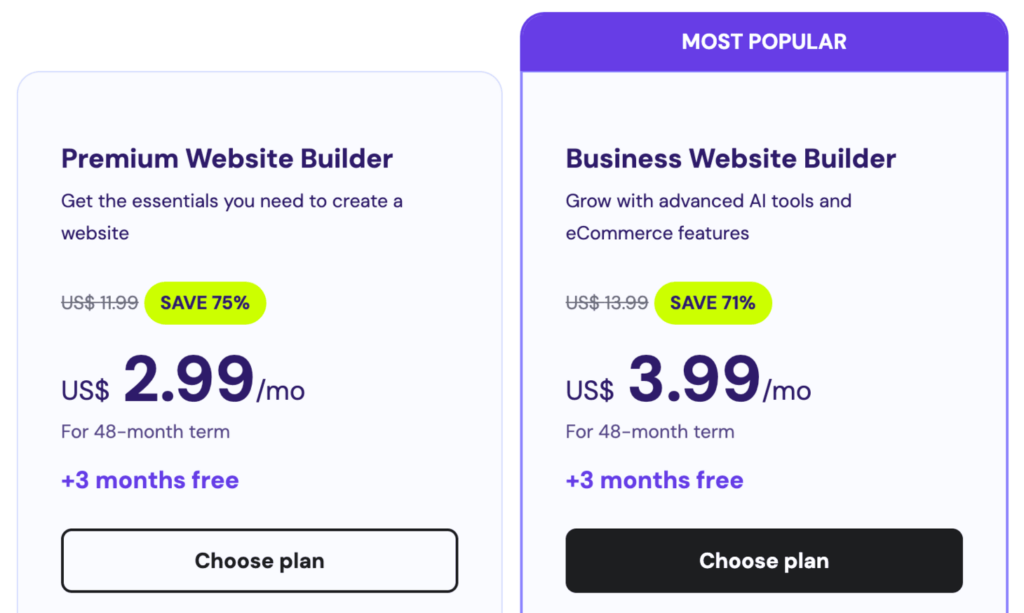
The Business plan comes with helpful AI tools, such as AI Writer, a blog generator, and SEO features. These tools make creating posts much easier, so we’ll walk through the setup using the Business plan to show you all the features.
To secure your free domain name, sign up for at least 12 months.
Once your payment is complete, you’ll land in your new Hostinger dashboard, where you can secure your free domain.
Click the Claim domain button, and a popup window will appear.

Type in the domain name you picked in the previous step, choose Check availability, then click Claim domain to make it yours.

Now, let’s create your craft blog. Click on Websites on the left panel, and then choose Add Website.
Next, enter the blog’s name, describe the crafts you will blog about, and click Create a website. Then, choose a color palette matching your craft ideas, and AI will create your blog.
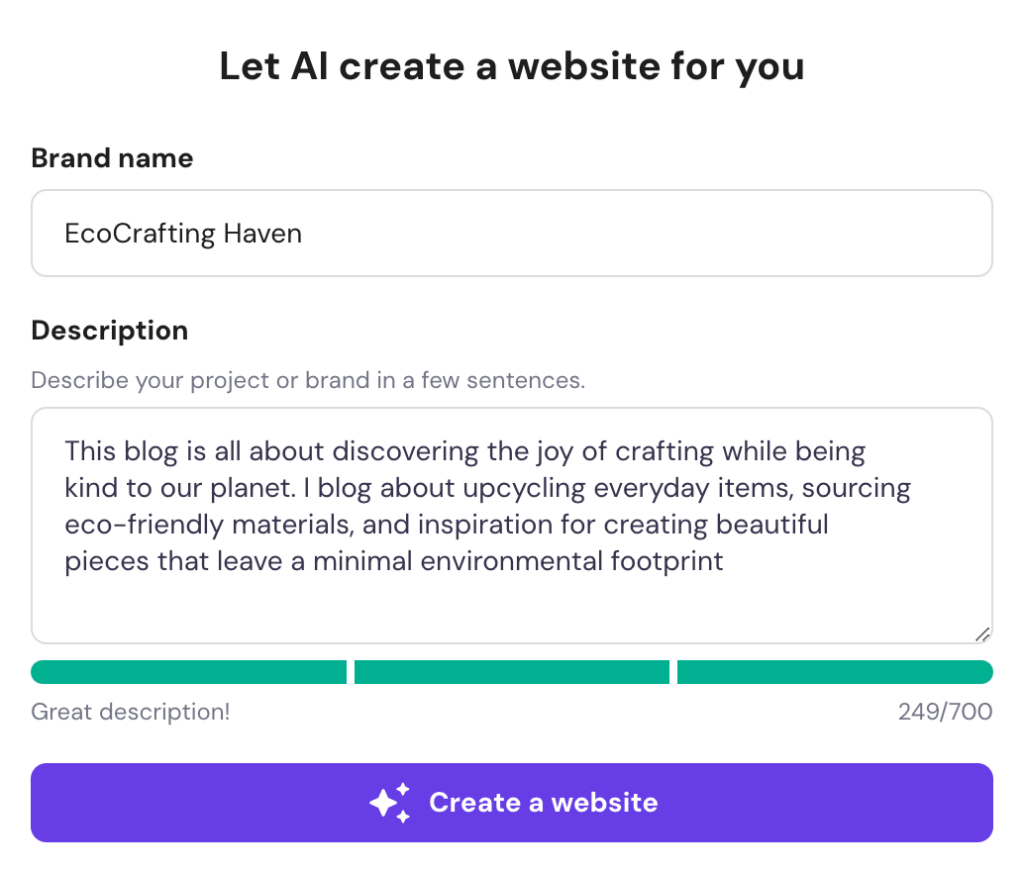
All the craft blog examples in this guide were created using these same steps. And just like these examples, you need to personalize your blog to highlight what makes you unique as a craft blogger.
Here are some design tips to stand out.
Create a unique logo
Like Constellation Crochet or Mirai Knitery, a great logo reflects the personality of your craft blog.
With Hostinger, you don’t need to hire a designer to create a logo for you – you can create one within the blog maker.
Simply click on AI tools in the left panel and choose AI Logo Maker.
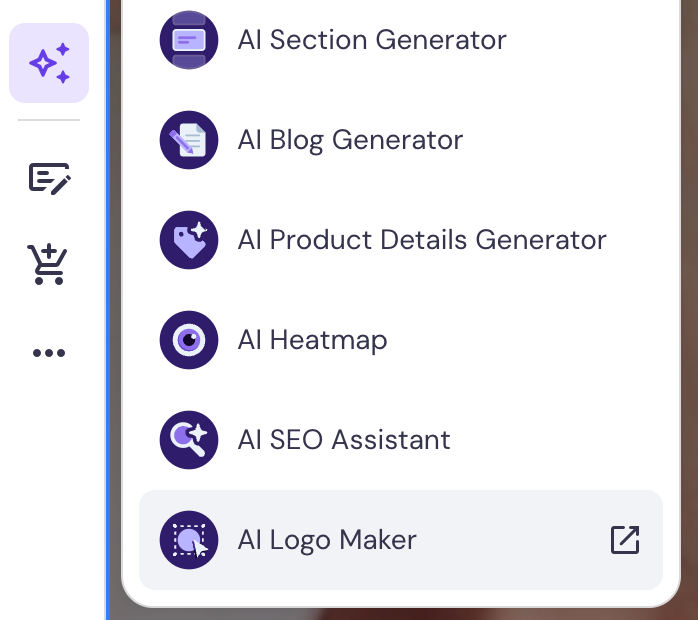
Then, enter your blog’s name, choose a style, and click Create. You have to purchase credits to use the Logo Maker, but it’s worth it if you don’t want to hire a designer.

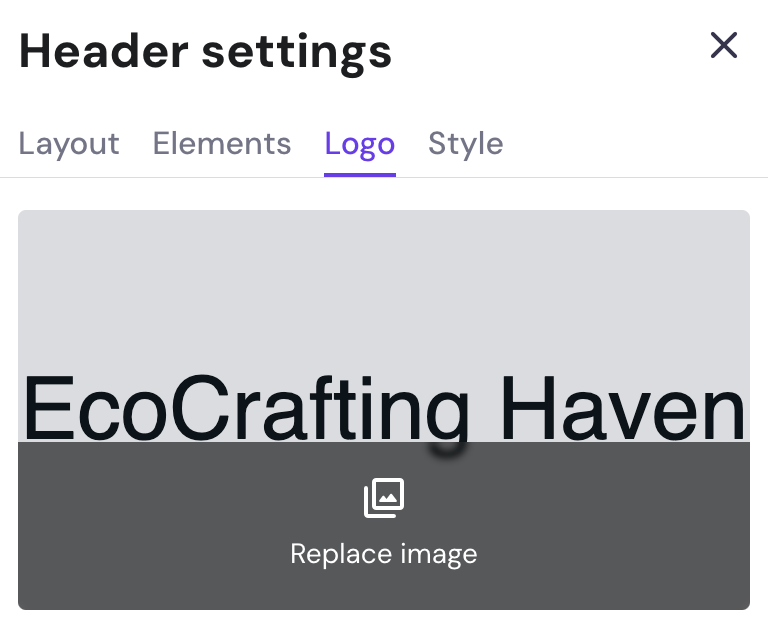
Download your favorite design, and go back to the website builder. Then click on the existing logo, select Replace image, and upload your new logo.
Take high-quality photos
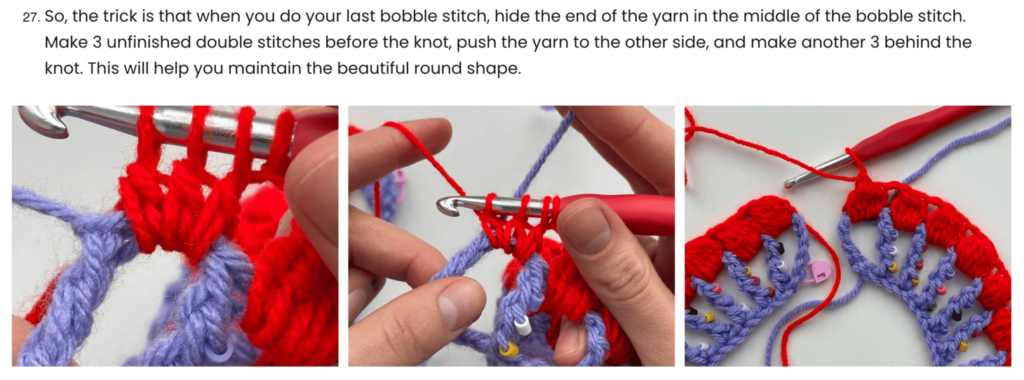
Your craft projects are the heart of your blog, so make sure they shine. Use high-quality photos taken in natural lighting to highlight the intricate details of your creations.
Similar to what Curly Knits does with their crochet patterns, add close-up shots that can create a more engaging visual experience for your readers.
Create a gallery
A dedicated gallery section allows readers to browse through your portfolio of projects easily. Take a look at how Constellation Crochet uses a dedicated Gallery page to showcase their work:
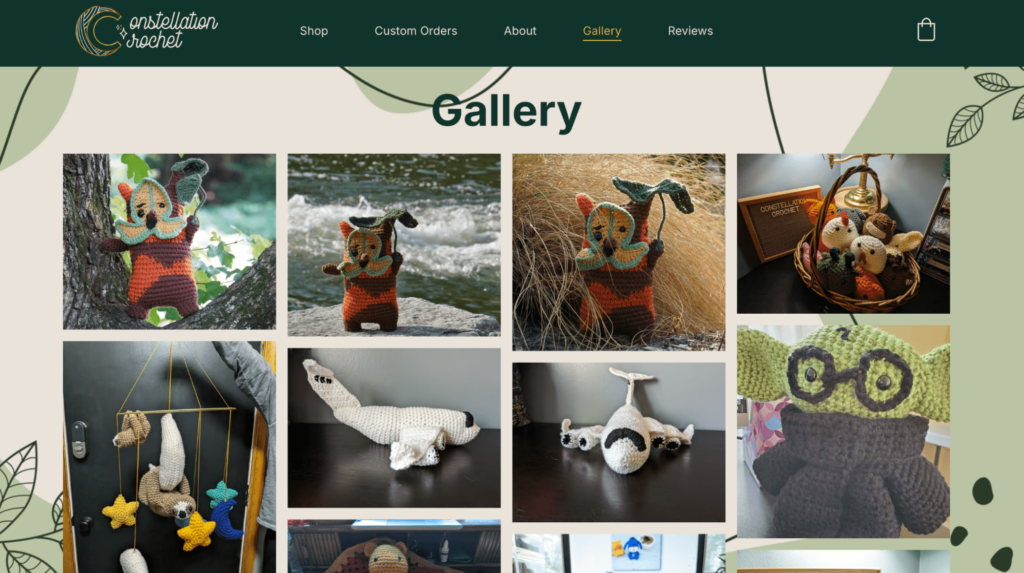
Whether sharing your latest DIY decor or an intricate embroidery design, a gallery adds professionalism to your blog. For craft bloggers selling products, this feature doubles as a way to display items for purchase.
Use cohesive colors
Your blog’s color scheme should align with your craft niche. Pastel shades and soft tones work well for knitting or floral crafts, while bold and vibrant colors might suit DIY or upcycling projects.
Use complementary colors to maintain visual harmony and create a consistent theme across your blog.
Highlight your personality
Crafting is personal, and your blog should reflect your unique voice. Add an About Me page with a professional yet friendly photo and a short story about your crafting journey, like Mirai Knittery does:
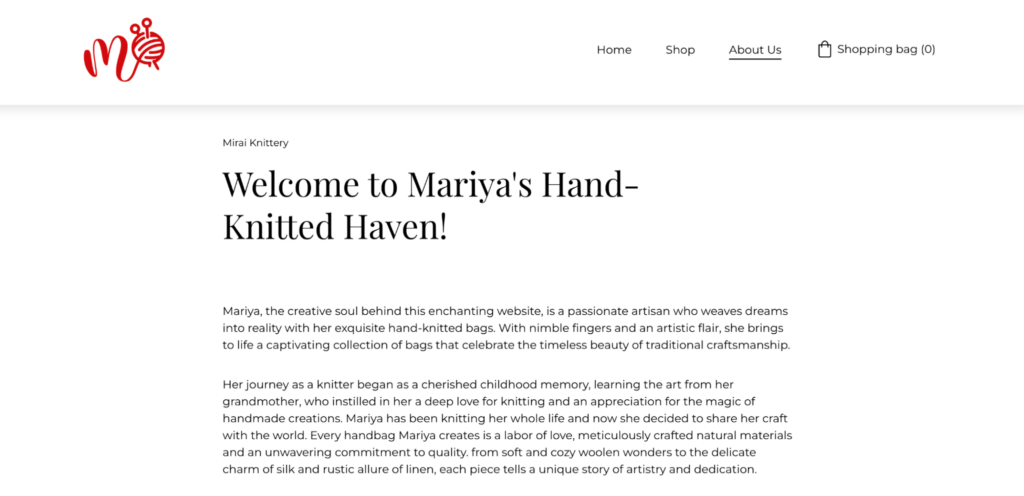
Share why you started crafting, what inspires you, and what your goals are for the blog. This helps readers connect with you on a deeper level.
Simplify navigation
A well-structured menu makes it easy for readers to explore your content. Use clear categories like Tutorials, Gallery, Shop, or Blog.
Add a search bar and ensure your menu items are straightforward and relevant. For example, if you focus on seasonal crafts, a category like Holiday Projects can guide visitors to timely content.
Optimize for mobile devices
Many readers will browse your blog on their smartphones or tablets, so a mobile-friendly design is essential.
Use the mobile editor inside the Hostinger Blog Maker editor to ensure your content looks great on all devices. Test your blog’s mobile layout regularly for navigation issues or formatting errors.
Looking for more?
For more in-depth guidance on how to design your blog, follow our tutorials on how to start a blog and how to make a website with Hostinger Website Builder.
5. Create engaging craft content
Creating content is where your craft blog truly comes to life. Your posts should inspire and inform your readers while showcasing your creativity.
Write step-by-step tutorials
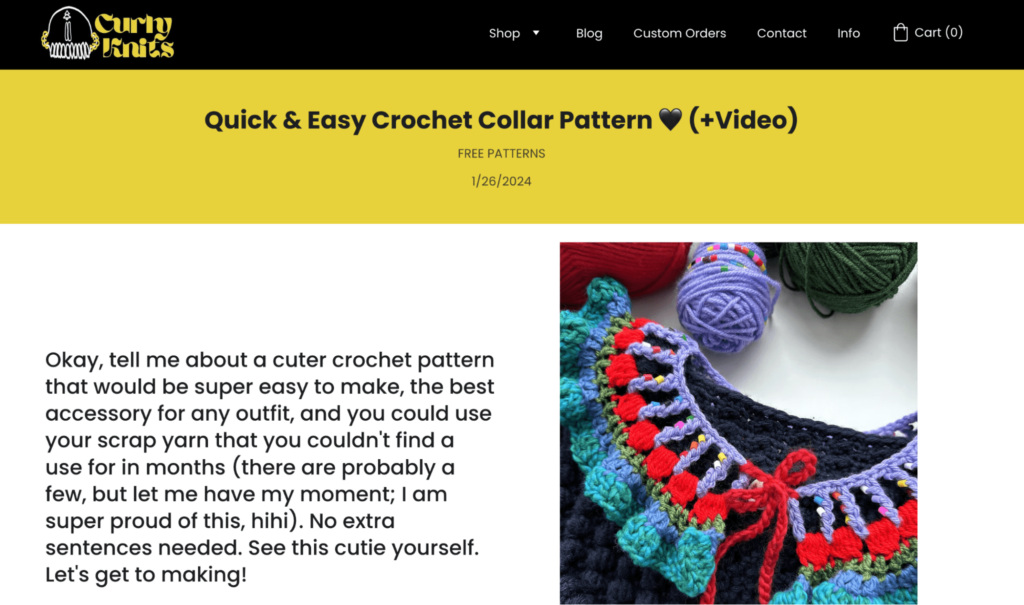
Craft tutorials are a cornerstone of any successful craft blog. Break down complex projects into simple, actionable steps, supported by photos or videos at each stage, like Curly Knits does:

For example, a tutorial on creating a macramé wall hanging might include images of knotting techniques and a video showcasing the process in real-time. Clear instructions help your readers replicate your projects with confidence.
Share project inspiration
Sharing project ideas keeps your readers inspired and eager to try something new. Write posts like “10 Easy Crafts for Beginners” or “5 Creative Ways to Use Scrap Fabric.”
Highlight projects suitable for different skill levels and include suggestions for unique materials to spark creativity.
Create articles on crafting tips and troubleshooting
Provide expert advice on crafting techniques, tools, and common issues.
Posts like “How to Keep Paint from Peeling on Wood Projects” or “Choosing the Right Yarn for Your Knitting Project” offer valuable insights that build trust with your audience. Add personal anecdotes or lessons learned to make your advice relatable.
We have a whole article on 50+ blog post ideas, including free templates, to help you get started.
Focus on seasonal and holiday projects
Tailor your content to seasonal trends and holidays to capture audience interest. Posts on DIY Christmas ornaments, Halloween decorations, or spring wreaths are popular searches during specific times of the year.
Ensure you include vibrant visuals that resonate with festive themes.
Learn how to structure your blog posts properly
Every blog post should have a clear structure to keep readers engaged. Begin with a compelling introduction that addresses your audience’s needs, like:
Looking for a simple way to elevate your home decor? Try this easy DIY vase project!
Use subheadings to break your content into digestible sections, and include numbered steps for tutorials. Close with a strong call-to-action, encouraging readers to share their results, leave a comment, or follow you on social media.
For more practical guidance on how to structure your blog posts, follow our tutorial on how to write blog posts.
Enhance blog posts with visuals
High-quality visuals are essential for a craft blog. Include detailed photos of your projects at various stages, create pinnable graphics for platforms like Pinterest, and add short video clips for complex steps.
These elements make your posts more engaging and increase their shareability.
Do proper keyword research for craft content
Optimizing your content for search engines helps new readers discover your blog. Use tools like Ubersuggest or Google Keyword Planner to identify popular terms in your niche.
Focus on long-tail keywords, such as “beginner crochet blanket pattern” or “how to paint clay pots,” to target specific audience needs effectively. Learn the basics of how to write SEO-friendly content for the best visibility in search engines.
By consistently creating high-quality, engaging content, you’ll establish yourself as a trusted resource in the crafting community while growing your audience.
6. Build your craft blog audience
Attracting readers requires consistent promotion. Some key strategies to grow your craft blog’s audience include the following:
- Use SEO techniques to boost your visibility.
- Leverage social media platforms like Pinterest, Instagram, and TikTok.
- Consider paid advertising to reach a broader audience.
- Build an email newsletter to keep your readers engaged.
- Participate in online communities to connect with fellow crafters.
Get visible in the search engines
Search engine optimization (SEO) is key to making your blog discoverable. Research and incorporate relevant keywords into your blog posts, titles, and meta descriptions.
For example, using terms like “easy holiday crafts” or “beginner knitting tips” can help your content rank higher on Google and bring in organic traffic.
Harness the power of social media
Social platforms are invaluable for promoting your craft blog:
- Pinterest. Create visually appealing pins for your projects with clear titles and descriptions. Pins showcasing completed projects or step-by-step tutorials can attract craft enthusiasts.
- Instagram. Share high-quality photos and videos of your crafts, highlight behind-the-scenes moments, and use popular hashtags to increase visibility.
- TikTok. Post short, engaging videos showcasing quick tips, project reveals, or crafting hacks to reach a younger, trend-savvy audience.
- Threads. Use this platform to build meaningful conversations with your audience, discuss trends, answer questions, or share quick advice.
Invest in advertising
Consider investing in targeted ads on platforms like Google or Pinterest. Promoted pins or ads focusing on specific keywords like “DIY home decor” can drive more traffic to your blog and help you reach a wider audience.
Build an email newsletter
Encourage visitors to subscribe to your newsletter by offering exclusive content, such as free printables or early access to tutorials, like Curly Knits does:
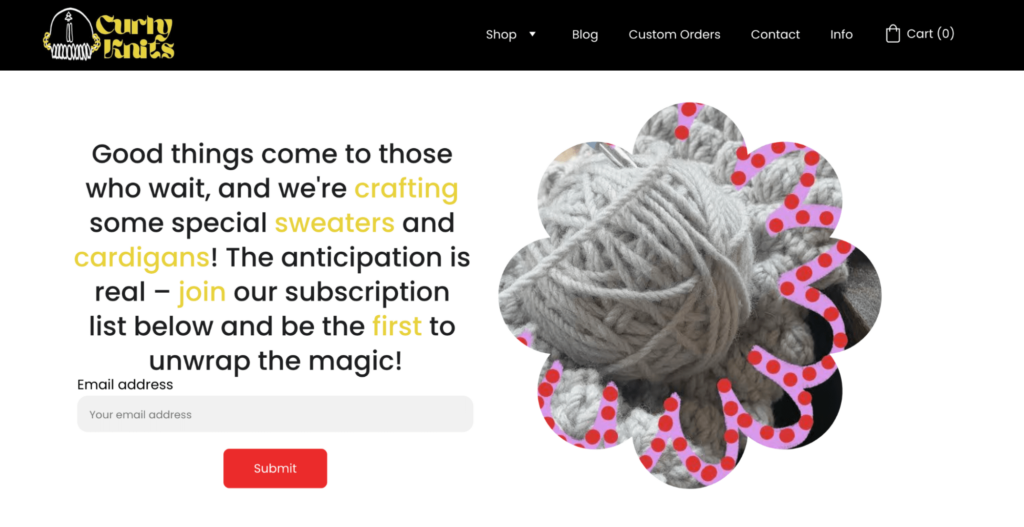
Regular email campaigns can keep your audience engaged and informed about your latest blog posts or projects.
Engage with communities
Join online crafting forums or Facebook groups to share your expertise and naturally promote your blog. Genuine engagement helps establish credibility and builds connections with other crafting enthusiasts.
Stay consistent and responsive
Respond to comments and direct messages regularly to engage with your audience. This interaction fosters a sense of community, encouraging readers to return to your blog for more.
By combining these strategies, you’ll grow a loyal audience and establish your craft blog as a go-to resource for crafting inspiration.
7. Monetize your craft blog
Once your blog gains traction, you can turn it into a source of income. Here are actionable ways to monetize your craft blog:
- Affiliate marketing. Recommend craft tools, materials, or software you genuinely use and love. Include affiliate links in your tutorials or reviews, and earn a commission for every purchase made through your link. For example, if you’re writing a guide on knitting, link to the specific yarn or needles you used.
- Sponsored posts. Collaborate with craft-related brands to create paid content. This could include product reviews, tutorials featuring their materials, or promotional blog posts. Be transparent with your readers by clearly labeling sponsored content.
- Sell your crafts. If you’re making and selling handmade items, integrate a shop section into your blog. Explore our list of the best craft ideas to sell for maximum profit.
- Offer printables and patterns. Design downloadable craft patterns, printable wall art, or planning templates. Selling these digital products is a great way to earn passive income.
- Host webinars or live workshops. Engage your audience by hosting paid live crafting sessions where you teach specific techniques or projects.
- Advertising revenue. Enable display ads on your blog through platforms like Google AdSense. While this requires high traffic to be effective, it can provide a steady income stream as your blog grows.
- Crowdfunding or donations. Platforms like Ko-fi allow you to offer exclusive content or early access to projects for a small monthly fee.
To get a head start, pick a couple of ideas from this list and visit our tutorial on how to make money blogging for more information on your chosen strategies.
Conclusion
Starting a craft blog can be a fulfilling journey – a space to share your creativity, connect with others, and even earn from your passion.
From selecting the perfect niche to designing a visually captivating blog, every step is a chance to express your unique voice and connect with a like-minded audience.
By sharing valuable content and engaging with your readers, you’ll build a loyal following and create a platform that reflects your craft style.
How to start a craft blog FAQ
How can I promote my craft blog on social media?
Share high-quality images and videos of your projects, use popular hashtags, and engage with your audience through comments and direct messages. Consistently posting at optimal times can also help increase your visibility.
How do I pick a name for my craft blog?
Choose a name that reflects your niche, is easy to remember, and has an available domain name. Brainstorm unique names that stand out while staying relevant to your crafting focus.
What tools do I need to start blogging?
You’ll need a blogging platform, a domain name, and a reliable hosting service like Hostinger Blog Maker. Additionally, tools for photo editing (such as Canva) and keyword research (like Ubersuggest) can help. Social media scheduling tools can also streamline your content sharing.
How much do craft bloggers make?
Craft bloggers can earn up to $1000 per month when starting, while top bloggers with strong followings have reported making over $20,000 monthly. Earnings vary widely based on key factors like your content quality, website traffic, specific craft niche, and monetization strategies.

Matleena is a seasoned Content Writer with 5 years of content marketing experience. She has a particular interest in emerging digital marketing trends, website building, and AI. In her free time, Matleena enjoys cups of good coffee, tends to her balcony garden, and studies Japanese. Follow her on LinkedIn

Simon is a dynamic Content Writer who loves helping people transform their creative ideas into thriving businesses. With extensive marketing experience, he constantly strives to connect the right message with the right audience. In his spare time, Simon enjoys long runs, nurturing his chilli plants, and hiking through forests. Follow him on LinkedIn.