How to start a beauty business: A complete guide
May 20, 2026
/
Ksenija
/
12 min Read

The idea of starting a business can be intimidating. There are no guarantees, and the outcome is uncertain. That fear holds many people back before they even take the first step.
Just by being here, you’ve already achieved more than many. You have decided to take that leap and turn your passion for helping others look and feel their best into a profitable business and release your vision into the world.
From creating your business plan and establishing a strong online presence to building your brand and scaling your business, our guide will lead you to the ultimate goal of running a successful beauty brand.
Define your beauty business idea
Starting with a definition of your business idea will ensure you have a clear direction for what you want your business to achieve and how to get there.
Here is what you should do to carve out the building blocks for the foundation of your beauty business:
Find your niche
When you think of your beauty business, what is it that excites you the most? What is it that you have the most expertise in?
Is it organic skin care, anti-aging or anti-acne solutions, aromatherapy, or something entirely different? Your best bet is to start with a niche you are both passionate and knowledgeable about so that you can stay motivated and build credibility faster.
Tap into market trends
Researching beauty industry trends is important for understanding what kind of products your customers want to buy and interact with.
Start by reviewing reports on the cosmetic industry, analyzing best-selling products in your niche, and going through beauty brands’ customer reviews.
Next, follow cosmetic companies, influencers, and hashtags on social media channels to stay up to date with the latest trends.
Know your target audience
See who’s buying from your direct competitors by going through reviews on their online channels and who’s engaging in social media beauty posts.
Focus on customers’ age, gender, income level, interests, etc. At the end of your research, you should have an ideal buyer’s persona profile. It should look something like this: “Sophie, 28: A skincare-conscious professional looking for cruelty-free, anti-aging products, who relies on influencer recommendations for product choices.”
Define your unique selling proposition (USP)
Ask yourself what problem your product or service solves and what sets you apart from your competition. Are you using organic ingredients? Does your product or service help people with specific conditions like acne or hair damage?
Ideally, your beauty products should fill the gap in the market, whether it is affordability, green practices, a unique shopping experience, or something else. When you figure out your USP, use it consistently in your marketing and branding endeavors.
Name your brand
Your brand name should be catchy, easy to remember, and in sync with your business values and audience.
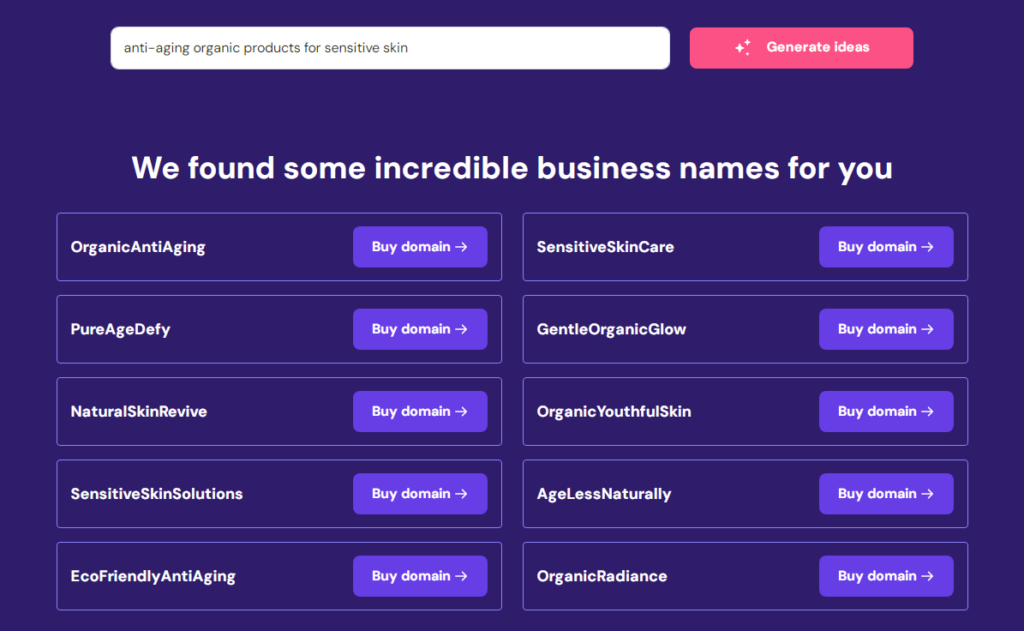
Once you decide on the name, you need to check if it is already taken with a simple Google search. If you’re struggling to come up with a unique name or simply need inspiration, try Hostinger’s business name generator.
Simply describe your business, like: “anti-aging organic products for sensitive skin,” and click Generate ideas. You will get available names for your business and the option to buy a domain for your business website.
You can also explore our list of makeup business name ideas for more examples and naming tips tailored to beauty brands.
Create a business plan
A business plan is a document outlining your business goals and the strategies for achieving them. It is basically a blueprint of your business development that helps you stay focused on your objectives, attract investors, or secure bank loans.
Here is what your business plan should have:
- Executive summary. Include a brief description of your beauty products or services, your mission and vision statement, and your short and long-term goals.
- Company description. Add your business name, location, structure, USP, and key people in your company.
- Market analysis. Write down industry trends, target audience demographics, competition analysis, and market gap your business is fulfilling.
- Product/service overview. Provide a full description of your beauty products or services, suppliers, manufacturers, and order fulfillment strategy.
- Marketing and sales strategy. Reveal your branding and marketing approach, target market, and pricing strategy.
- Budget and financial plan. State your initial setup costs, operating expenses, sales projection for the first year, profit and loss statement for the first 3 years, and fund-raising strategy.
Try to keep your goals as realistic and achievable as possible. This will help you avoid financial strain as you will be able to manage resources efficiently, sustain growth, and easily adapt to new industry trends.
Download business plan template
Consider legal and financial aspects
Registering your business ensures you operate within legal requirements and avoid potential fines and penalties.
Here’s what to do to cover the legal and financial aspects:
Choose your business structure
How you structure your business will have an impact on everything from taxes to personal liability and funding opportunities.
These are your options:
- Sole proprietorship. Full control, easy setup, minimal paperwork, but personal responsibility for any and all debts or legal issues.
- Partnership. You share ownership, responsibilities, and profits with one or more people.
- Limited Liability Company (LLC). Separates personal and business liabilities, but requires more paperwork and compliance.
- Corporation. Shields you from personal liability and allows raising capital via stock, but requires more administration.
Register your business
Once you’ve chosen your structure, your next step is to register your business and ensure legal compliance.
Here’s what you should do:
- Register with local authorities (county, city, or national office).
- Apply for an Employer Identification Number (EIN) from the IRS (U.S.) or the equivalent in your country.
- Check local business registration requirements.
Each country has its own set of rules and regulations, so make sure you check business registration requirements in your area.
Secure the necessary licenses and permits
Depending on your beauty business type, you may need specific permits or business licenses, such as:
- Cosmetology and esthetician licenses. Required for hands-on beauty services.
- Health and safety permits. Needed for salons or businesses handling cosmetic products.
- Retail licenses. Necessary for selling beauty products.
Protect your brand and intellectual property
Your brand name, logo, product formulas, and even marketing materials are valuable assets that you can protect through:
- Trademarks. Register your brand name, logo, or product names to prevent others from using them.
- Patents. If you’ve developed a unique skincare formula or beauty tool, secure a patent to obtain exclusive rights.
Set up your finances
Having a financial system in place helps you manage cash flow and cover expenses. At the same time, it can prevent any financial problems down the line.
To set up your finances:
- Open a business bank account. Separate your business and personal finances by opening a business bank account.
- Explore funding options. If you need extra cash, look into funding options like bank loans or investors.
- Create a budget. Make a detailed budget by listing all your business expenses, such as rent, supplies, and employee wages.
- Estimate your revenue. Research how much customers typically pay for beauty products or services similar to yours to get an idea of your future net income.
- Set your prices. Set your prices based on supply costs, competitor pricing, and your desired profit margin.
Build your brand
“Marketing is no longer about the stuff you make, but about the stories you tell”—Seth Godin, American author and entrepreneur.
Every single element of your brand should tell a story and work together to create a lasting, emotional connection with your audience.
Here’s how to build your brand from scratch:
Design your logo
Your logo is the face of your brand and the first touchpoint with your customers. Keep it simple but impactful.
Some of the logo design principles suggest that bold, strong colors communicate confidence and power, while softer tones could convey calmness and relaxation.
The shape of your logo also tells a story. For instance, rounded edges often feel friendly and approachable, while sharp angles might suggest sophistication or innovation.
Avoid cluttered designs that can be hard to distinguish when scaled down.
Keep in mind that your logo should be versatile enough to work across all platforms, from business cards to social media and signage.
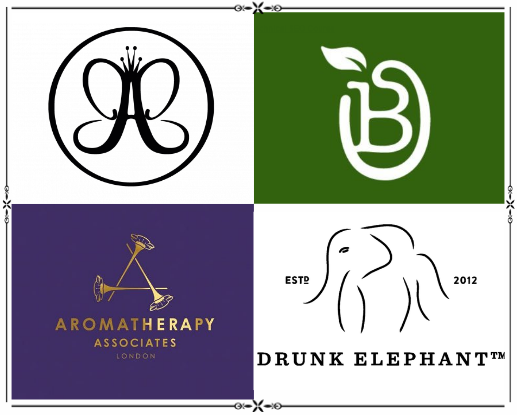
If hiring a designer doesn’t fit your budget right now, you can create your own logo using AI.
Here are a couple of different logo styles to get you inspired.
Pick your brand colors
Every color evokes specific emotions. When you are selecting the colors for your brand, think about what impact they will have on your target audience.
For instance, soft pastel colors like light blue and pink generate a calming, welcoming feeling. They are also linked with comfort and femininity.
On the other hand, bold reds or oranges are associated with energy, excitement, and confidence.
Craft a compelling brand story
The aim of your beauty brand’s story is to build an emotional connection with your audience and set you apart from your competitors.
Here’s how to create one:
- Be authentic. Every great brand has an origin story. Why did you start your own beauty business? Share your real experiences, challenges, the lightbulb moments, and what inspired you to take action.
- Make it relatable. Your customers should see themselves in your story. Address their struggles, needs, and aspirations. Show that you understand them.
- Define your mission and values. Your mission is what fuels your brand. Are you dedicated to sustainability? Inclusivity? Science-backed skincare? Communicate what you stand for and how your products reflect these values.
- Highlight your unique selling proposition. What makes your brand different? Maybe you use rare botanical extracts or innovative beauty technology. Whatever it is, make sure customers know why they should choose you over others.
- Use visual storytelling. Your visuals should reinforce your story. Use high-quality images, videos, and packaging that align with your brand’s aesthetic.
- Stay culturally and socially relevant. Whether it’s sustainability, inclusivity, or self-care, show how your brand contributes to the larger picture.
Ensure brand consistency
A strong and consistent brand identity establishes trust and makes your business instantly recognizable and memorable.
Every time someone engages with your brand, whether online, in-store, or through your products, is an opportunity to strengthen your identity.
Your brand needs to look and feel the same across all platforms and touchpoints. Your audience should never feel like they’re interacting with a different company when switching from your social media accounts to your website.
Your logo, colors, tone, and messaging must be cohesive everywhere. Consistency creates awareness, and awareness is a stepping stone to customer loyalty.
Create your beauty business website
First impressions matter, and your website is often the first place potential clients will look to learn about your beauty products or services.
Today’s customers expect a polished online presence, a place where they can explore your business, browse your portfolio, read client reviews, or book appointments.
Without it, you may be missing out on clients who are ready to commit but can’t find the information they need to take the next step.
The truth is that anyone can create a social media profile, but a well-designed website shows you’re professional, established, and trustworthy.
Some of the must-have features and functionalities for your website include:
- Ecommerce functionality. The essence of your website should be with well-structured product pages and easy-to-navigate catalogs. To make a buyer’s journey frictionless, provide secure payment processing, mobile-friendly design, easy checkout process, and integration with shipping and fulfillment services.
- Product/service descriptions. To help your customers make informed purchasing decisions, include what the product/service does, key ingredients and their benefits, how to use it, who it’s best for, and the expected results.
- Appointment booking. If you are opening a personal care business, you’ll need a user-friendly online booking system that allows clients to schedule appointments with ease, ideally in just a few clicks.
- Customer reviews and testimonials. Display reviews, ratings, and before-and-after photos on your website to build credibility through social proof.
- Blog section. To establish your brand authority and drive organic traffic to your site, publish articles with beauty tips and guides on your blog pages.
Another important decision you’ll need to make is what platform to use to build your website, as it will affect how easy it will be to create, manage, and update it over time.
Hostinger’s website builder comes with an intuitive drag-and-drop functionality, vast template selection, AI-powered tools, and built-in ecommerce features.
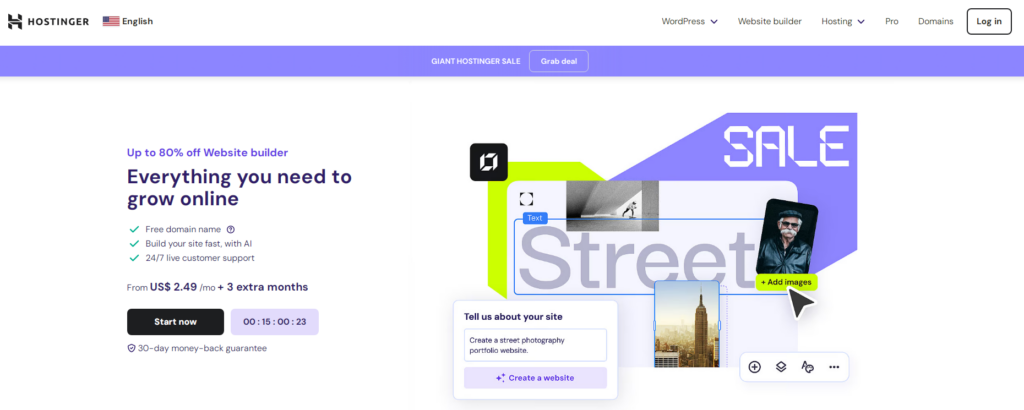
This makes it a perfect choice for setting up a beauty business website, as it allows you to quickly create a professional-looking site with all the features we mentioned (and more), even if you don’t have any technical expertise.
Here is how it’s done:
- Pick a hosting plan. Choose between shared hosting, cloud hosting, and VPS.
- Create an account. Sign up with your email and create a password to set up your Hostinger account.
- Select a domain name. Pick a unique domain name for your website, which will act as its online address.
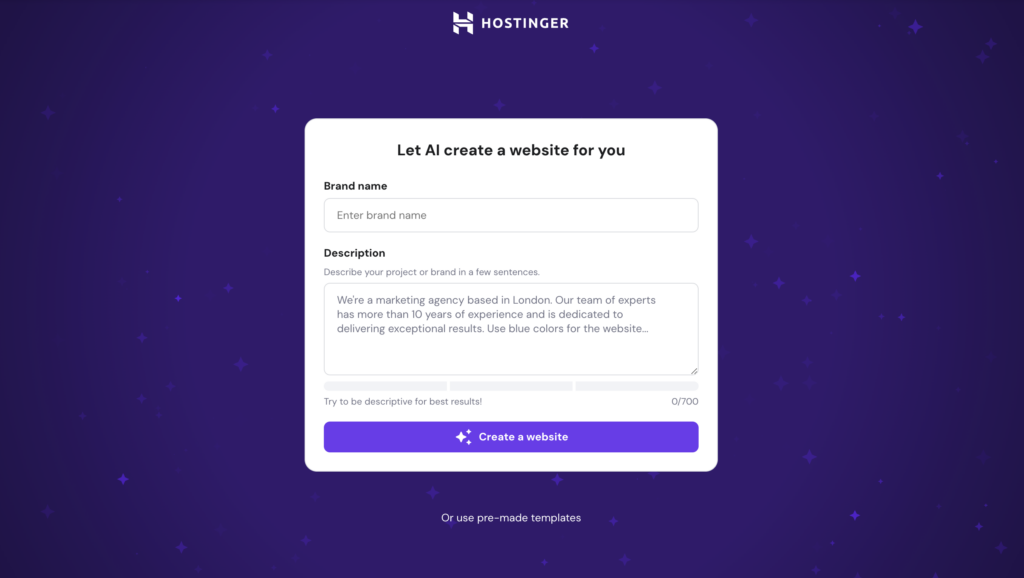
- Use AI website builder. Simply describe your business and the website you want and let Hostinger Website Builder do the rest. The builder will create a compelling homepage and other essential pages, add menus, buttons and various sections. You can also use ready-made beauty salon website templates to get started.
- Personalize your site. Customize your website by adding text, images, and sections to give it your unique touch.
- Add pages. Using the built-in tools, create additional pages like About, Services, and Contact to complete your site.
- Preview your site. Take a final look at your website in preview mode to make sure everything is perfect.
- Publish your website. Once you’re happy with the design and content, hit Publish to bring your site live.

Set up an online presence
After setting up your website, it’s time to work on your social media presence to build engagement, boost sales, and strengthen brand loyalty.
Here’s what you should do:
Create engaging content
Use social media platforms like Instagram, TikTok, YouTube, and Facebook to show your brand’s personality, products, and expertise.
Content that can help enhance your beauty brand’s presence can include:
- How-to tutorials and demos. Show step-by-step tutorials on how to use your products, a 5-minute everyday makeup look, a skincare routine, or a behind-the-scenes formulation process, to educate and engage your audience.
- User-generated content (UGC). Encourage customers to share their experiences with your products or services. Reposting UGC builds trust and fosters a community around your brand.
- Before-and-after transformations. Whether you sell hair extensions, skincare, or teeth-whitening kits, visual transformations make a strong impact and drive conversions.
Engage with your followers and build community
Social media is all about interaction. The more you engage with your audience, the stronger your brand loyalty becomes.
To actively engage with your audience you’ll need to:
- Respond to comments and messages. Quick responses show your audience that you’re attentive and value their time.
- Run polls and Q&A sessions. Use Instagram Stories or YouTube Community posts to ask followers what they want to see next.
- Create giveaways and contests. Encourage users to tag friends, share your content, or visit your website for a chance to win free products or exclusive discounts.
- Host live sessions. Go live on Instagram, TikTok, or YouTube to answer questions, showcase products, or demonstrate techniques in real time.
Integrate your website with social media for a seamless experience
Your website and social media should work together, ensuring a smooth journey from social discovery to purchase or booking.
This is how you can make it happen:
- Embed social feeds on your website. Add a live Instagram or TikTok feed to your homepage to keep your site dynamic and engaging.
- Use social proof and reviews. Feature customer testimonials and influencer collaborations directly on your website to build credibility.
- Add social share buttons. Let visitors easily share your blog posts, product pages, and videos on their social media profiles.
- Make purchasing seamless. If you sell beauty products, integrate a Shop Now button on your social media channels and link it directly to product pages on your website.
Market your beauty business
The key to a successful business is to go beyond transactions and build a community around your brand.
Here’s how you can market your beauty brand:
Tap into the influencer marketing
You can try and use big-name influencers, but they will probably cost you a fortune. If you want to go easy on your budget, try hiring micro-influencers.
To ensure fruitful collaboration, try the following:
- Look for influencers who align with your brand values and have an engaged and loyal following, as they can prove to be more valuable than someone with millions of passive followers.
- Offer them free products in exchange for honest reviews or tutorials.
- Give the chosen influencers a unique discount code or commission on sales to encourage them to promote your products consistently.
Build an email marketing strategy
Email gives you direct access to your audience, and is a powerful way to keep your customers engaged, share exclusive offers, and secure consistent sales.
To streamline this process, Hostinger Reach is an email marketing platform that uses AI to help you create professional newsletters and campaigns. Instead of designing templates or writing copy yourself, you simply tell Reach what you want to communicate (like “promote our new moisturizer to skincare enthusiasts”) and it generates complete emails with subject lines, body content, and call-to-action buttons. The platform connects to your beauty website and automatically imports your customer list, so when someone makes a purchase or signs up for updates, they’re instantly added to your email segments.
Here is how to set up your email marketing strategy:
- Create a compelling opt-in offer. Give subscribers a reason to join your list, like an exclusive discount, free beauty guide, or early access to new products.
- Segment your audience. Personalize emails based on customer behavior (e.g., new customers get a welcome series, repeat buyers get loyalty perks, etc.)
- Automate follow-ups. Send abandoned cart reminders and re-engagement emails to bring back inactive subscribers.
Use social listening to stay relevant
Your customers are constantly sharing opinions, asking questions, and discussing trends. Social listening helps you tap into these conversations, giving you valuable insights into what your audience wants and how they perceive your brand.
To eavesdrop on your customers on social media, you can use tools like Brand24 or Mention to track what people are saying about your brand and products.
Scale the business
Once your beauty business is up and running, the next challenge is growth. Scaling successfully means increasing your revenue while maintaining quality.
Here’s how you can expand your beauty business:
Innovate and stay ahead of trends
The beauty industry moves fast. If you’re not evolving, you’re falling behind. To stay relevant, keep an eye on emerging trends, listen to customer feedback, and introduce fresh products or services that set you apart.
You can also do the following:
- Track customer preferences, analyze purchasing behavior, and adjust your offerings accordingly.
- Experiment with new formulations or treatments, such as vegan beauty, AI-driven skincare analysis, and hyper-personalized products.
- Conduct polls and quizzes, read reviews, and encourage feedback to create products your customers want to use.
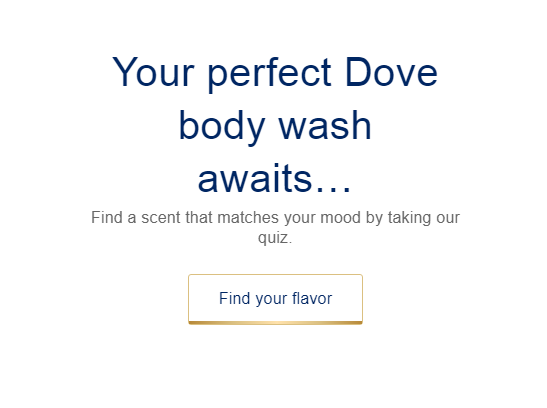
Check out how Dove uses a quiz to help their customers make more informed purchasing decisions.
Expand your product line or services
Once you have a loyal customer base, it’s time to offer them more.
If you sell skincare, consider launching complementary tools like facial rollers or cleansing brushes.
If you run a beauty salon, introduce premium treatments, VIP memberships, or subscription-based services.
Strengthen your brand with strategic partnerships
Collaboration can take your beauty business to new heights.
Explore the following options:
- Working with content creators who align with your brand to promote your products authentically.
- Collaborating with other beauty brands to create exclusive product bundles.
- Getting your products into high-traffic retail stores or salons.
Track your performance
Track the following business metrics to ensure your business is in the right lane:
- Revenue and profit. Revenue shows your total earnings, while profit reveals what you actually get to keep. This is a key metric that indicates your business’s financial health.
- Cost per acquisition (CPA). This measures how much it costs you to acquire a new customer.
- Return on ad spend (ROAS). This tracks the revenue generated for every dollar you spend on ads.
- Conversion rate. This indicates the percentage of your website visitors who take your desired action, like making a purchase or scheduling an appointment.
Conclusion
Starting a beauty business can be an exciting and rewarding venture. With the right approach, you can turn your passion for beauty into a successful brand.
Let’s reflect on the key steps to take to lift your business off the ground:
- Define your beauty business idea
- Create a business plan
- Consider legal and financial aspects
- Build your brand
- Create your beauty business website
- Set up an online presence
- Market your beauty business
- Scale the business
Whether you’re launching a skincare line, beauty salon, or makeup brand, success begins with a solid foundation. Remember to stay flexible, keep learning, and most importantly, enjoy the journey. Best of luck!

Ksenija is a digital marketing enthusiast with extensive expertise in content creation and website optimization. Specializing in WordPress, she enjoys writing about the platform’s nuances, from design to functionality, and sharing her insights with others. When she’s not perfecting her trade, you’ll find her on the local basketball court or at home enjoying a crime story. Follow her on LinkedIn.