How to make money online as a teen: Safe and legit ways to get started
Mar 27, 2026
/
By Alma
/
15 min Read

Making money online as a teen is possible through freelance work, content creation, selling products, reselling items, or completing small online tasks. Many platforms allow users under 18 to participate, although most require a parent or guardian to help verify accounts and handle payouts.
For teens, online side hustles offer a flexible way to earn extra cash without committing to a traditional job. Most options only require a phone, laptop, or internet connection and can fit around school schedules. The main challenge is age restrictions. Many platforms require parental consent for account verification or withdrawals, so it’s important to check the rules before signing up.
Most teen side hustles fall into these five buckets:
- Creating content. Build a following on YouTube, TikTok, or Twitch.
- Freelancing. Get paid for skills like tutoring, writing, or graphic design.
- Selling your own stuff. Turn your digital art or handmade gear into a shop.
- Reselling. Flip clothes or other items you no longer use for a profit.
- Small tasks. Grab quick wins by testing websites or taking surveys.
Each of these has different age limits and time commitments. Learning the difference – and knowing how to spot a scam – is the fastest way to start earning safely while building skills you can actually use later.
Method | Getting started | Early income | Best if you… |
Online surveys | Very easy | Very small | Want gift cards or small rewards with minimal effort |
TikTok | Easy | Inconsistent | Like recording short videos and experimenting with trends |
Reselling clothes | Easy | Small to moderate | Want faster cash from items you already own |
Handmade jewelry | Easy | Sales-dependent | Like making things with your hands |
Sell crafts | Easy | Small to moderate | Already make physical items as a hobby |
Website/app testing | Easy | Small, sporadic | Want short tasks when available |
YouTube | Easy to start, takes time to get comfortable | Zero at first | Like making videos and staying consistent |
Twitch | Easy to start, takes time to get comfortable | Zero at first | Enjoy live streaming and don’t mind low viewers early |
Online tutoring | Moderate | Steady, predictable | Do well in a subject and like explaining |
Freelance writing | Moderate | Starts small | Like writing and prefer working quietly |
Social media manager | Moderate | Small but steady | Understand Instagram or TikTok and like behind-the-scenes work |
Graphic design | Moderate | Project-based | Like visual work and clean layouts |
Digital products | Moderate | Zero, then scalable | Prefer creating once and selling downloads over time |
1. Start a YouTube channel
Starting a YouTube channel works best if you enjoy explaining, showing, or documenting what you already do and are okay with slow growth at the beginning.
Good for teenagers who:
- Like making and watching YouTube videos
- Like video games, studying, art, or explaining things
- Prefer recording videos instead of going live
- Have a phone or camera they can use
- Already know or are willing to learn basic editing
Make videos about your hobbies, skills, or interests you already have – gaming tutorials, study routines, art time-lapses, fitness progress, or simple how-to content.
Early videos don’t need to look professional. Clear audio, a focused idea, and being helpful matter more than fancy edits. This kind of content creation for teens fits well around school and improves with practice.
Most ways to make money on YouTube come later. The income usually comes from ads, brand sponsorships, and affiliate links. Ad revenue only starts after you qualify for the YouTube Partner Program, which requires meeting YouTube’s subscriber and watch-time thresholds. Before that, income is usually very small – or zero – and that’s normal.
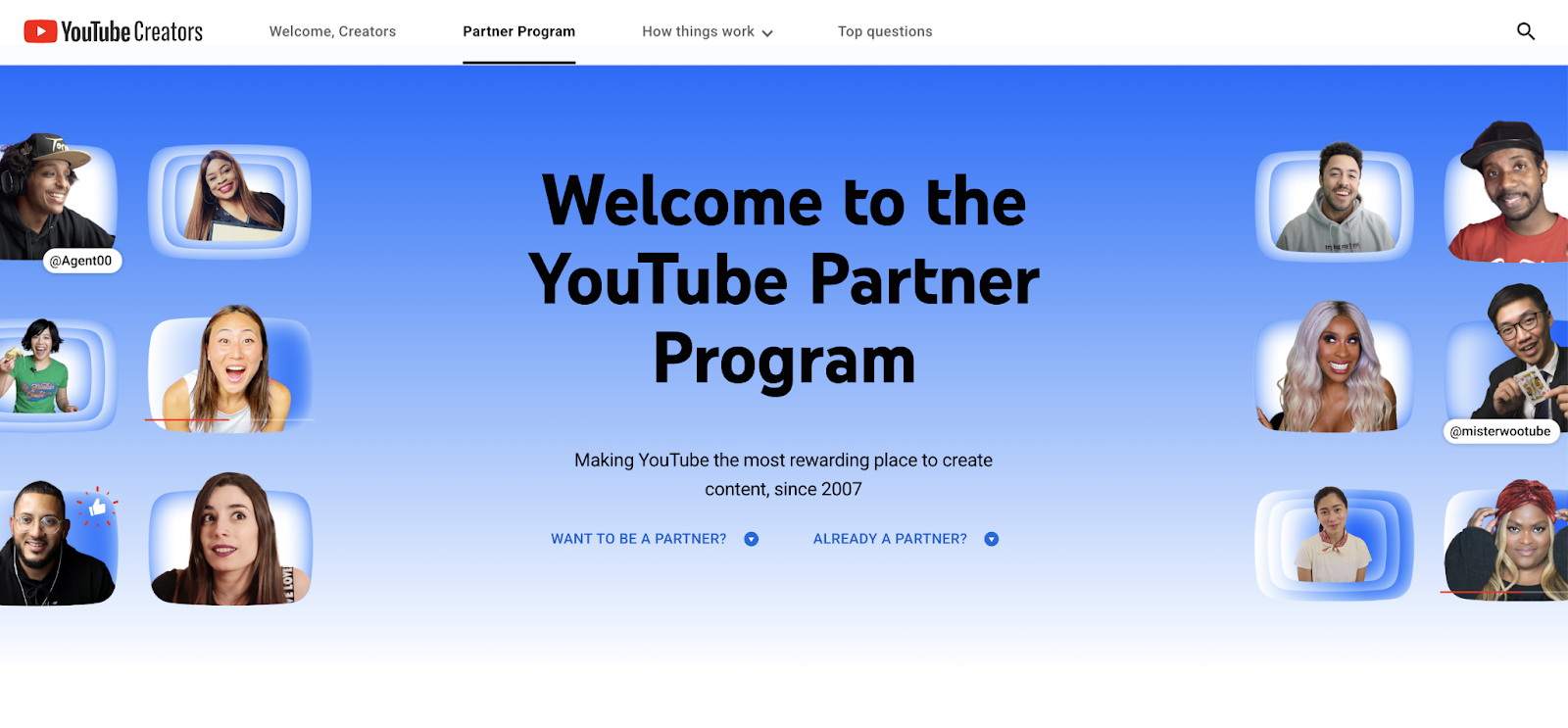
YouTube allows accounts for users aged 13 or older. A parent or guardian must manage the AdSense account and receive payments if you’re under 18.
Growth on YouTube is slow and comes from consistent posting and gradual improvement, rather than fast results.
What your day looks like
You might film once or twice after school, edit on the weekend, and upload one video per week. Views stay low at first. Even before earning anything, you’re building skills like video editing, communication, and time management.
2. Start a TikTok account
Starting a TikTok account lets teens earn online by posting short, trend-driven videos that are quick to create and easy to test.
Good for teenagers who:
- Already use TikTok and understand its style
- Like trends, humor, or quick creative ideas
- Are okay being on camera or posting casual clips
- Have a phone with a decent camera
- Prefer fast experiments over long edits
Post short-form videos based on things you already do – art process clips, relatable school humor, quick tips about a hobby, outfit ideas, or gaming highlights. You don’t need advanced editing. Clear visuals, a strong hook in the first few seconds, and posting regularly matter most for a teen content creator.
Most of the income teen creators earn on TikTok comes from brand deals, affiliate links, or partnerships. TikTok’s official monetization programs require creators to be 18 or older, so if you want to make money on TikTok under 18, income typically happens off the platform.
TikTok allows accounts from age 13, but parents or guardians often help with contracts and payments when brands and sponsorships are involved.
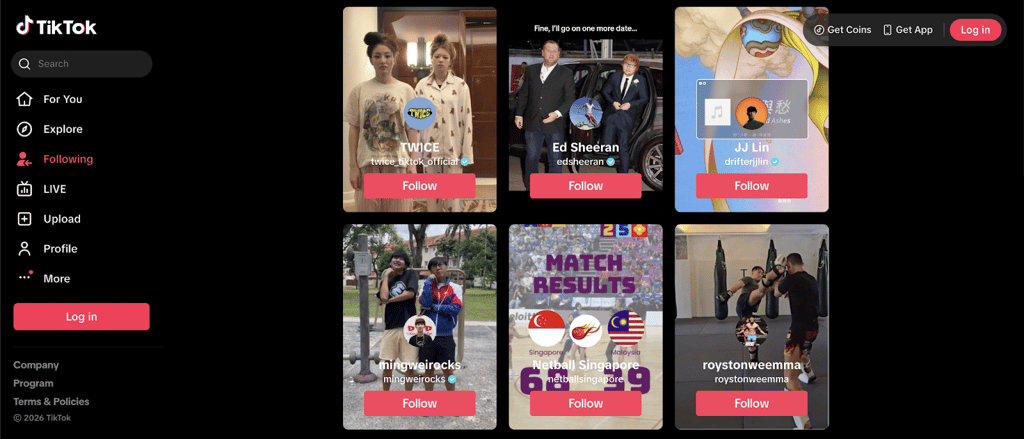
Income is inconsistent early on. One video might get a few hundred views, another might get thousands. That unpredictability is normal on TikTok, so it’s best treated as a place to test ideas rather than as a source of steady income.
What your day looks like
You film quick clips on your phone – sometimes in under 10 minutes – and post regularly. Most of your time goes into experimenting and learning what people watch, skip, or share.
3. Become a Twitch streamer
Becoming a Twitch streamer makes sense if you already enjoy gaming or creating and don’t mind doing it live, even when very few people are watching.
Good for teenagers who:
- Like video games, drawing, or making music
- Enjoy talking while doing something live
- Are comfortable being on camera for longer periods
- Have a computer or console and stable internet
- Don’t mind starting with very small audiences
As a Twitch streamer, you stream games, art sessions, or music practice while talking to viewers in real time. Once you qualify for Twitch Affiliate or Partner, you can earn through subscriptions, donations, and tips. This is a common way teens try to make money gaming online, but growth is slow at first.
Twitch allows streamers from the age of 13. If you’re under 18, you need parental permission to monetize and set up payment.
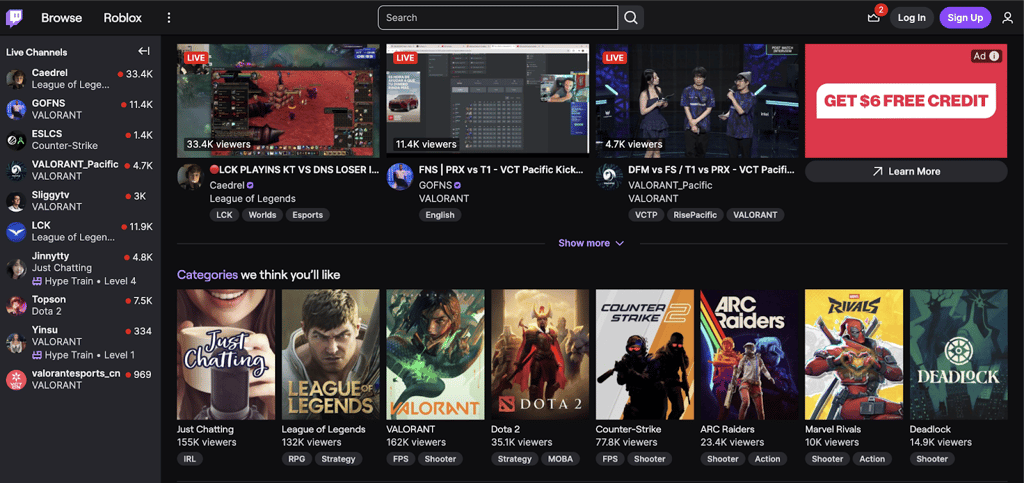
Early streams often feel quiet. You might stream to a few viewers – sometimes just friends or random drop-ins – before earning anything. That’s normal. Streaming income grows when you show up consistently, stream at the same times, and interact even when chat is slow.
Once you’re consistent, you can learn how to monetize your Twitch streams more effectively by improving your setup, timing streams better, and gradually adding monetization options.
What your day looks like
You stream two or three times a week after homework, usually for one to three hours. Progress feels slow at first. Over time, familiar usernames appear, conversations last longer, and support grows because you stayed consistent.
4. Offer online tutoring services
Online tutoring is one of the most reliable ways for teens to earn money online because it’s structured, predictable, and fits easily around school.
Good for teenagers who:
- Do well in subjects like math, science, or languages
- Like helping classmates or younger students
- Prefer one-on-one conversations
- Are comfortable with video calls
- Want set hours instead of chasing views or clients
As a teen tutor, you help younger students or classmates with homework, test prep, or reviewing concepts you already understand. Because you’re teaching subjects you know, tutoring feels more like explaining than “working,” which makes it easier to stay consistent during the school year.
You can offer online tutoring through video calls or chat. Many tutoring platforms allow teens with parental consent, or you can tutor independently through referrals from parents, teachers, or classmates. Starting small is normal – one or two students is enough at first.
A common setup is tutoring one to two hours after school, a few days per week. Informal starting rates range from $15 to $25 per hour, depending on the subject and grade level. That makes tutoring a solid side hustle if you want a steady income without guessing what will work.
If you want to properly start an online tutoring business, you’ll need to learn how to organize sessions, payments, and schedules.
What your day looks like
You log on after school, tutor one student for 60 minutes, take a short break, then tutor another. Sessions usually follow a simple plan – homework questions, practice problems, or reviewing material before a test. You know your schedule in advance, payments are predictable, and you’re done without needing to post content or wait for results.
5. Offer freelance writing services
Freelance writing works well for teens who like explaining ideas in writing and prefer working quietly on their own.
Good for teenagers who:
- Like writing essays, stories, or captions
- Prefer typing over talking
- Like working quietly on their own
- Have access to a laptop or tablet
- Don’t want to be on camera
As a teen freelance writer, you might write blog posts, social media captions, short articles, or product descriptions for small businesses and websites. Many beginner writing jobs are straightforward and don’t require expert knowledge – you learn as you go.
Some freelance platforms, like Fiverr, allow teens aged 13 and up to offer services, but a parent or guardian has to create and manage the account and handle payments.
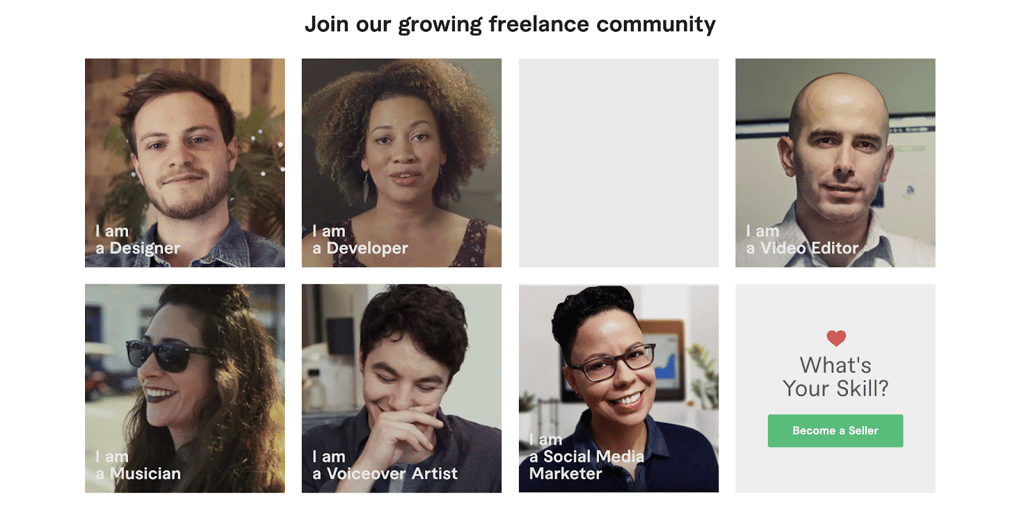
Some teens also find clients through school clubs, local businesses, or online communities.
Writing samples matter more than experience. You can use school assignments, rewritten blog posts, or writing you’ve done for a club or project as a simple portfolio.
A realistic first project might be three 300-word product descriptions for $20. At first, that might take two hours. After a few projects, the same task might take under an hour. Early on, you’re trading speed for experience – and that’s expected.
The money starts small, but every project makes the next one easier. You’re building a skill that carries into marketing, content creation, and future professional writing, even if you stop freelancing later.
What your day looks like
You research the topic, outline a few points, write, and then edit before submitting. Some days you’ll have no work. Other days, you’ll handle one or two small assignments. Deadlines are clear, and most work can be done after homework or on weekends.
6. Complete online surveys
Online surveys let teens earn small rewards by completing short tasks, but they work best for extras, not high income.
Good for teenagers who:
- Like very simple tasks
- Only have a phone and internet
- Are okay earning gift cards instead of cash
- Want small rewards, not steady income
- Prefer short tasks during downtime
With paid surveys, you answer questions about products, apps, or habits in exchange for points or rewards. Most survey platforms that allow teens don’t pay cash. Instead, you usually redeem points for gift cards, which makes this better for small purchases than saving money.
Payouts are slow and limited. Many platforms require you to reach a minimum – often $5–$10 – before redeeming rewards. Some surveys take just a few minutes. Others screen you out after one or two questions. That’s normal with survey sites.
The biggest mistake is expecting surveys to replace a job. They won’t – but they’re low-effort and low-risk if you keep expectations realistic.
Some platforms allow teens as young as 13, while others require parental consent or shared accounts.
What your day looks like
You complete surveys during downtime, like 10–15 minutes after homework or while waiting for practice to start. You might earn a couple of dollars’ worth of points in a day, then wait a week or two to reach the minimum payout.
7. Sell handmade jewelry online
Selling handmade jewelry works best if you already enjoy making things and want to turn that hobby into income without rushing the process.
Good for teenagers who:
- Like crafts and hands-on hobbies
- Like making earrings, bracelets, necklaces, or rings
- Enjoy experimenting with designs and materials
- Don’t mind making the same item more than once
- Prefer creating things over interacting with people
If you want to sell jewelry online as a teen, start with simple, repeatable designs. Many beginners build a handmade jewelry business by focusing on clean, basic pieces rather than complex ones. This improves naturally with practice, so stay consistent.
Most setups require a parent or guardian to manage the Etsy or Shopify account and payments, while you handle making jewelry, taking photos, and packing orders.
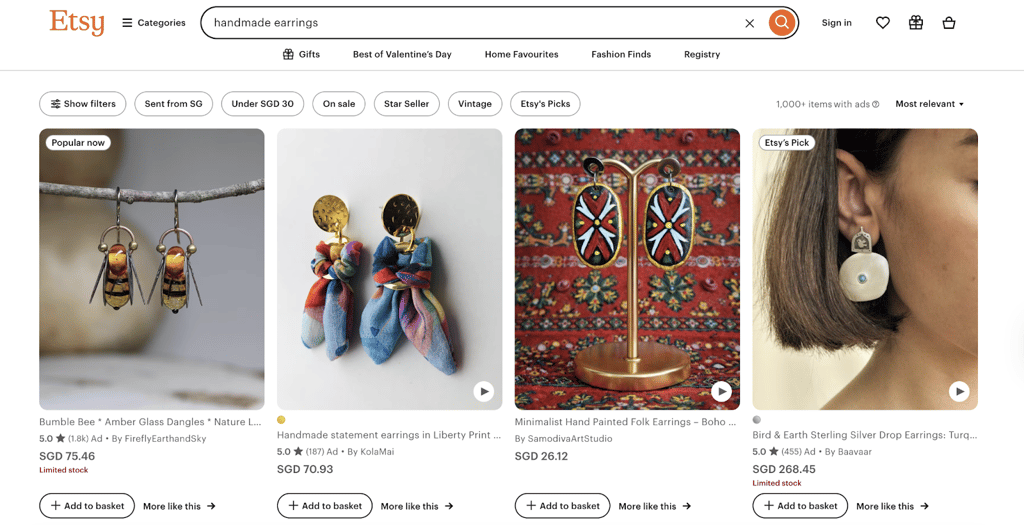
For pricing, you need to account for materials, your time, and platform fees – not just charge what feels fair. For example, platforms like Etsy take a transaction fee on each sale, so that cost needs to be built into your price to avoid losing money.
Presentation also matters more than many people expect. Clear photos in natural light, simple backgrounds, and neat packaging often matter more than having lots of designs.
Before listing your first item, learn the basics of selling jewelry online so you can price and present your work properly.
What your day looks like
You make jewelry a few evenings a week, often while watching videos or listening to music. On the weekend, you photograph new pieces and update listings. When orders come in, you pack them neatly and ship them together in batches.
8. Become a social media manager
Social media management is a good option if you understand platforms like Instagram or TikTok, but don’t want to be the main creator yourself.
Good for teenagers who:
- Like Instagram or TikTok, but don’t want to post their own face
- Can write captions or short bits of text
- Don’t mind replying politely to comments or DMs
- Enjoy noticing what posts perform well and why
- Prefer behind-the-scenes work
As a teen social media manager, you help someone else stay consistent online. This means working with small or local businesses – like a café, gym, salon, or school club – and managing their social media presence.
Your tasks often include posting regularly, writing captions, replying to comments or messages, and keeping things organized.
Most teens begin informally, often through family connections or local referrals. A small business might pay around $50 per month for a few posts per week and basic engagement. That usually adds up to a few hours of work spread across the week, which fits well alongside school.
This role builds useful experience quickly. Screenshots of posts you managed, proof of consistent posting, and small improvements in engagement all become examples you can show later – even if you don’t stay in social media long term.
What your day looks like
You spend a few minutes each day checking messages or comments. Once or twice a week, you batch posts, write captions, and schedule content so nothing gets forgotten.
9. Sell crafts online
Selling crafts online works well if you already make physical items and want to test selling without turning it into a full-time commitment.
Good for teenagers who:
- Already enjoy making things like candles, crochet, art, or décor
- Prefer selling finished items instead of custom orders
- Like working at their own pace
- Want control over what and how much they make
- Are okay with sales starting slowly
If you sell crafts online as a teen, start small and use materials you already have. Many beginners build a craft business by listing limited quantities of handmade crafts for sale instead of taking unlimited orders. This keeps costs low and makes production easier to manage around school.
Most teens sell crafts through platforms like Etsy or informally through Instagram. In many cases, a parent or guardian helps manage storefronts or payments, while you focus on creating, packaging, and shipping items.
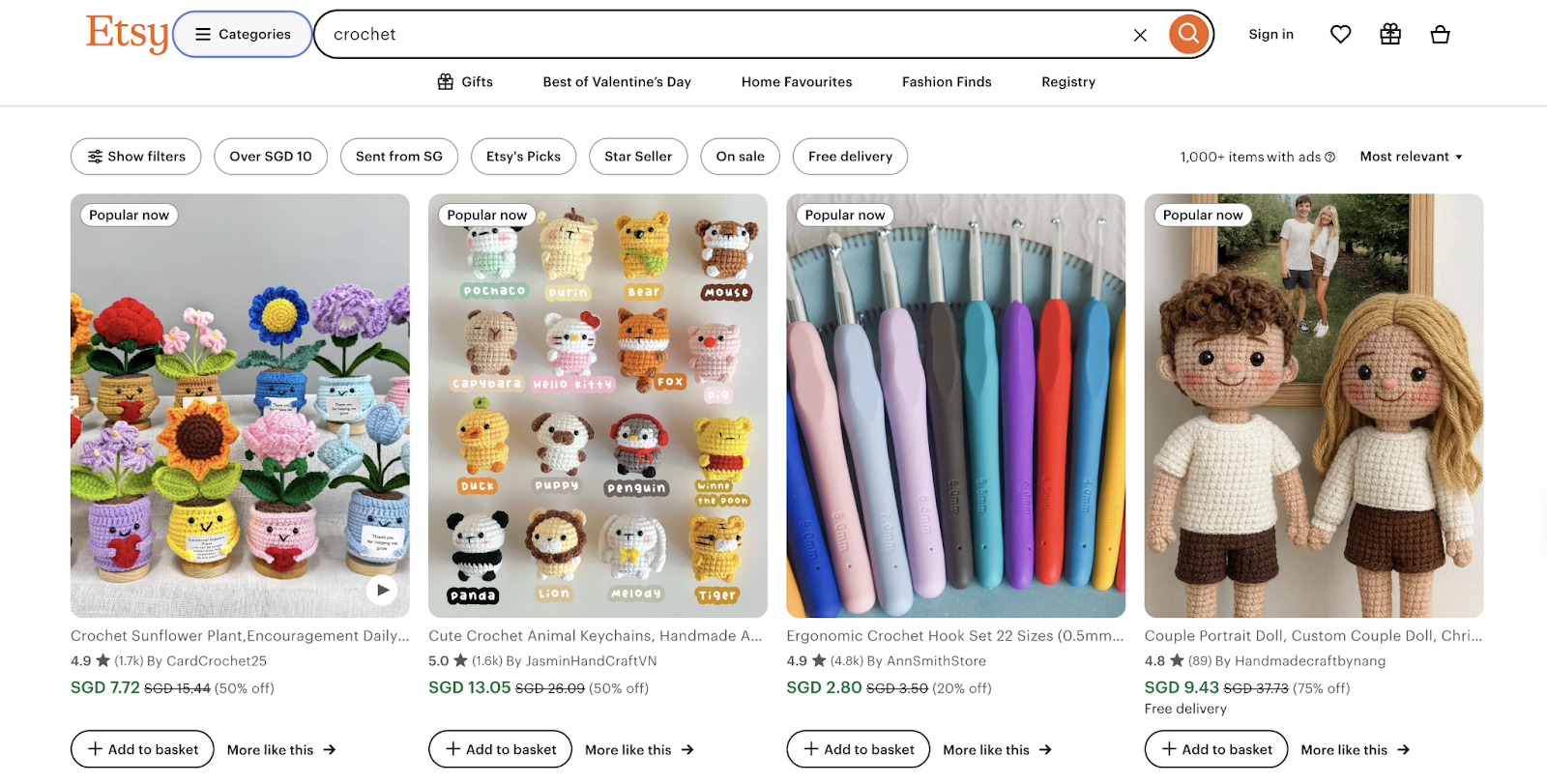
Production time is the biggest limit – school naturally caps how much you can make each week.
Packaging, quality, and communication matter more than variety. Buyers are more likely to return when items arrive intact, match the photos, and updates are clear and polite.
If you’re unsure what to make first, browse craft ideas filtered by difficulty, materials, and demand to find handmade crafts that sell well and fit your schedule.
What your day looks like
You make a small batch during one or two evenings – for example, a few candles or a couple of crochet items. On the weekend, you photograph them, list them, and wait. When orders come in, you pack and ship them together.
10. Offer freelance graphic design services
Freelance graphic design is a good fit if you like visual work and enjoy making things look clean, clear, and organized.
Good for teenagers who:
- Like drawing, visuals, or design
- Enjoy tools like Canva or design apps
- Prefer visual work over writing
- Have a phone, tablet, or laptop
- Don’t want to be on camera
As a teen freelance graphic designer, you create simple visuals like YouTube thumbnails, basic logos, flyers, or social media graphics. Many beginner jobs are small and specific, which makes this a practical way to start earning while learning.
You don’t need advanced software to begin. Canva is enough for most early projects. What matters more is following instructions, communicating clearly, and delivering on time. A realistic first project might be five YouTube thumbnails for $30. If each takes about 30 minutes, that works out to roughly $10–$12 per hour, which is normal when you’re starting.
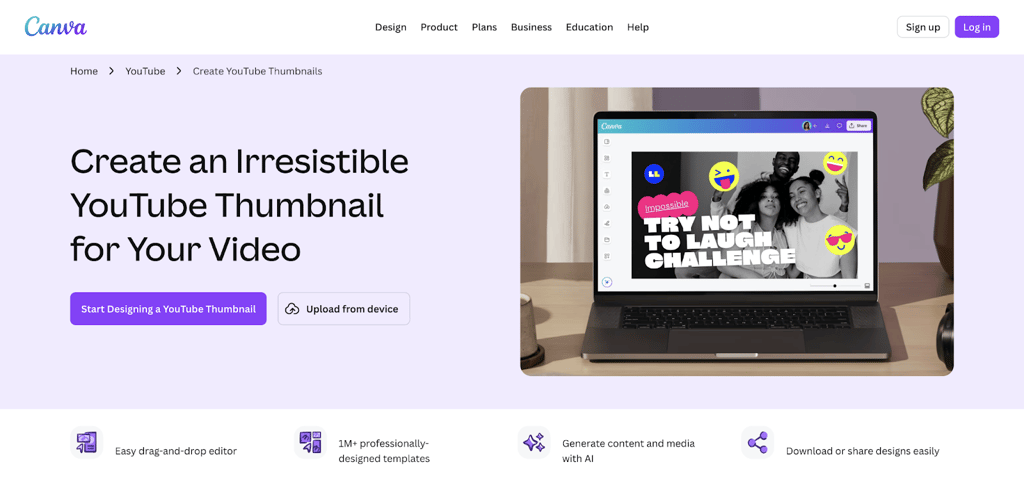
A few finished examples are typically enough to get started. Five finished designs you can show are more useful than twenty unfinished concepts. Many teens build samples by designing for friends, school clubs, or small creators before charging higher rates.
Over time, you get faster, more confident, and better at spotting what actually works visually – a skill that carries into marketing, branding, and content creation later.
What your day looks like
You receive a request, clarify what the client wants, and design a first version. After feedback, you revise and deliver the final files. Most projects take one to three days. Some weeks you’ll have no work. Other weeks, you might juggle two small projects.
11. Resell clothes or unwanted items online
Reselling is one of the quickest ways for teens to turn existing items into cash, since you’re selling things you already have rather than making something new.
Good for teenagers who:
- Like fashion and thrifting
- Enjoy finding, sorting, or flipping items
- Have clothes or items they don’t use anymore
- Want faster results than making products
- Prefer practical work over creative work
If you want to sell clothes online as a teen, you can start by cleaning out your closet – hoodies you outgrew, jeans you never wear, shoes that don’t fit anymore. Selling old clothes for money is often the easiest first step, and that first sale is motivating.
Take this a step further, you can also resell by buying items at thrift stores or garage sales and listing them on platforms like Depop, Poshmark, or Mercari. This keeps startup costs low while you learn what sells.
Pricing is where many beginners struggle. A hoodie bought for $4 might sell for $18, but platform fees reduce your profit. Always check what similar items actually sell for and price based on condition and demand, not personal attachment.
Stick to trusted resale platforms and keep your personal details private. Certain items tend to sell faster, such as vintage tees, Y2K jeans, and specific sneaker brands.
What your day looks like
You source items from your closet or a thrift store, take clear photos, write simple descriptions, and list them. When something sells, you pack it and ship it out. Reselling works in bursts – one week you might sell nothing, another week you might sell several items.
For example, if an item nets you about $7–$9 after platform fees and shipping, selling ten items in a month puts you roughly in the $70–$90 range.
12. Test websites and apps online
Website and app testing pays teens to try websites or apps and give feedback on what feels confusing or easy to use.
Good for teenagers who:
- Like trying new apps or websites
- Are quick to notice when something feels confusing
- Are okay recording their screen or voice
- Prefer short, one-time tasks
- Have a phone or computer
With website testing, you might click through a site, try to complete a task, and explain what felt easy or frustrating. App testing works the same way. Some tests ask you to speak out loud while recording your screen. Others only require written feedback.
You don’t need technical skills. Companies aren’t testing your knowledge – they’re testing usability. Feedback like “I didn’t know where to click” is exactly what they want.
Some platforms require you to be 18, but others allow ages 13–17 with parental permission. Tests often pay $10–$60, depending on length, and usually last 10–60 minutes. However, tests aren’t consistent, and you won’t get invites every day.
Payments are also delayed. Many platforms release payouts 7–14 days after a test. This works best as occasional side income, not something to rely on weekly.
What your day looks like
You receive a test invite by email or notification. If you qualify, you complete it in one sitting and submit your feedback. Some weeks you might do two tests. Other weeks, none.
13. Create and sell digital products
You can earn online by selling downloadable files without trading time for money every day. This is one of the most scalable online business models for teens.
You create the digital product once, and it can sell many times without extra work. That makes this one of the most flexible long-term options on the list.
Good for teenagers who:
- Like making things on their laptop (designs, templates, notes, layouts)
- Prefer working alone instead of talking to customers every day
- Don’t want to show their face or be on social media
- Would rather upload a file than mail something
- Are okay if it takes time before anyone buys
If you want to sell digital products, you can create digital downloads for sale, like planners, templates, or printables. To create these, most beginners use free tools like Canva, which keeps startup costs close to zero.
Many teens sell through platforms like Etsy, Gumroad, or their own simple storefronts. Most require users to be 18 to handle payments, so a parent or guardian manages the account.
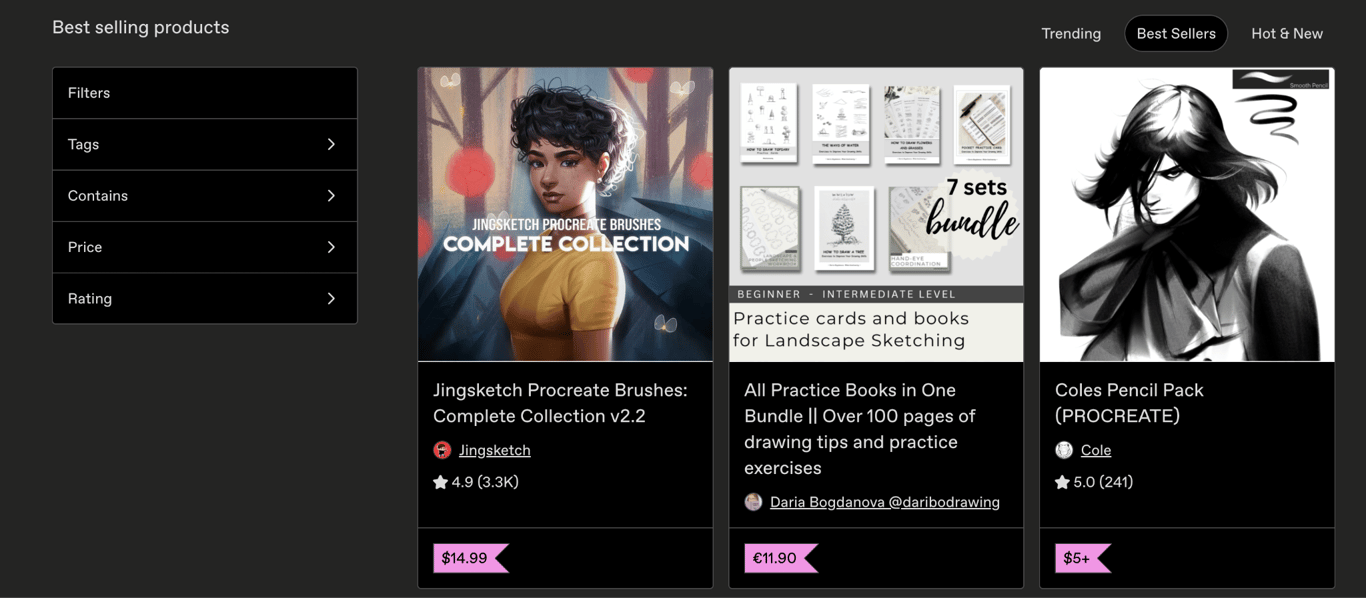
If you prefer to set up your own shop, using a website builder is the fastest way to get started. It lets you upload your digital files and handle payments without writing any code.
No matter which platform you choose, your sales in the first few months will likely be inconsistent. You might go weeks without a single order, then suddenly get five in one day. That doesn’t mean the product failed – it often means the listing needs clearer previews, better descriptions, or more time to be discovered.
What your day looks like
Most of your time goes into creating and improving the product – designing pages, testing layouts, and writing clear instructions. After launch, maintenance is light. You might update a listing, respond to a question, or tweak a design based on feedback.

What are some important tips for teens who want to make money online?
Making money online as a teen works best when you’re patient, consistent, and realistic. Most people start small, learn as they go, and build up over time. That’s normal – and expected.
Online income under 18 is usually part-time or supplemental. The goal isn’t to replace school or rush results. It’s to learn how online work actually works, safely.
Here are tips to help you avoid common mistakes, stay protected, and get more value out of the time you put in.
Focus on learning skills, not just quick money
If you focus only on fast cash, you’ll hit a ceiling quickly. If you focus on learning skills like writing, design, editing, tutoring, or content creation, each project makes the next one easier – and usually a little better paid.
That’s because skills stack. When you design YouTube thumbnails, for example, you’re not just earning a small freelance fee. You’re learning how to grab attention, organize information visually, and communicate clearly – skills that show up again in social media, marketing, and your own projects later.
Think of your first few months as paid practice. Even small earnings matter if you’re getting faster, more confident, and better with each project.
Get parental permission and support early
Most platforms require parental permission if you’re under 18, especially for payments, contracts, or shared accounts. Getting that support early makes everything easier.
Instead of a vague plan, have a clear conversation. For example, “I want to try freelance writing. Can we set up an account and have payments go through your PayPal?”
Your parents don’t need to run the work. They just need visibility and control over the money side. That keeps things safe, compliant, and less stressful if something goes wrong.
Avoid scams and unrealistic promises
If something promises fast, guaranteed money, it’s often not real.
Common red flags include:
- “Guaranteed income” claims
- Paying upfront for “training” or “starter kits”
- Requests for banking details before any work
- Claims that require no effort or skills
Before signing up anywhere, search the platform name plus “scam” or “reviews.” This is one of the easiest ways to avoid job scams online and find legit online jobs for teens that actually pay.
Balance online work with school and personal life
Balancing school and online work matters more than squeezing out an extra $50 in a busy month. Strong time management for teens keeps online work sustainable.
A simple rule works well:
School, sleep, and health come first. Online work fits into the leftover time.
If online work starts hurting grades or sleep, scale it back. Set limits – often 5–10 hours per week is plenty during the school year. This kind of online work-life balance helps you avoid burnout and keep earning in the long term.
How to turn your online earnings into an online business
Once you start making money, you don’t need to rush out and register a company or hire a team. At this stage, “business” just means figuring out how to grow your skills. It’s about looking at what you’re already doing – like tutoring, making digital art, or editing videos – and seeing how to do it more efficiently.
The goal right now is to understand the “how” behind the money. When you learn the basics of starting an online business, you start seeing how one-off sales can turn into a steady stream of income. It helps you move from just “doing tasks” to “building a system” that works even when you’re busy with school.
There’s no pressure to get big overnight. For now, just focus on being curious and seeing how things connect. The more you learn about how these platforms and systems work today, the easier it will be to make smart, profitable choices as you get older.
This article is a localized version of How to make money online as a teen: Safe and legit ways to get started, originally published in English.
All of the tutorial content on this website is subject to Hostinger's rigorous editorial standards and values.

Alma is an AI Content Editor with 9+ years of experience helping ideas take shape across SEO, marketing, and content. She loves working with words, structure, and strategy to make content both useful and enjoyable to read. Off the clock, she can be found gaming, drawing, or diving into her latest D&D adventure.