What is IPTV? Understanding Internet Protocol Television
Mar 10, 2026
/
Valentinas C.
/
5 min Read
IPTV is a method of delivering television content through internet protocols instead of traditional cable or satellite formats. It enables users to watch live broadcasts, stream video-on-demand (VoD), and access time-shifted programming from any internet-connected device – all without antennas or decoders.
This guide explains how IPTV works, covers the main streaming formats it uses, and explores the benefits and drawbacks of IPTV for consumers and businesses alike.
How does IPTV work?
IPTV delivers television content over the internet rather than through traditional broadcast methods. IPTV relies on several key components to function effectively.
To implement an IPTV service, a provider needs access to various content sources, like a live TV channel and on-demand videos. Then, encoding systems will convert this content into compressed data. These compressed video and audio signals are then sent through a dedicated group of servers that efficiently distribute the data to users while ensuring stable transfers. Finally, a streaming server delivers the streaming data to users over the internet.
For more information, check out our tutorial on how to start a streaming server.
To enjoy IPTV, end-users need a few things:
- A reliable internet connection – essential for streaming.
- Access to software that will manage the IPTV channels to which you are subscribed.
- A set-top box, which is a device that receives and decodes the IP packets to a signal a TV screen can display.
Alternatively, users can skip the set-top box and use apps on their smart TVs, computers, or mobile devices to stream IPTV video content directly.
What are the types of IPTV?
IPTV broadcasting models can be categorized into several main types.
Live TV
Live TV in an IPTV context refers to streaming television broadcasts in real time over the internet, similar to traditional TV. Unlike traditional TV, live IPTV channels allow viewers to watch from anywhere, as long as they have internet access – users may even pause or rewind live broadcasts.
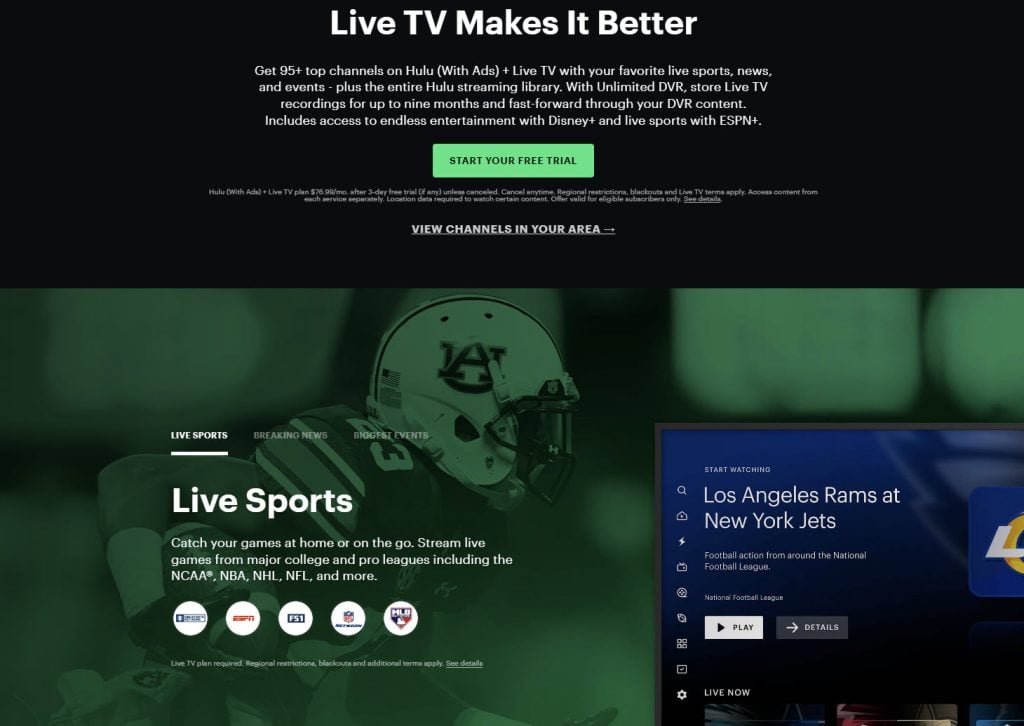
Here are well-known examples of live IPTV services:
- Hulu + Live TV offers a wide range of live channels and on-demand content.
- YouTube TV provides numerous live TV channels and unlimited DVR storage.
- Sling TV has budget-friendly subscription plans.
- AT&T TV offers live TV and on-demand content that users can stream simultaneously on up to 20 devices.
- Philo focuses on entertainment and lifestyle channels at a lower cost.
Time-shifted TV
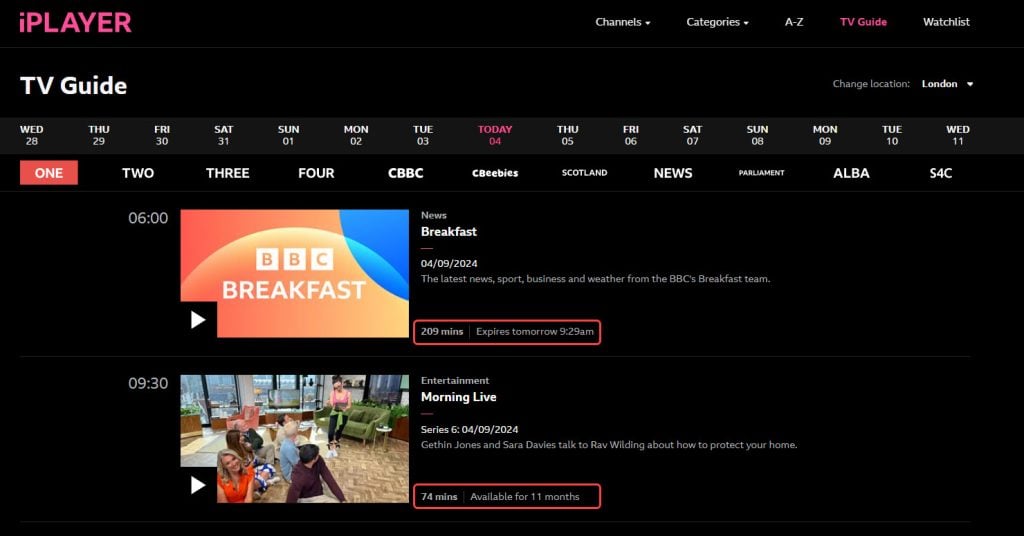
Time-shifted IPTV, also known as catch-up TV, allows users to watch previously broadcasted shows at a later time. This feature differs from Video on Demand (VOD) since catch-up TV typically only offers content for a limited period after the original broadcast. For example, users can watch a show that aired yesterday but only for the next few days before it expires.
These providers make it easy for users to catch up on favorite shows at their convenience:
- BBC iPlayer offers catch-up TV for BBC channels, where viewers can watch shows they missed for up to 30 days.
- Hulu provides time-shifted TV along with its live TV and on-demand services.
- SuperBOX supports a time-shift function that lets users pause, rewind, and fast-forward live TV.
Video on Demand (VOD)
This type of IPTV is the most recognizable and common, as well as a popular option for those looking to start a streaming service. VOD services allow users to select and watch video content whenever they want. This includes movies, TV shows, and other multimedia content that can be streamed instantly over the internet.
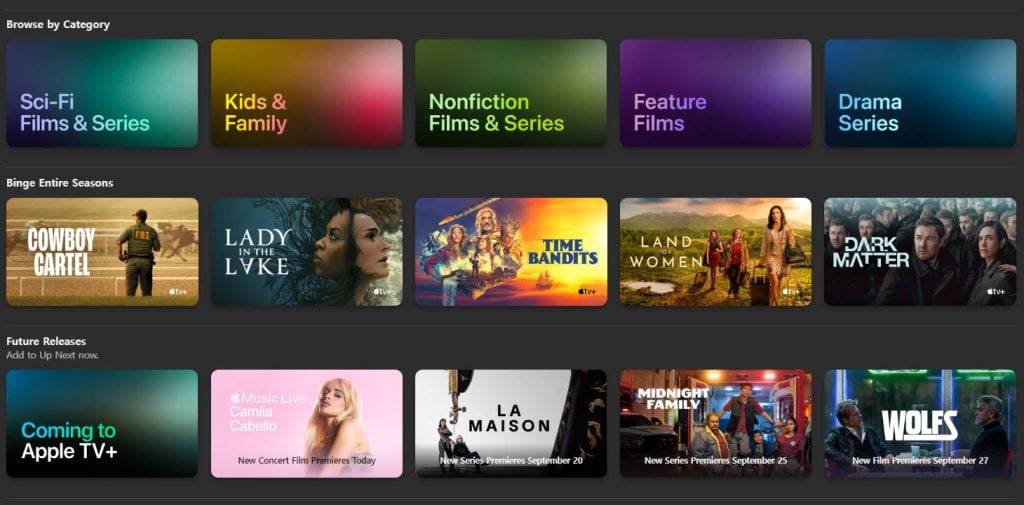
Examples of top VOD streaming services:
- Netflix is known for its vast library of movies, TV shows, and original content.
- Amazon Prime Video offers exclusive access to Amazon Originals and benefits like free shipping on Amazon purchases.
- Disney+ features a large collection of beloved franchises like Pixar, Marvel, Star Wars, and more.
- Max offers a selection of critically-acclaimed HBO series, movies, as well as Warner Bros. and DC Universe content.
- Apple TV+ is dedicated to high-quality original programming and seamlessly integrates with devices and services in the Apple ecosystem.
- Hulu combines its VOD offer with live and time-shifted TV under one service.
Near Video on Demand (NVOD)
NVOD allows users to watch scheduled broadcasts of movies or shows at different time intervals. Unlike true VOD, NVOD offers multiple start times for the same program. Think of it like an online movie theater.
It can also be a great source of revenue since ads can be included at interval breaks of the NVOD’s programming schedule. This, in turn, allows providers to offer minimal subscription fees that benefit their users.
DirecTV and Dish Network provide NVOD services to their rural customer base, who might only have access to slower dial-up and non-5G satellite internet options.
What are the pros and cons of IPTV?
IPTV services offer a modern, flexible way to enjoy television, but it’s essential to weigh the pros and cons first:
Pros
- Instead of relying on scheduled programming, users can watch their favorite shows anytime, anywhere, and on any device.
- Access to a variety of free and paid streaming services, TV channels, and on-demand media that span live events, vast movie libraries, and serialized content.
- Features like pause, rewind, and fast-forward without the need for set-top box hardware, complicated setups or additional cloud storage fees.
- With a reliable broadband connection like fiber optic cable, IPTV technology offers 4K streaming, surround sound, and high-bitrate content..
Cons
- A stable and fast internet connection is crucial. Poor connectivity leads to buffering, interruptions, and low-resolution streaming.
- Some IPTV providers operate in a legal gray area, bypassing regional copyright laws and distribution deals. It’s important to choose reputable IPTV services.
- While often cheaper than traditional cable television formats, an IPTV service can still be pricey, especially with premium subscription tiers or a lack of bundles. A TV plan usually covers dozens of channels and broadcasters. A single streaming subscription usually only offers television content made by a few broadcasters.
- Most IPTV streaming services limit the number of simultaneous broadcasts to a few devices.
Suggested reading
If you’re looking to step into the industry yourself, make sure to read our tutorial on starting an IPTV service.

Conclusion
IPTV offers a new way of watching TV – unlike traditional cable or satellite TV, it delivers content over the internet, eliminating the need for physical decoders or antennas.
IPTV relies on a stable internet connection and advanced networking infrastructure, which can pose some implementation challenges for service providers. However, it more than makes up for it with its flexibility, vast content libraries, interactive features, and high-quality streaming.
While starting a streaming business may seem challenging at first, the demand for this service makes it a profitable endeavor.
If you have any questions, check out the related articles and feel free to leave a comment below.
What is IPTV FAQ
How is IPTV different from traditional TV?
IPTV services stream live and on-demand TV over the internet, offering flexible viewing options. Traditional TV services use terrestrial, satellite, or cable technologies to broadcast scheduled programming that must be watched live or recorded. When choosing between the two, consider viewing habits and access to high-speed internet.
Is IPTV free?
IPTV can be both free and paid. There are free IPTV apps and services available that offer live TV and on-demand content without a subscription, like LiveNet TV or StreamFire. However, most IPTV services require a monthly fee, often providing higher-quality streams and content.
Is IPTV worth paying for?
Paying for IPTV helps ensure a wide range of high-quality content and a reliable service. However, it’s essential to choose a reputable provider. Paid IPTV services are more likely to be legitimate and compliant with copyright laws, reducing the risk of streaming service interruptions.

Valentinas Čirba, Hostinger's Head of VPS, is a seasoned product leader specializing in VPS products with over ten years of experience. He's an expert at setting product strategy, leading cross-functional teams, and making smart decisions to deliver innovative solutions. Valentinas is committed to creating products that not only meet business objectives but also truly serve the customer. Follow him on LinkedIn.