Sell digital products online: A complete guide
May 20, 2026
/
Simon L. & Miglė C.
/
10 min Read
Digital products are products you can sell and deliver online without shipping a single physical package. These include ebooks, online courses, templates, software, and music, among others.
They’re one of the best ways to build an online business because you don’t need inventory, warehouses, or shipping labels, and once you’ve created something, you can sell it over and over again with almost zero extra cost.
The process is pretty straightforward:
- Find your niche. Figure out what people actually want and where your skills or interests overlap with that demand.
- Create a high-quality digital product. Build something people will genuinely find useful and get feedback from a small group before you go all in.
- Choose where to sell. You can list on a marketplace, set up your own online store, or both.
- Promote your products. Use content marketing, social media, email, and SEO to get your product in front of the right people.
The most profitable digital products right now are online courses, ebooks, software, and templates. The best part is that they can keep generating income long after you’ve finished making them.
Types of digital products to create and sell
There’s a huge variety of digital products, and they’re among the most popular ways to make money online. You can go deep on one category or mix and match depending on what you’re good at and who you’re trying to reach.
- Ebooks and PDFs. Written guides, tutorials, recipe books, how-tos – anything you can put into a document and sell. Works in just about every niche.
- Online courses. Pre-recorded video lessons, quizzes, and downloadable materials that students work through on their own schedule.
- Digital memberships. Recurring-fee access to exclusive content, communities, or perks. Think premium newsletters, members-only video series, or behind-the-scenes access.
- Music and art. A great way to turn a creative hobby into income. Sell original tracks, sound effects, beats, stock photos, illustrations, or designs.
- Online services. Monetize your expertise directly with website design, social media management, copywriting, coaching, and consulting.
- Templates. Pre-made documents, designs, resumes, social media kits, or presentations that save people time. Simple to create, easy to sell.
- Software. Apps, plugins, tools, or website themes that solve a specific problem. Higher barrier to entry, but the earning potential is huge.
31 digital products to sell
Now that you know the categories, here are 31 specific product ideas to get you started:
Ebooks and PDFs
With minimal production costs, the margins on ebooks and PDFs are excellent. You can sell ebooks through Amazon Kindle Direct Publishing or Payhip, and PDFs through Gumroad or your own website.
1. Ebooks and digital guides. Create ebooks or reference guides on topics people keep coming back to, such as travel guides, recipe collections, personal development playbooks, or business strategy guides.
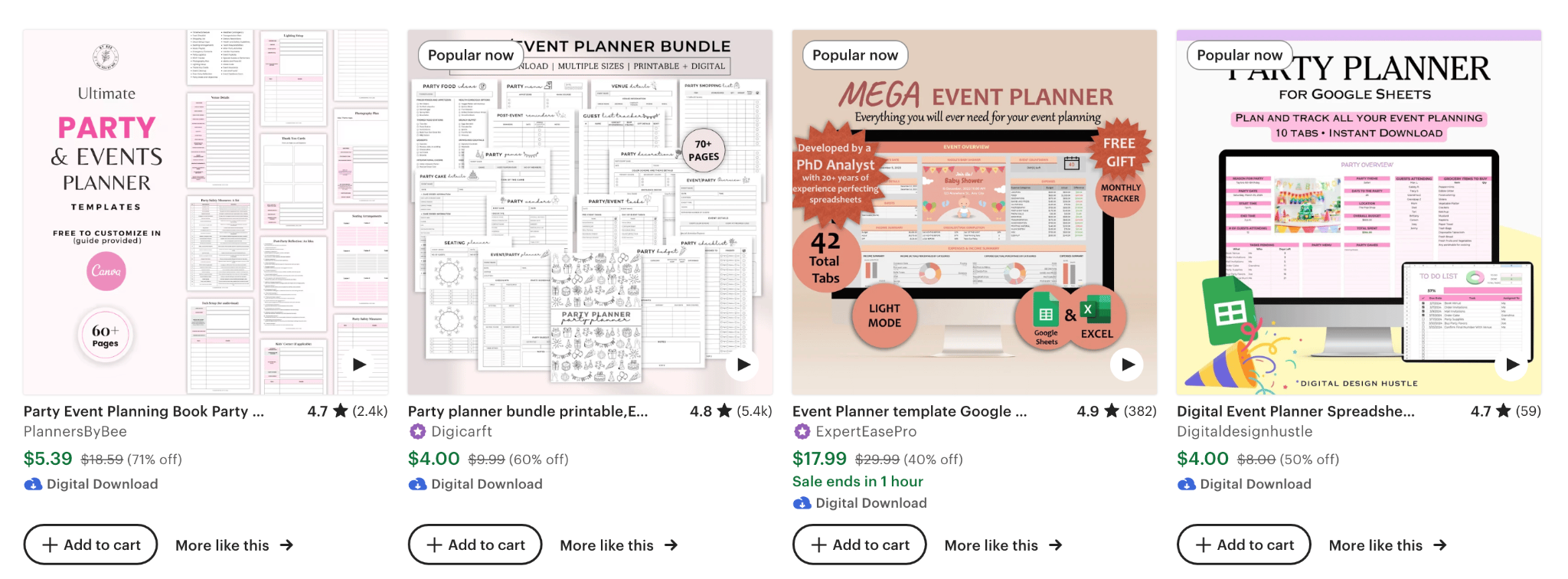
2. Event planning checklists. Standalone or bundled checklists for weddings, parties, corporate events, or holiday gatherings. These are evergreen, so people always need them.
3. Customizable meal plans. Downloadable PDFs with week-by-week meal plans built around specific diets, like vegan, keto, or gluten-free. Pair them with grocery lists, and you’ve got a product people will buy again every time they start a new diet.
4. Personalized fitness plans. Written workout programs with exercise guides, weekly schedules, and nutrition tips, sold as a one-time PDF download. Unlike fitness classes (which are video-based courses), these are reference documents people keep on their phone and follow at the gym.
Online courses
Courses let you package what you know and sell it to people anywhere in the world. You can sell online courses on platforms like Teachable, Udemy, or Thinkific, or sell directly from your own site for better margins.
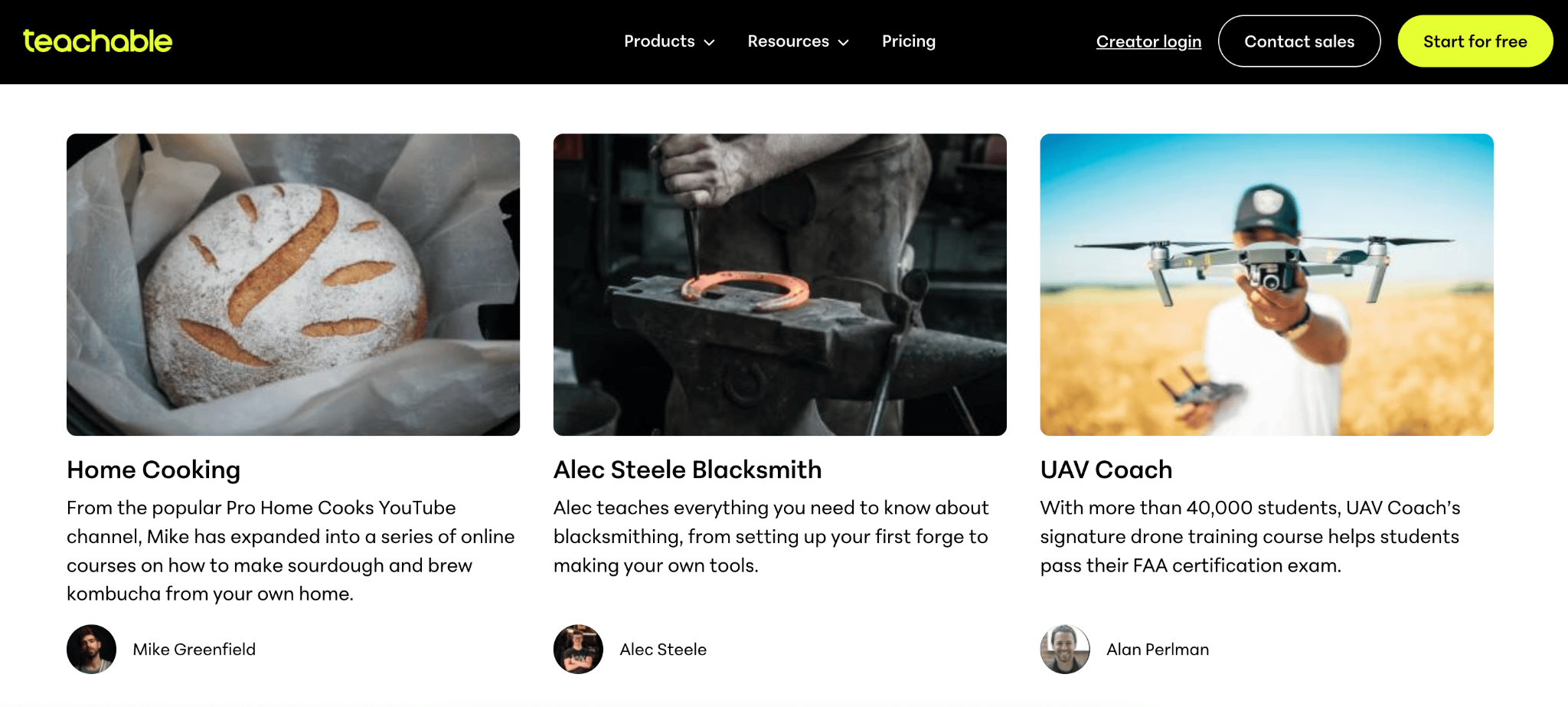
5. Photography courses and tutorials. Teach gear selection, composition, lighting – whatever your specialty is. You can sell on a marketplace like Etsy or through your own photography website.
6. Online fitness classes. Structured video programs where you coach students through workouts. The difference from selling a fitness plan PDF is that here, you’re the instructor: demonstrating movements, correcting form, and guiding pacing. Think along the lines of a yoga series, a 30-day strength program, or a beginner-to-advanced progression.
7. Cooking classes. Video-based instruction where students watch you cook and learn techniques in real time. This goes deeper than a meal plan PDF because you’re teaching how to cook, not just what to cook. Structure it as a series (knife skills, sauces, baking fundamentals) and include downloadable recipe cards as a companion resource.
8. Personal finance courses. Teach budgeting, saving, debt payoff strategies, or investing fundamentals. Money is one of those topics people will always pay to learn about, and a well-structured course can charge significantly more than an ebook on the same subject.
Digital memberships
People will pay for content that’s better than what they can get for free, and memberships give you recurring revenue, which is one of the most stable income streams you can build. Platforms like Patreon, Mighty Networks, and Instagram Subscriptions make it easy to get started.
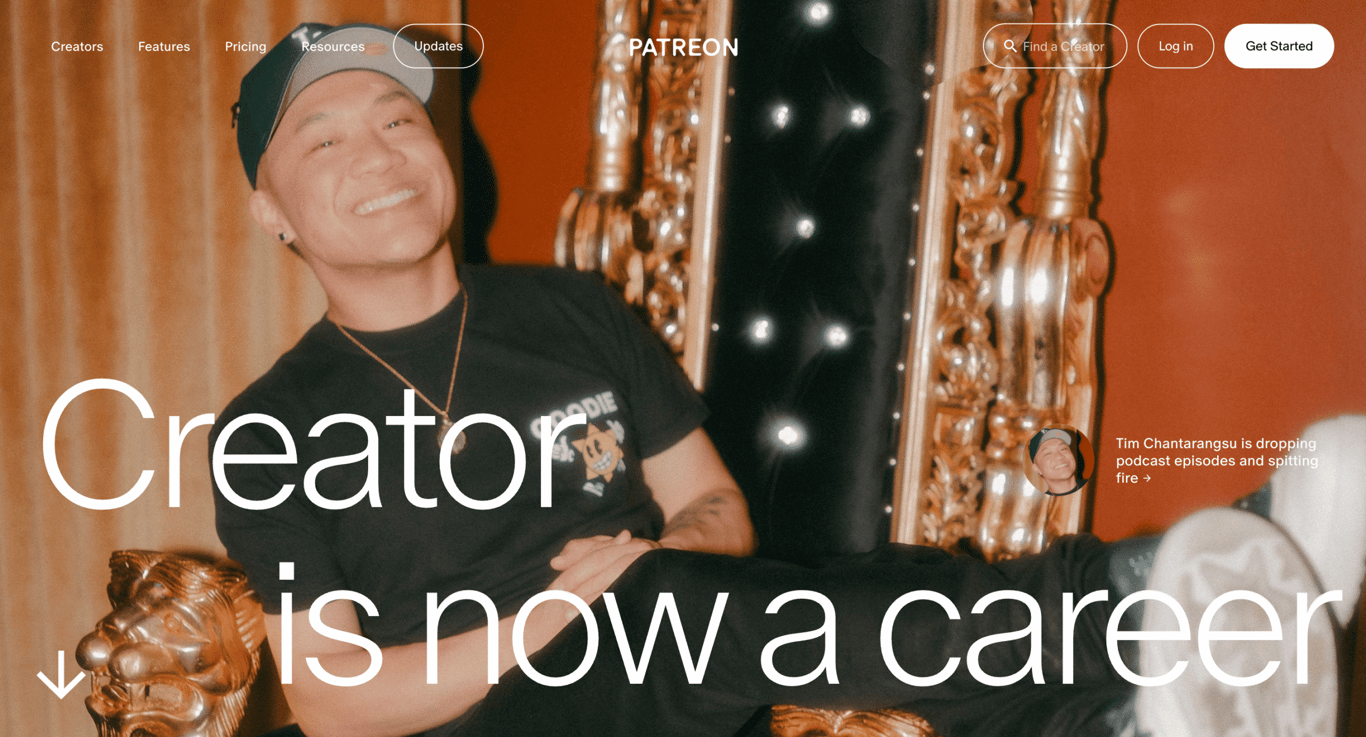
9. Exclusive video content. Ad-free videos, bonus episodes, behind-the-scenes footage: anything that makes subscribers feel like insiders. Creators on Patreon typically start at $5–$7/month.
10. Premium content. Think of this as the subscription version of your best free content. If you post workout snippets on Instagram, the paid tier gets full routines. If you share design tips on TikTok, subscribers get the PSD files. Instagram Subscriptions is a natural fit if you already have a following there.
11. Newsletter subscriptions. Paid newsletters with exclusive insights, curated recommendations, or industry analysis. Substack and Beehiiv make this dead simple to set up and monetize. The writers who do well here tend to have a strong point of view and a specific audience, not just general advice.
12. Premium blogs and articles. In-depth, members-only written content. This works especially well in wellness, finance, and tech, where people want depth over surface-level advice.
13. Podcast subscriptions. Bonus episodes, early access, or ad-free listening for paying subscribers. Podcasts have a built-in advantage for memberships because listeners already feel a personal connection to the host, which makes the leap to paying much easier.
Music and art
If you’re a musician or artist, these products let you sell what you’re already creating. Distribute music through Bandcamp, BeatStars, Airbit, or Traktrain. If photography is more your thing, there are plenty of ways to sell photos online through Creative Market or Adobe Stock. And printable art does well on your own site or through print-on-demand services like Printify.
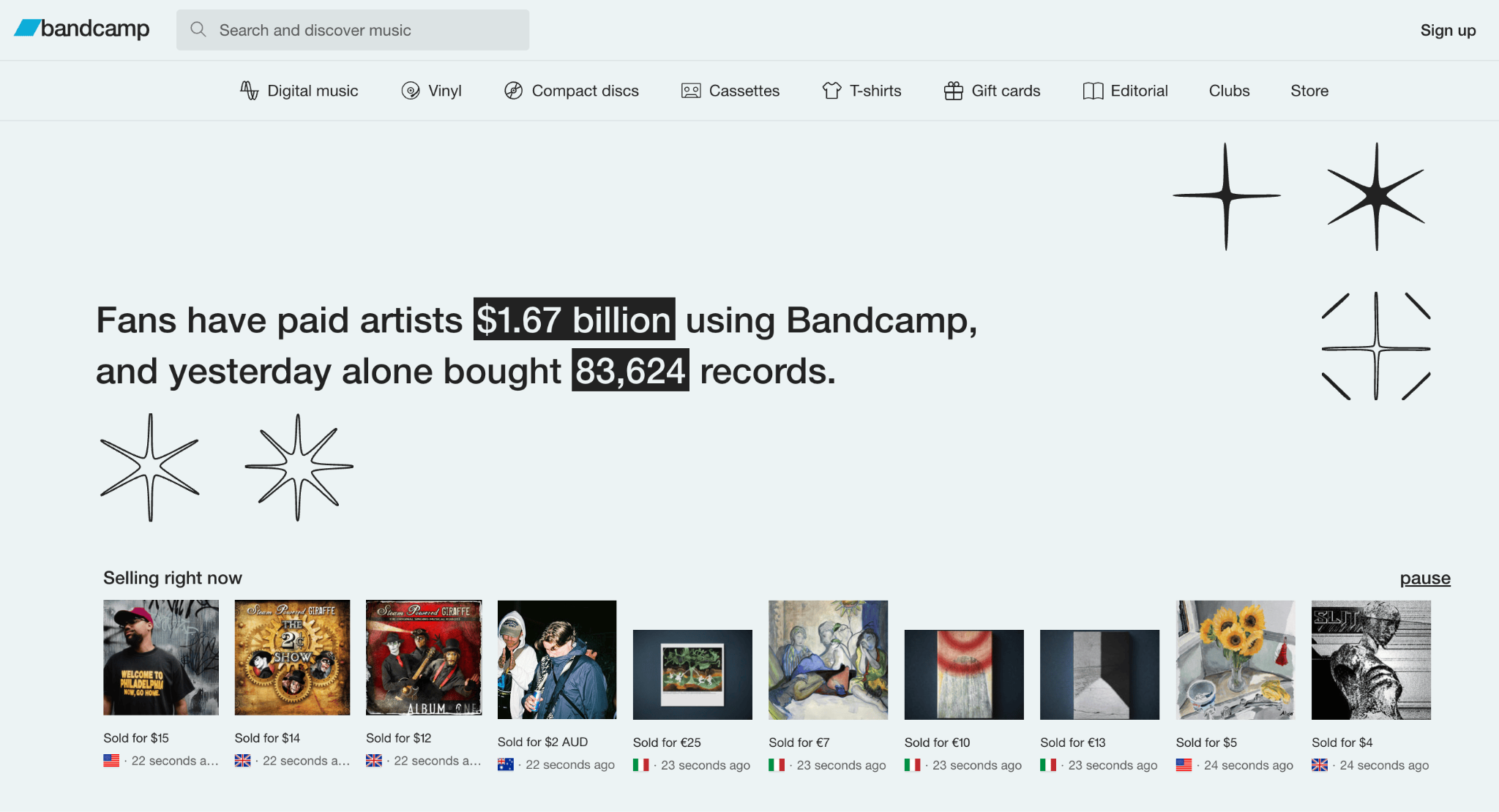
14. Exclusive music tracks. Original compositions that fans or content creators can license for their projects. Every YouTuber and podcaster needs music – that’s your market.
15. Premium stock photos. High-quality photos that businesses, bloggers, and designers actually want to use. Niche down for the best results: lifestyle, food, travel, and workspace shots consistently sell well.
16. Printable art. Sell digital art as downloadable files (posters, wall art, illustrations, graphic designs) that customers print at home or at a local shop.
17. Sound effects. Sound packs for video editors, podcasters, or game developers. Sell individual files or themed bundles (nature sounds, UI clicks, cinematic effects). The demand here is steady because every new video or game project needs fresh audio.
18. Custom music beats. Beats, drum kits, samples, presets, and loops for musicians and content creators. The hip-hop and electronic music communities are especially active buyers.
Online services
If you have a marketable skill, you can sell it as a service without creating a product. Find clients on Fiverr or Upwork, or sell directly through your own website.
19. Freelance services. Writing, graphic design, video editing, social media management, or any other skill you’re good at. Starting a freelance business doesn’t require much upfront investment, which makes it one of the easiest digital products to launch.
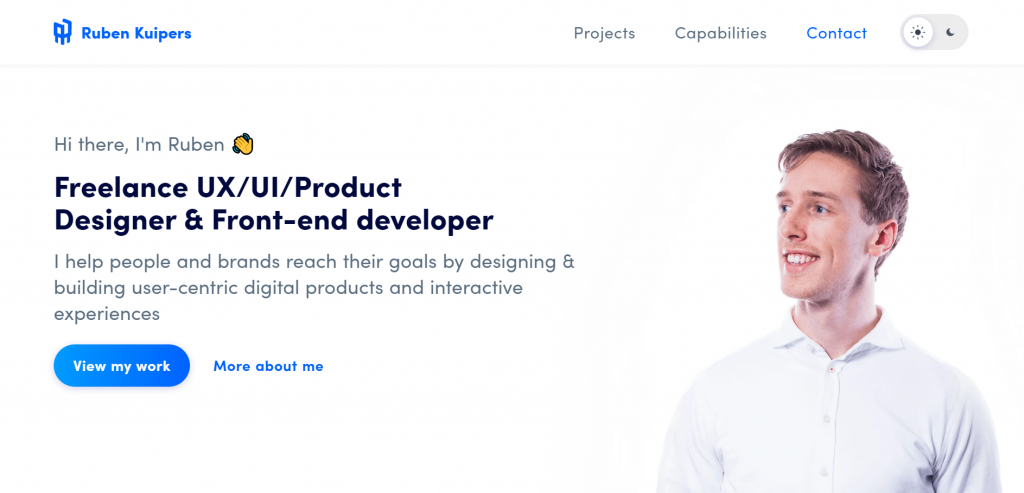
20. Custom logo designs. Businesses always need logos, and tools like Canva and Adobe Illustrator make it accessible even if you’re not a traditional designer. Learning how to create a logo from scratch is easier than most people think, and a single logo can sell for $50 to $500+, depending on the complexity.
21. Personalized trip itineraries. Custom travel plans with day-by-day activities, hotel recommendations, restaurant picks, and local tips. Travelers will pay good money for a well-researched itinerary, especially for destinations you know firsthand.
Templates
Templates sell because they give people a shortcut to professional results. No design skills needed on the buyer’s end – they just customize and go. Creative Market and your own website are both solid places to sell.
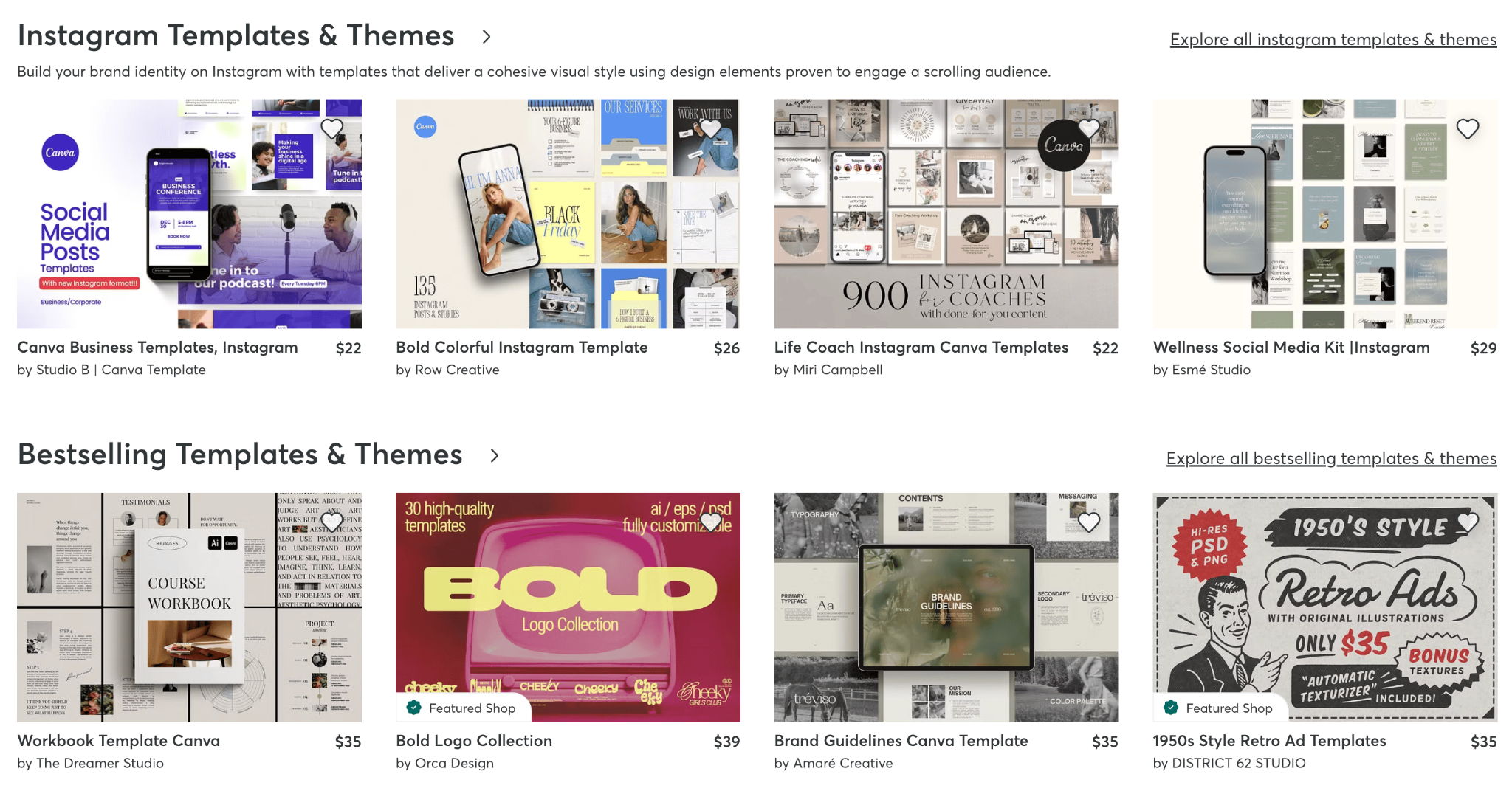
22. Contract and invoice templates. Clean, professional templates that help freelancers handle the business side of sending contracts, tracking payments, and looking legit.
23. Website templates. Customizable templates for WordPress. If you have web design chops, this is a great way to productize your skills.
24. Personal budget templates. Simple, clean budget trackers that help people get a handle on their spending, savings, and financial goals. These sell especially well at the start of a new year.
25. Notion templates. Project planners, habit trackers, content calendars, team dashboards. Notion templates are in massive demand right now and work at every price point, from $5 to $50+.
26. AI prompt packs. Curated collections of prompts for ChatGPT, Midjourney, DALL-E, or other AI tools. This is one of the fastest-growing digital product niches, and it’s still early enough to carve out a space.
27. Social media content kits. Pre-designed Instagram templates, Reels covers, story layouts, or Canva social packs. Content creators burn through these, so repeat purchases are common.
Software
Software takes more technical skill to build, but the payoff can be significant. There are more tools and learning resources available now than ever, so the barrier is lower than you might think. Sell through CodeCanyon, Gumroad, or your own site.
28. Custom software solutions. Tools that solve specific business problems, such as project management, inventory tracking, or workflow automation. If you can identify a pain point and build a fix, there’s a market.
29. Website development services. Design and build websites for businesses, bloggers, or entrepreneurs. Knowing how much to charge for a website is half the battle – price too low and you’ll burn out, too high, and you’ll struggle to land clients.
30. Apps. Mobile or web apps focused on a specific need, whether that’s productivity, education, health tracking, or entertainment. The app market is enormous, and niche apps often do surprisingly well.
31. Plugins and themes. Extend what platforms like WordPress can do with SEO tools, payment integrations, or design themes. There’s a built-in audience of millions of site owners looking for exactly this.
Vibe coding tools like Hostinger Horizons lets you build software without writing code. You can describe the idea, generate a working app, and refine it step by step.
How to sell digital products
Selling digital products involves identifying who you want to sell to, creating the product or service, listing it on a marketplace or your own website, and promoting it to your target audience.
1. Find your niche
This is where everything starts. You want a niche that has real demand and that you actually care about.
Spend some time in Google Trends, browse what’s popular on the Amazon best-selling books list, and poke around marketplaces in your area of interest.
You’re looking for gaps: things people want but can’t easily find, or existing products that could be done better.
For example, if you notice people in keto Facebook groups constantly asking for meal prep shortcuts, that’s a product waiting to happen.
Then get to know the people you’d be selling to. Build a rough buyer persona: their age, what they care about, what problems keep coming up.
Join relevant online communities (Reddit, Facebook groups, niche forums) and pay attention to the questions people ask and the frustrations they share. These conversations are free market research.
And look at your competition. Not to copy them, but to figure out where they’re falling short.
Maybe the top-selling Notion templates in your niche look great, but have terrible documentation. Or the most popular course on your topic hasn’t been updated in two years.
Better quality, a smarter angle, or more helpful customer support can set you apart faster than you’d expect.
2. Create high-quality digital products
Now comes the building. Start with the core question: what specific problem does this solve, and how will someone actually use it?
If you’re making an ebook or course, outline your key topics and subtopics before you start writing or recording.
For software or apps, map out the features and how users will move through them.
For templates, prioritize ease of customization and visual polish.
Whatever you’re building, break it into small steps so you don’t get paralyzed trying to do everything at once.
Pick tools that match what you’re making:
- Canva or Affinity Publisher for ebooks, guides, templates, and graphics.
- ScreenFlow or Camtasia for video courses.
- Ableton Live or Reaper for music or sound effects.
- Hostinger Horizons for app and web design.
- Procreate or Krita for digital illustrations.
Before you launch, get your product in front of a few people and ask for honest feedback. Use it to improve. The goal is to ship something you’re proud of, not something that is perfect.
The whole question of how to create a digital product gets easier after you’ve been through it once, so don’t overthink your first release.
3. Sell your products
Where you sell matters. You’ve got two main paths: third-party platforms or your own store.
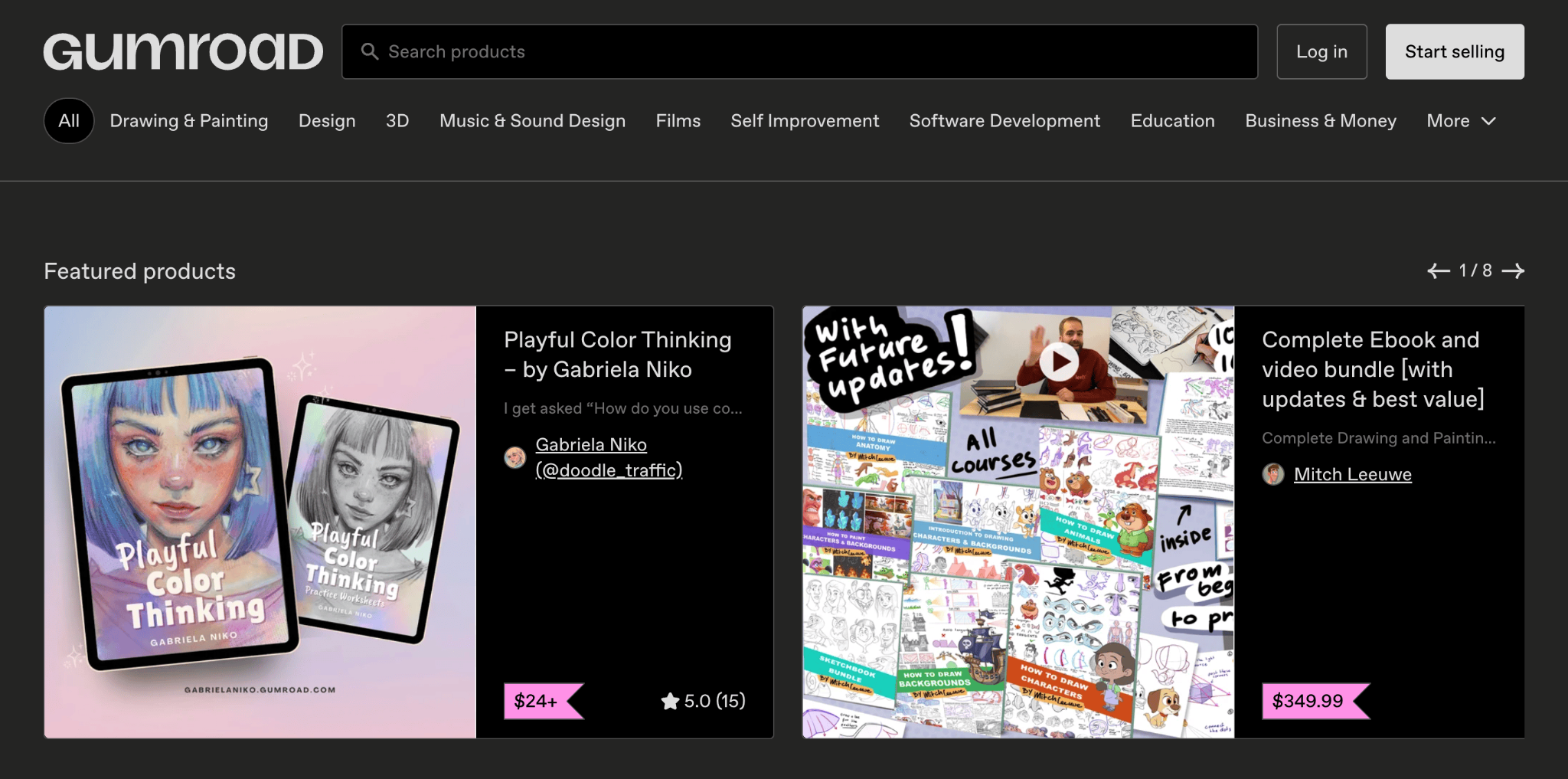
Third-party platforms like Etsy or Gumroad get you up and running quickly with access to an existing audience.
The downside is fees: Etsy takes 6.5% per transaction plus listing and processing fees, and Gumroad charges a flat 10% plus $0.50 per direct sale. That adds up.
If you’d rather keep more of your revenue and own the whole experience, selling through your own website is the way to go. Hostinger’s website builder, for example, charges no transaction fees and gives you complete control over how your store looks and works.
It handles digital product delivery automatically, so customers get a download link right after purchase. And you get full control over your branding, from the storefront design to how individual product pages are presented.
Getting started is quick, too – you can have a professional storefront live in an afternoon.
4. Promote your digital products
A great product that nobody knows about doesn’t sell. The two channels that matter most for digital products are content marketing and email.
Content marketing means creating genuinely useful free content that’s related to what you sell. These are blog posts, YouTube videos, and social media posts.
If you sell recipe ebooks, post a quick cooking video and link to the full collection in the description.
If you sell Notion templates, write a blog post about productivity systems and embed your template as the solution.
The goal is to help people first, then let your product be the natural next step.
Pair this with SEO basics (making sure your pages show up when people search for what you offer), and you’ll build a traffic engine that grows on its own.
Email is the other non-negotiable. Give away something small (a sample chapter, a free template, a discount code) in exchange for an email address, then use automated sequences to stay in touch and promote your products over time.
Unlike social media, you own your email list, and the conversion rates are consistently higher than almost any other channel.
Once those two are working, you can layer on influencer collaborations, affiliate programs, and paid ads through Google Ads to accelerate things.
There’s a lot more to marketing digital products, from building funnels to choosing the right ad formats, but these fundamentals will get you moving in the right direction.
How much can you make selling digital products?
Most sellers can reach the $1,000–$2,000 per month range after several months, but plenty of experienced creators clear $10,000/month or more.
Where you land depends on what you’re selling, how you price it, and how much effort you put into promotion.
Online courses and software have the highest ceilings. Courses command premium prices because they’re structured learning experiences rather than just information, and creators can earn $1,000–$10,000/month. Software goes even higher: custom solutions can generate up to $100,000 per year.
Ebooks and templates are the most accessible starting points. Ebooks start slow but scale well once you build a catalog, with experienced sellers reaching a full-time income. Templates, especially Notion templates, AI prompt packs, and social media kits, can hit $2,000/month and beyond.
Memberships and creative products fall in the middle. Memberships can earn over $10,000 in annual revenue, with the real advantage being predictable recurring income. Custom beats and digital art land up to $1,000 per month. And online services have the widest spread: anywhere from $10,000 to over $200,000 per year, depending on your specialty and client volume.
Your actual numbers will come down to how you price your products and how consistently you market them. But the math on digital products is hard to beat – your costs stay low, your products don’t expire, and every sale after the first one is almost pure profit.
Even if you start small, you’re building something with real compounding potential.

Simon is a dynamic Content Writer who loves helping people transform their creative ideas into thriving businesses. With extensive marketing experience, he constantly strives to connect the right message with the right audience. In his spare time, Simon enjoys long runs, nurturing his chilli plants, and hiking through forests. Follow him on LinkedIn.

Miglė Cicėnaitė-Jocė is a Product Manager for Hostinger's Website Builder. She is on a mission to redefine website creation, focusing on the AI flow and its features, and is always eager for product feedback and market insights to improve the user experience. Follow her on LinkedIn.