19 best referral programs to make money in 2026
Mar 18, 2026
/
Simon L.
/
9 min Read

A referral program is a system where a company rewards existing users for recommending its product or service to other people. It’s one of the most low-effort ways to earn money online, and some of these programs pay surprisingly well.
The best payouts come from finance and investing apps like SoFi, which hand out cash and reward points; cloud storage services like Dropbox, which pioneered the refer-a-friend model; and web hosting platforms like Hostinger, which pays real commissions that can hit $450 per referral.
Here are the top five referral programs:
- Dropbox. The original referral program that helped them grow 3,900% in 15 months. You still get free storage for every friend who joins.
- Hostinger. One of the highest-paying referral programs on this list. Earn up to $450 per referral, with no cap on how many people you can invite.
- T-Mobile. No complicated tiers or points systems. Just a flat $50 for every friend who signs up.
- Tesla. The program got a big overhaul recently. Referrers earn $250 in credits, and buyers can get up to $1,000 off a new vehicle.
- SoFi. $20 in reward points per referral across their whole suite of financial products.
1. Dropbox
Reward: 500 MB to 1 GB of extra storage per referral (up to 32 GB total)
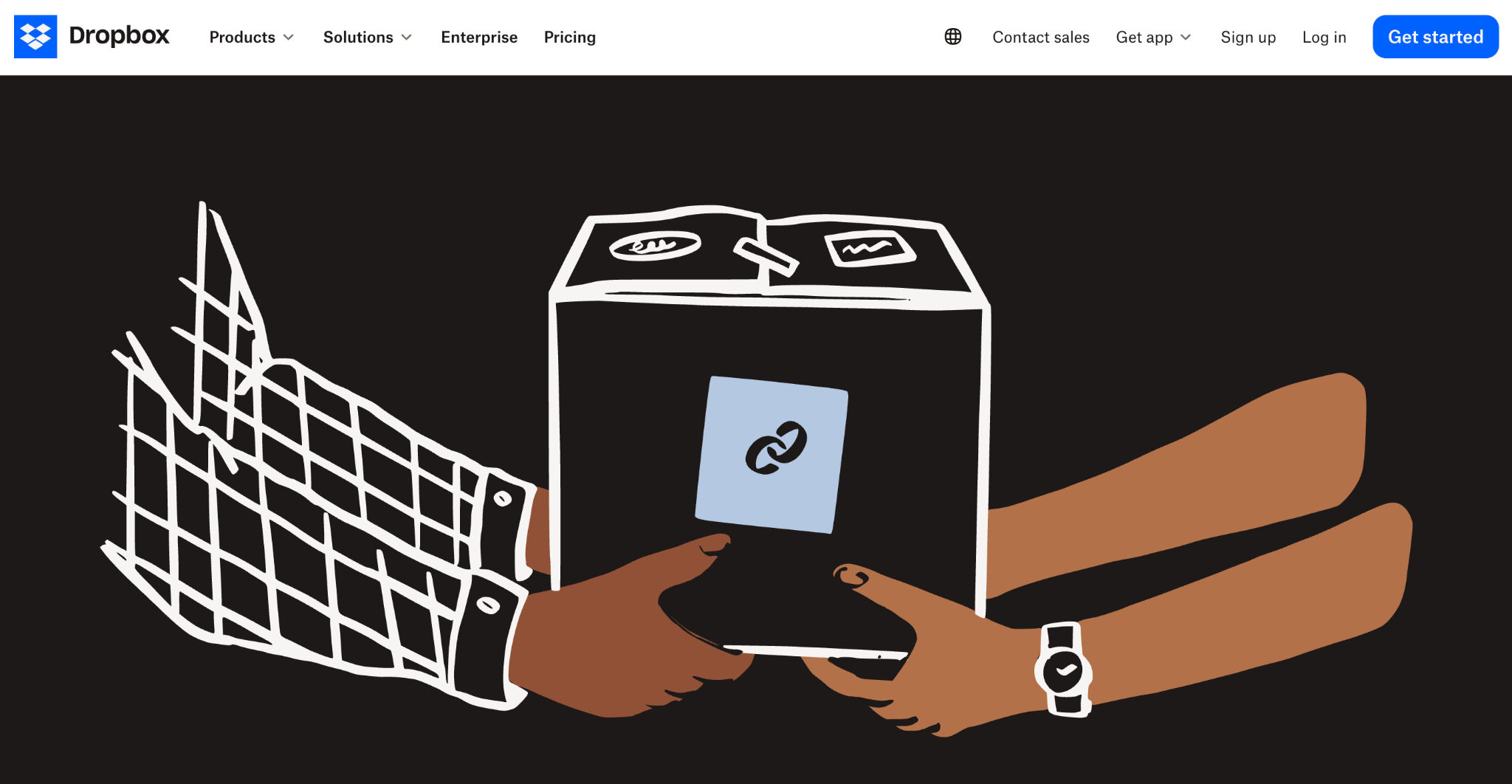
Referral programs are one of the simplest ways to make money online, and Dropbox’s is the one that started it all. It helped the company go from 100,000 users to 4 million in just 15 months, and it’s still going strong today.
The concept is beautifully simple: refer a friend, and you both get free storage.
If you’re on the free Dropbox Basic plan, you’ll get 500 MB for each friend who creates an account and verifies their email, up to 16 GB total. Dropbox Plus users get 1 GB per referral with a 32 GB cap. Your friend gets the same bonus, so it’s a true win-win.
If you’re already a Dropbox user, this is a no-brainer. You’re literally just giving friends more storage while getting more yourself.
2. Hostinger
Reward: 20% commission per referral (up to $450)
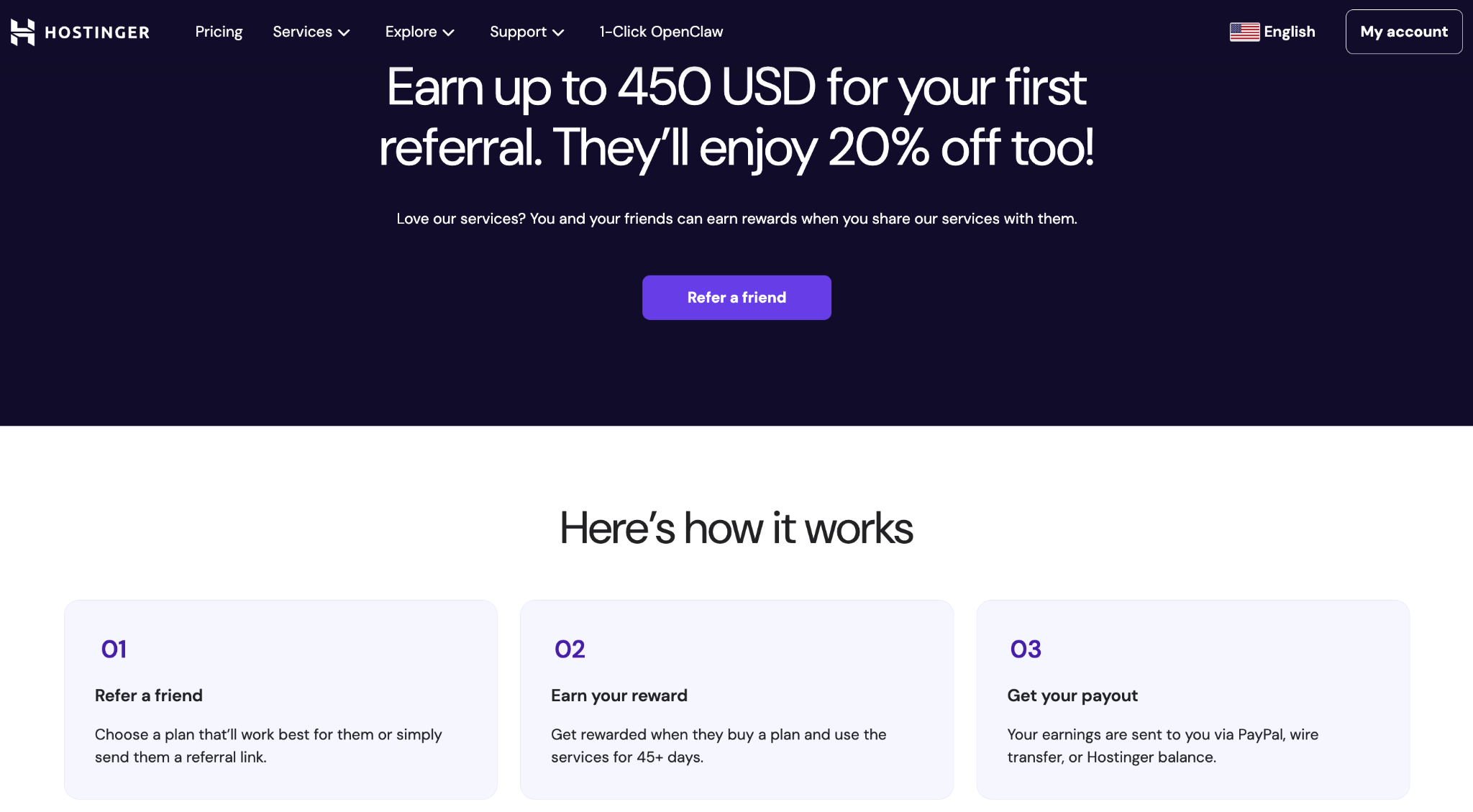
This is one of the highest-paying referral programs on the list, and it’s open to anyone with an active Hostinger account.
You earn a 20% commission on the referral’s first purchase when they buy any hosting, VPS, or email plan for at least 12 months, or any 1-month Hostinger Horizons plan. On the pricier plans, that commission can reach $450 per referral.
Your friend gets a 20% discount at checkout, too, so it’s an easy sell. The commission hits your account after they’ve been active for 45 days, and you can cash out via PayPal (minimum $50), wire transfer (minimum $200), or Hostinger Balance (minimum $30).
There’s no limit on referrals, so the earning potential is genuinely uncapped.
Already using Hostinger? You can set up your referral link in hPanel in about 30 seconds.
3. Robinhood
Reward: $5–$200 in free stock per referral (up to $1,500/year)
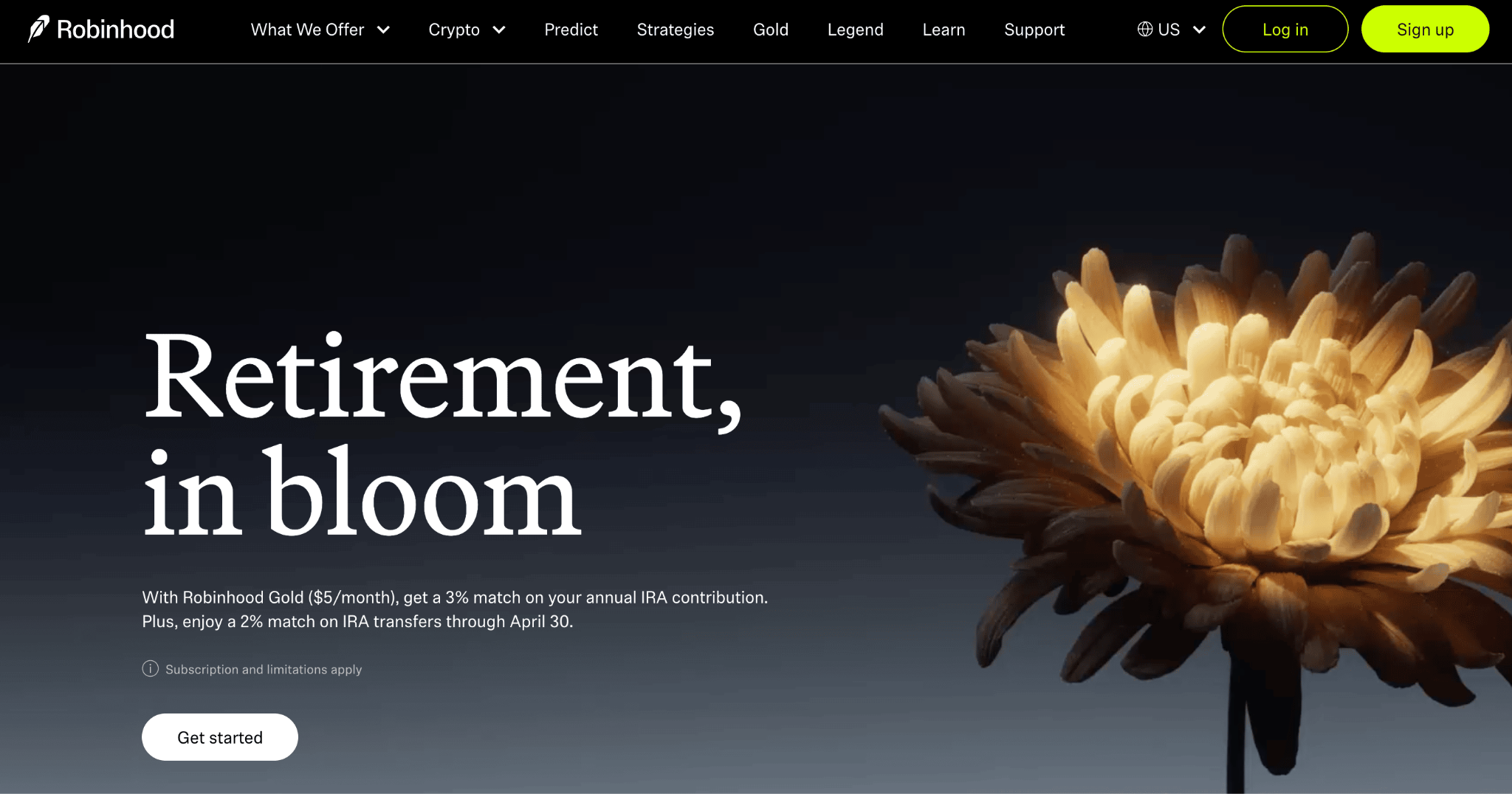
You don’t even need to convince your friend to spend money – that’s what makes Robinhood’s referral program so easy to pitch.
They just sign up and link a bank account or debit card. No deposit required. You both get free fractional shares in a US company, and the whole thing takes about two minutes.
The stock value is random: about 98% of people get shares worth $5–$10, while a lucky few land up to $200.
There’s no cap on how many friends you can refer, but your total earnings are limited to $1,500 per calendar year.
You can sell the reward stock after three trading days, though the cash can’t be withdrawn for 30 days.
If you’re already using Robinhood and regularly talk investing with friends, this is basically free money sitting on the table.
4. Wise
Reward: Varies by region (For example, £50 for 3 qualifying referrals in the UK)
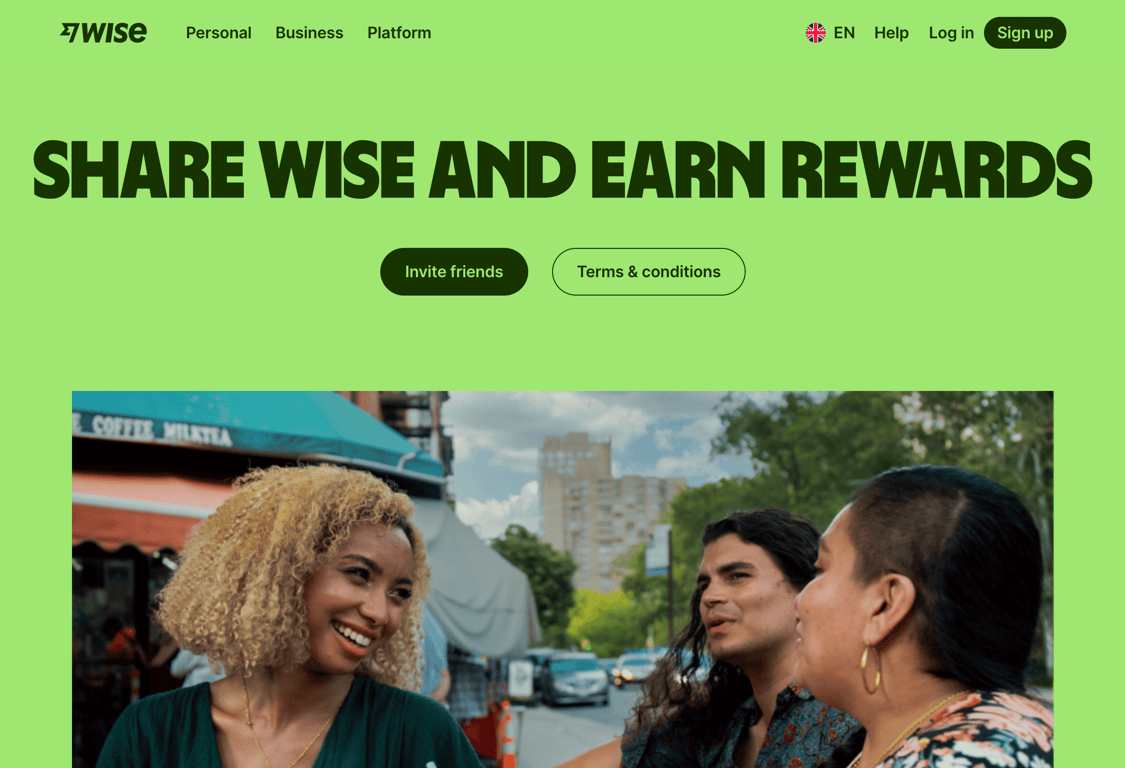
If you transfer money internationally, chances are you’ve already recommended Wise to someone. The low fees compared to traditional banks make it an easy sell.
Their referral program formalizes that: your friend gets a fee-free first transfer, and once enough of your referrals complete qualifying transactions, you earn a bonus.
The exact reward depends on your country. In the UK, for example, you’ll receive £50 after three friends each transfer at least £200. The amounts and thresholds vary elsewhere, so check the terms for your region.
Wise operates in over 160 countries, giving this program a broad international appeal. If you have friends or family abroad, that’s a built-in audience.
5. Fiverr
Reward: 10% of the referral’s first order (up to $100)
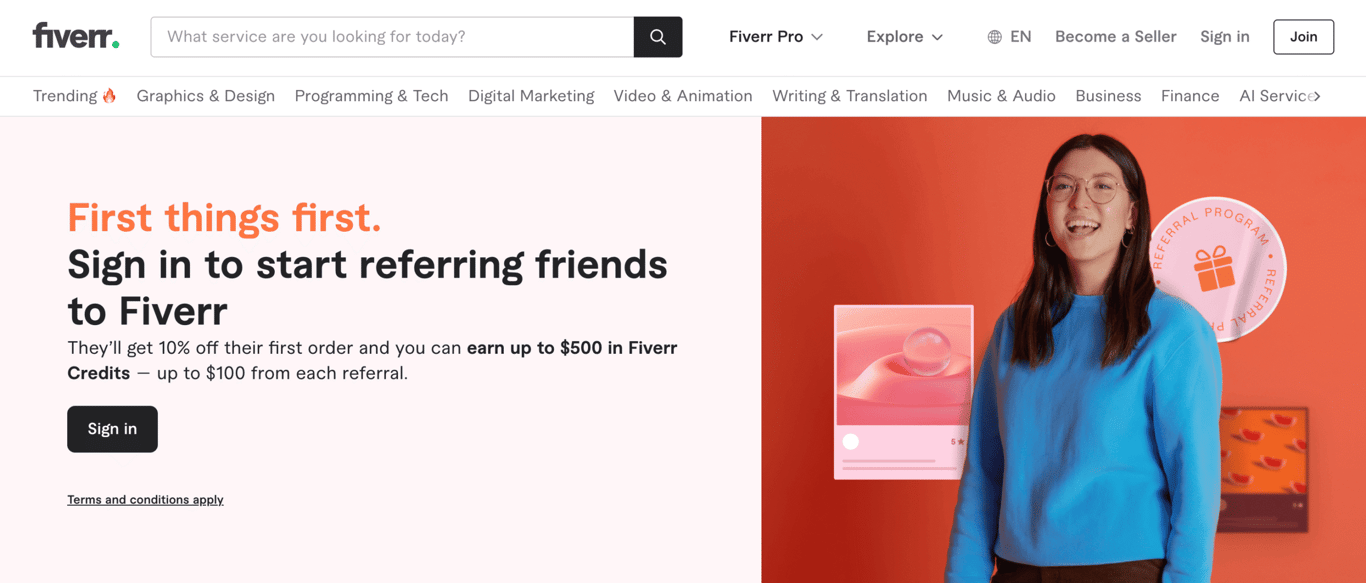
If you’ve ever hired someone on Fiverr for logo design, video editing, web development, or anything else, you already have a natural talking point for referrals. The marketplace is free to join, and you can start referring immediately after signing up.
You’ll earn Fiverr Credits worth 10% of your friend’s first purchase, capped at $100 per order. Your friend also gets a 10% discount (up to $100) on that first purchase. The total you can earn from qualified purchases tops out at $500 in Fiverr Credits.
Just note that the purchase needs to be fully completed and paid with an external payment method to count, and the program isn’t available for Fiverr Business accounts.
6. Swagbucks
Reward: 10% of the referral’s earnings (ongoing)
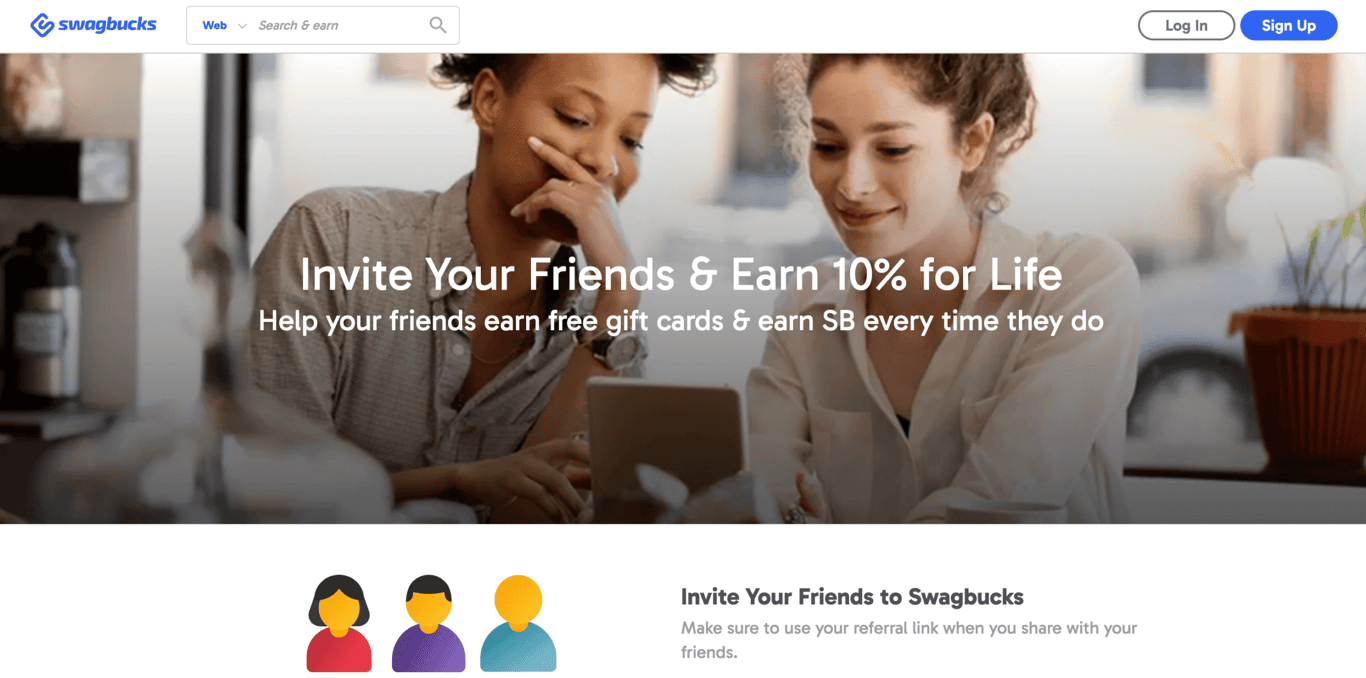
Swagbucks lets users earn points by completing surveys, watching videos, and testing products, with rewards redeemable for gift cards or PayPal cash.
It is different than most referral programs, which are one-and-done: your friend signs up, you get a reward, that’s it.
With Swagbucks, you earn 10% of whatever points your referrals accumulate – not just once, but for as long as they use the platform. The more active they are, the more you earn, with no caps.
There’s a nice bonus too: if your referral earns 300 SB during their first 30 days, you both pocket an extra 300 SB.
The ongoing nature of this program makes it one of the most underrated options on the list.
7. SoFi
Reward: $20 in reward points per referral (up to five referrals)
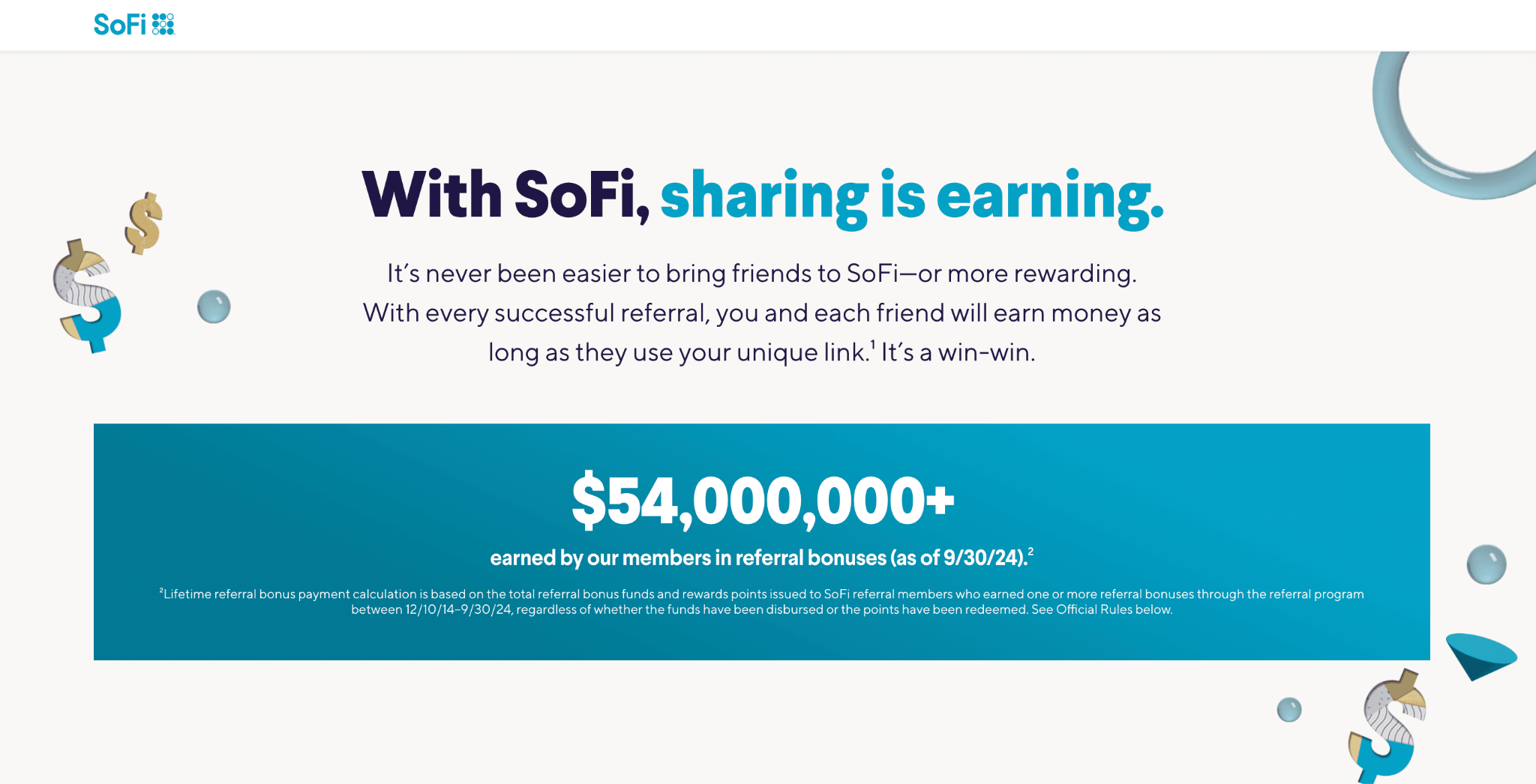
SoFi runs multiple referral programs across its financial products, making it more flexible than many single-offer platforms.
The app referral is the simplest – you get 2,000 reward points (worth $20) when your friend downloads the app, registers through your link within 24 hours, and starts using it. Your friend gets 1,000 points worth $10.
But that’s just the tip of the iceberg. SoFi also runs separate referral programs for loans, investing, credit cards, money accounts, and banking. If you’re deep in the SoFi ecosystem, you can stack referrals across multiple products.
The app referral caps at five successful referrals, but the product-specific programs have their own limits.
8. Google Workspace
Reward: $8 to $23 per user
The per-user structure is what makes the Google Workspace Referral Program attractive. Most programs pay per referral – one person signs up, you get one reward.
Here, you’re paid based on how many users are on the account. Refer a company that puts 20 people on a Business Starter plan, and you’re looking at $160 from a single referral.
The payout depends on the plan:
- Business Starter: $8 per user
- Business Standard: $15 per user
- Business Plus: $23 per user
The program caps at 100 users per referred account and 200 users per year. It’s only available in 24 countries, and rewards outside the US may vary. If you need a bigger scale, Google also has a separate affiliate program with fewer restrictions.
9. T-Mobile
Reward: $50 per referral, up to $500 a year
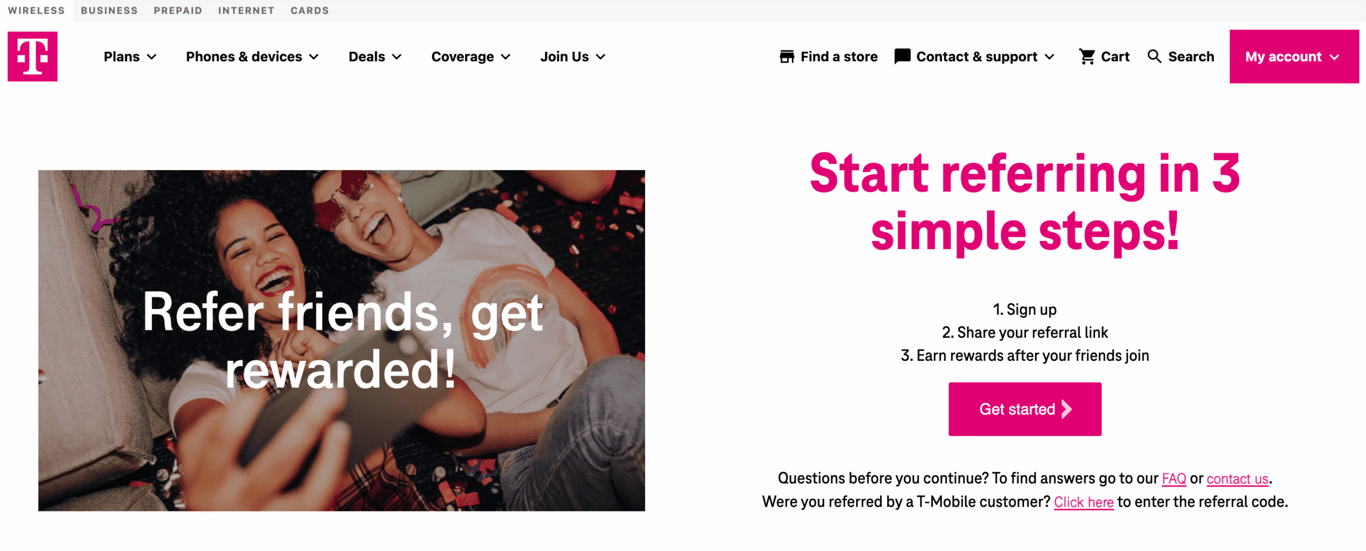
No tiers. No points systems. No complicated math. T-Mobile’s referral program is refreshingly simple: refer a friend, get $50 loaded onto a Virtual Express Prepaid Mastercard. Done.
To participate, you need to be on a T-Mobile or Sprint postpaid smartphone plan. Your referrals can’t have been T-Mobile, Sprint, or Metro by T-Mobile customers within the last 90 days.
You can earn up to $500 per year, which means 10 successful referrals max. If you’re someone who naturally recommends your phone carrier to people (and T-Mobile has plenty of fans), this is easy money.
10. Astra
Reward: 30% commission (up to $270 per sale)
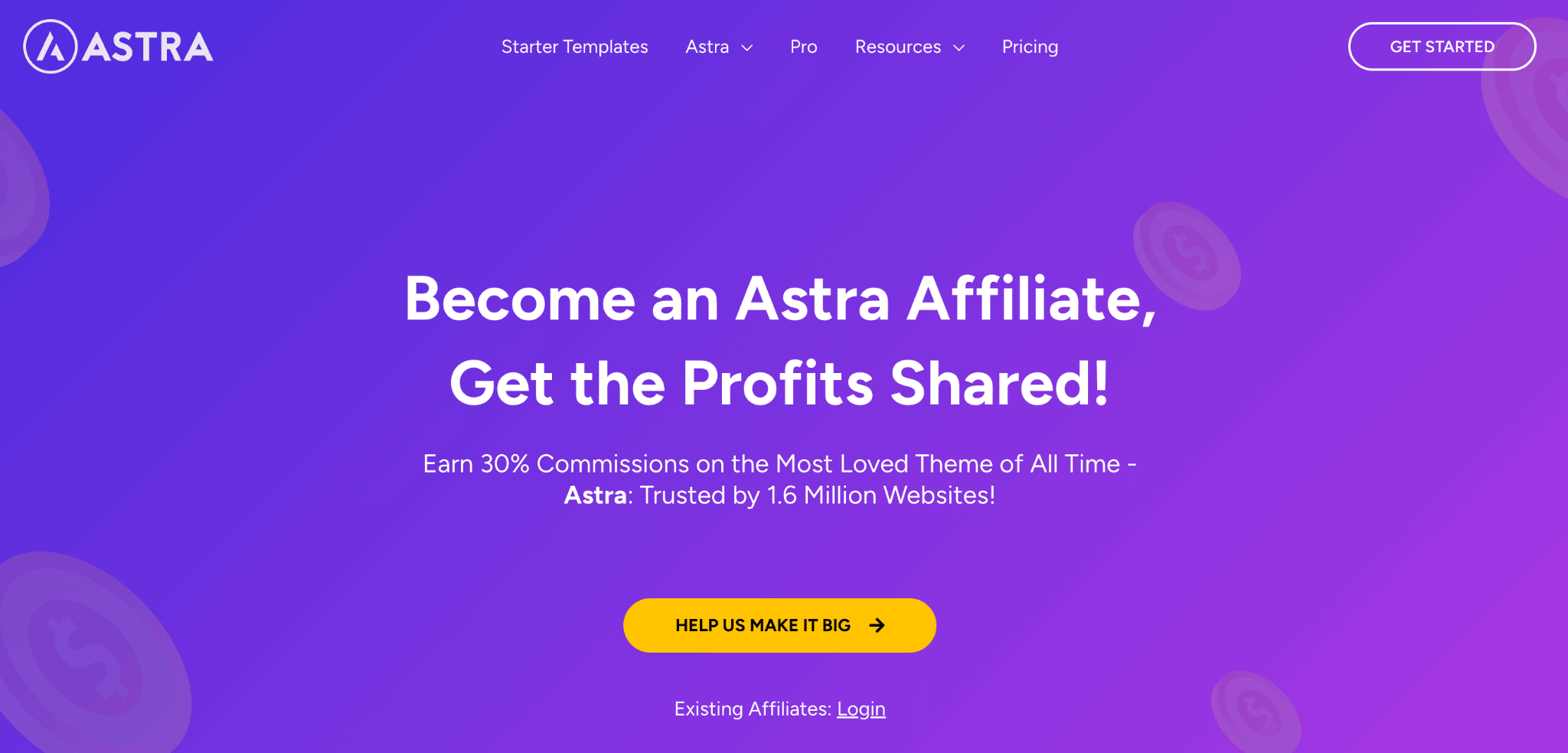
With over 1.8 million active installations, Astra is the most popular third-party WordPress theme worldwide. That kind of market dominance makes it a pretty easy product to recommend.
Their affiliate program pays a 30% commission on every sale, with a 60-day cookie window. Their top-tier Business Toolkit ($899) means a single referral can earn you up to $270.
They’ll even provide swipe copies, banners, and marketing materials.
A heads-up: this is technically an affiliate program rather than a traditional refer-a-friend setup. It’s built for content creators and marketers with an audience.
But the commissions are generous enough to merit a spot on this list if you’re in the WordPress space.
11. SugarSync
Reward: 10 GB of storage space
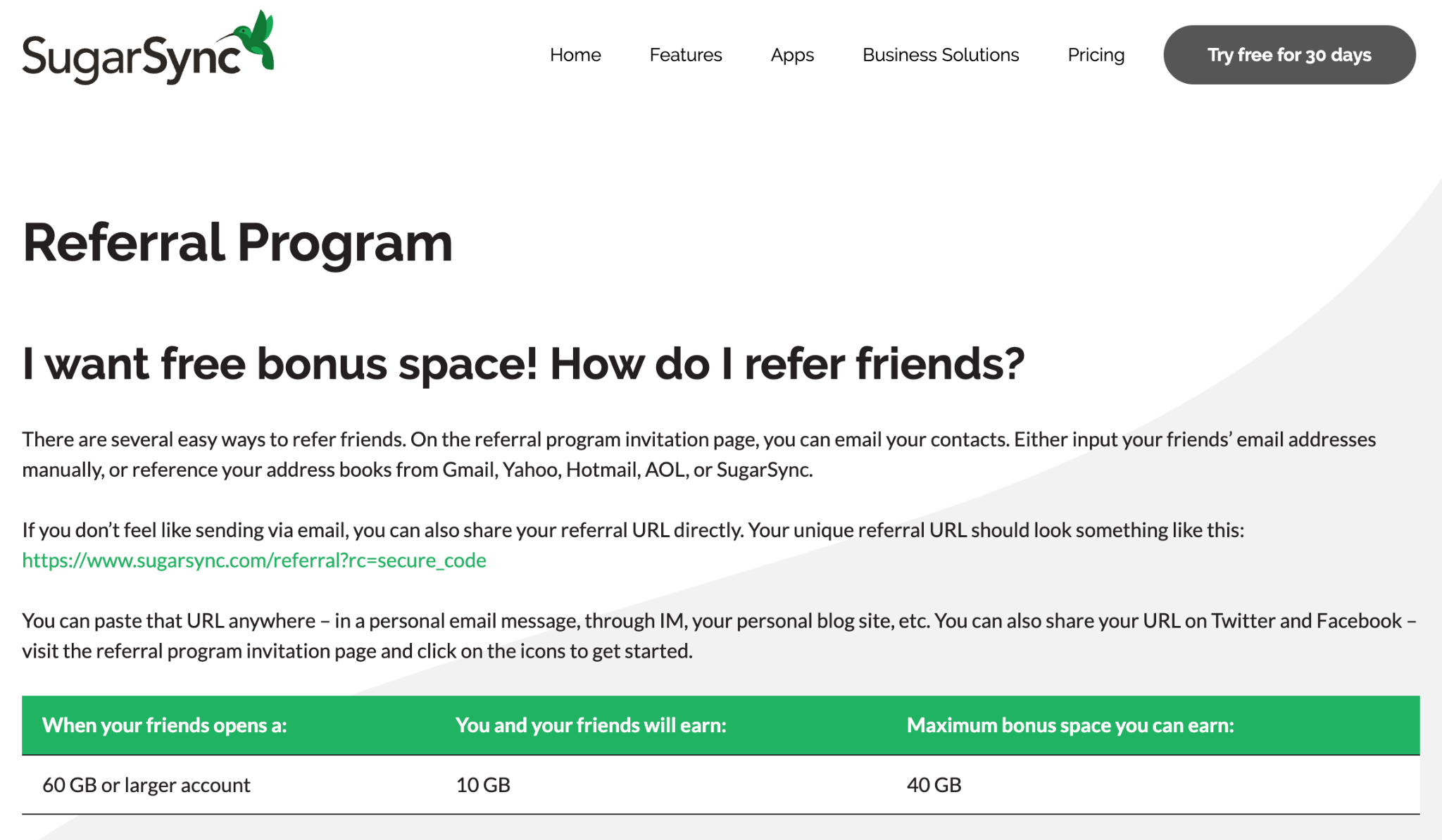
Another cloud storage option, but SugarSync’s reward is significantly bigger than Dropbox’s.
Each successful referral earns you 10 GB of bonus storage (versus Dropbox’s 500 MB to 1 GB). You can rack up to 40 GB in bonuses total.
The catch? Your friend needs to open an account with more than 60 GB of storage for you to qualify.
You’ll get 500 MB immediately when they sign up, then the remaining 9.5 GB after they finish their trial and make their first payment.
12. FreeAgent
Reward: 10% discount on subscription plan per referral
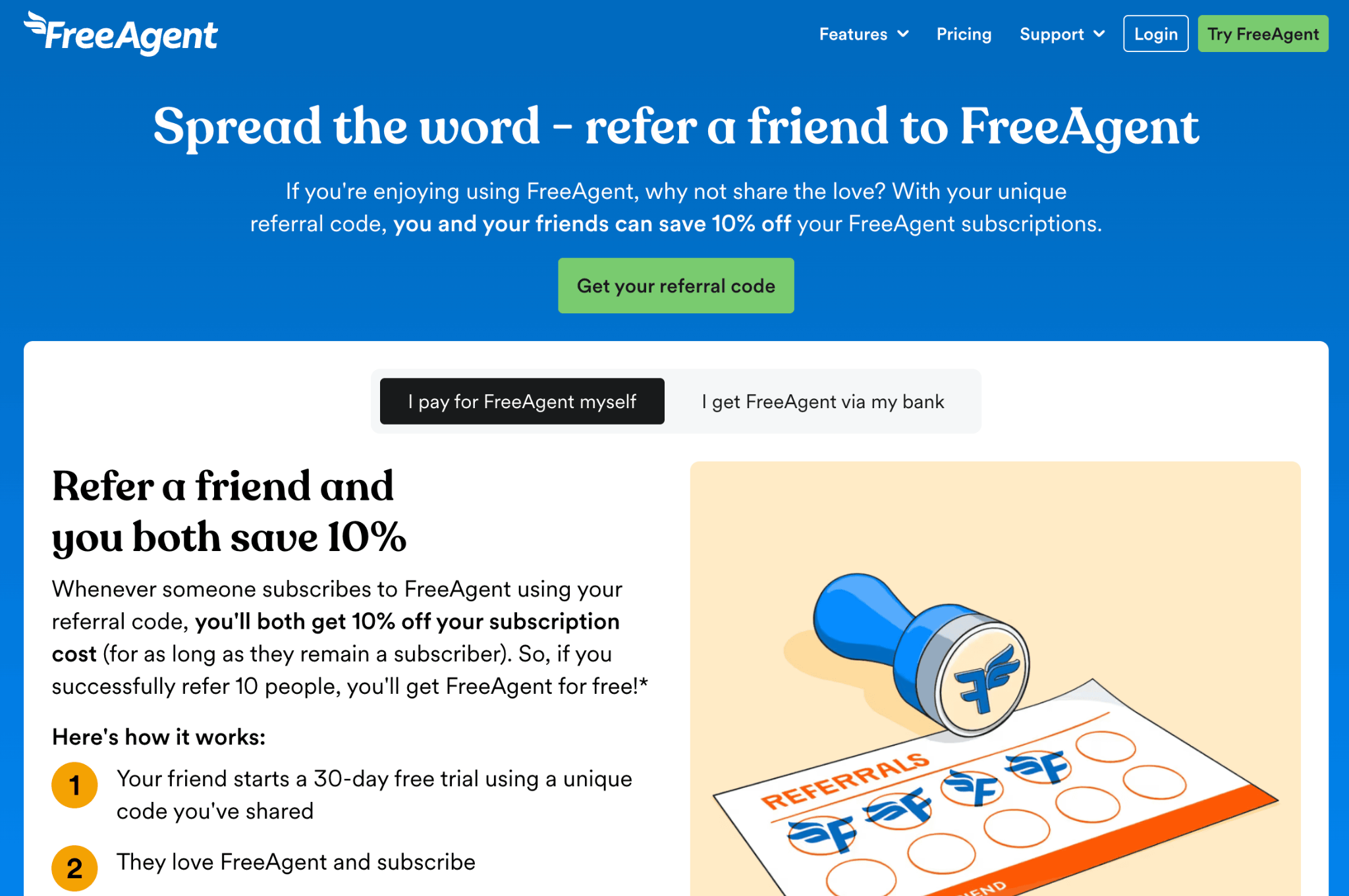
Here’s an interesting twist on the typical referral reward: instead of getting paid, you get your subscription cheaper.
Each friend you refer to FreeAgent, an accounting software for freelancers and small businesses, earns both of you a 10% discount on your subscription.
The really clever part? There’s no referral cap. Land 10 successful referrals, and you’re using FreeAgent’s software completely free.
The only caveat is the discount sticks as long as your referred friend stays subscribed. If they leave, your discount drops accordingly.
Still, for freelancers and small business owners already using the tool, this is one of the most practical referral setups on the list.
Note that the program is only available to direct subscribers – if you access FreeAgent through a bank or accountant, you’re not eligible.
13. quip
Reward: $10 per referral
Not every referral program has to be about software and finance. quip makes electric toothbrushes, refillable dental floss, and smart mouthwash dispensers, and yes, they have a referral program for it.
When someone uses your link to make a purchase of $30 or more, you both get $10 in credit.
It’s not going to make you rich, but if you’re a quip customer who genuinely likes the product, it’s free money toward your next refill order.
One thing to know: quip doesn’t allow you to post your referral link publicly. It’s meant for sharing directly with friends and family, not blasting on social media.
14. Zoho
Reward: 15% commission from your referral’s subscription fee
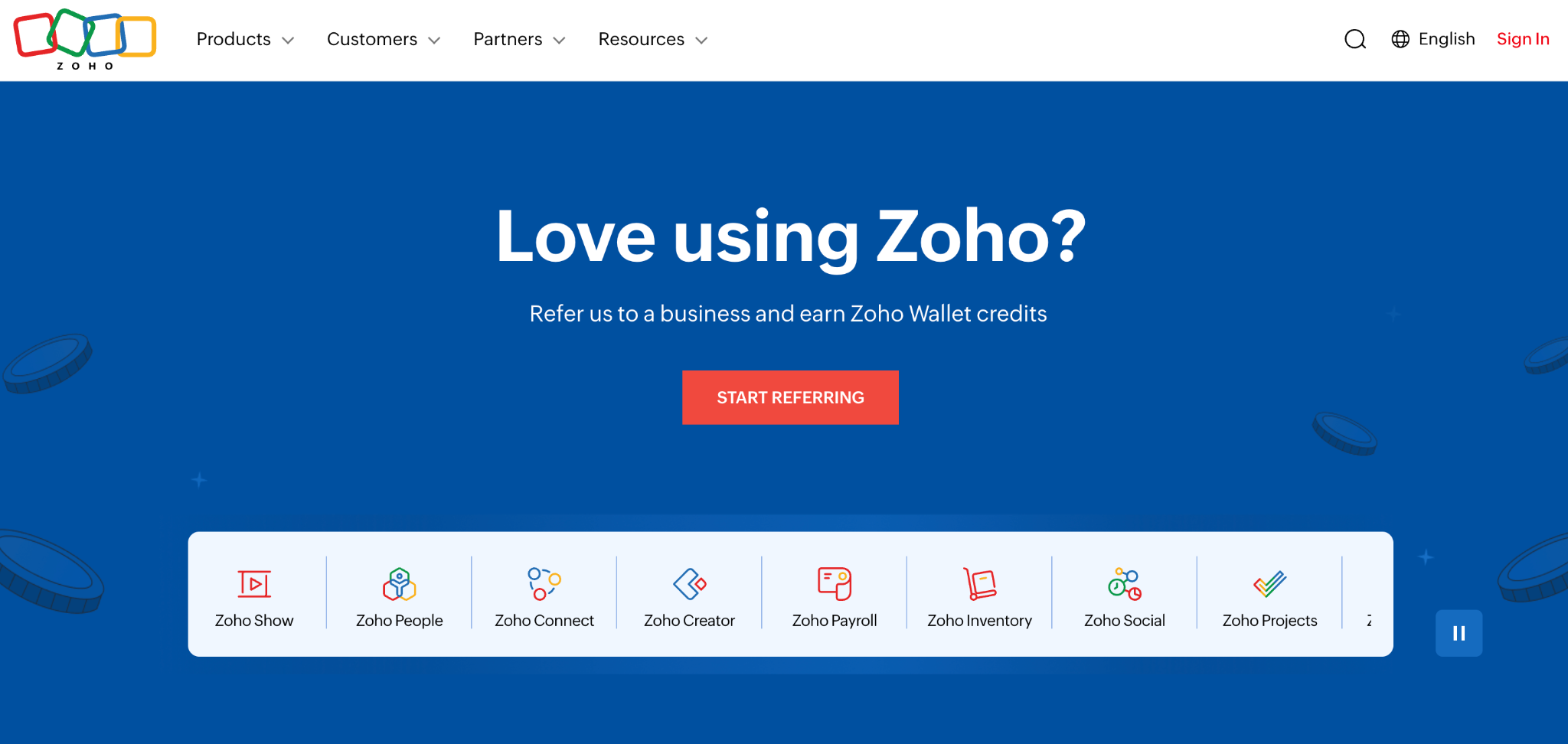
If you’re already using Zoho’s suite of productivity tools (CRM, finance, collaboration), their referral program is worth knowing about.
You’ll earn 15% of whatever your referral pays for their subscription, paid out after they’ve used the product for 90 days.
Your reward comes as Zoho Wallet credits (valid for one year), not cash. So you can’t withdraw it to your bank, and you’ll need to spend it on Zoho products like app subscriptions, renewals, or add-ons.
On the plus side, there’s no earning cap, and your referred friends get $100 in promotional credits to try Zoho apps.
Just be aware that the incentive only applies to the referral’s first purchase – you won’t earn from anything they add later.
15. Ibotta
Reward: $10 per referral
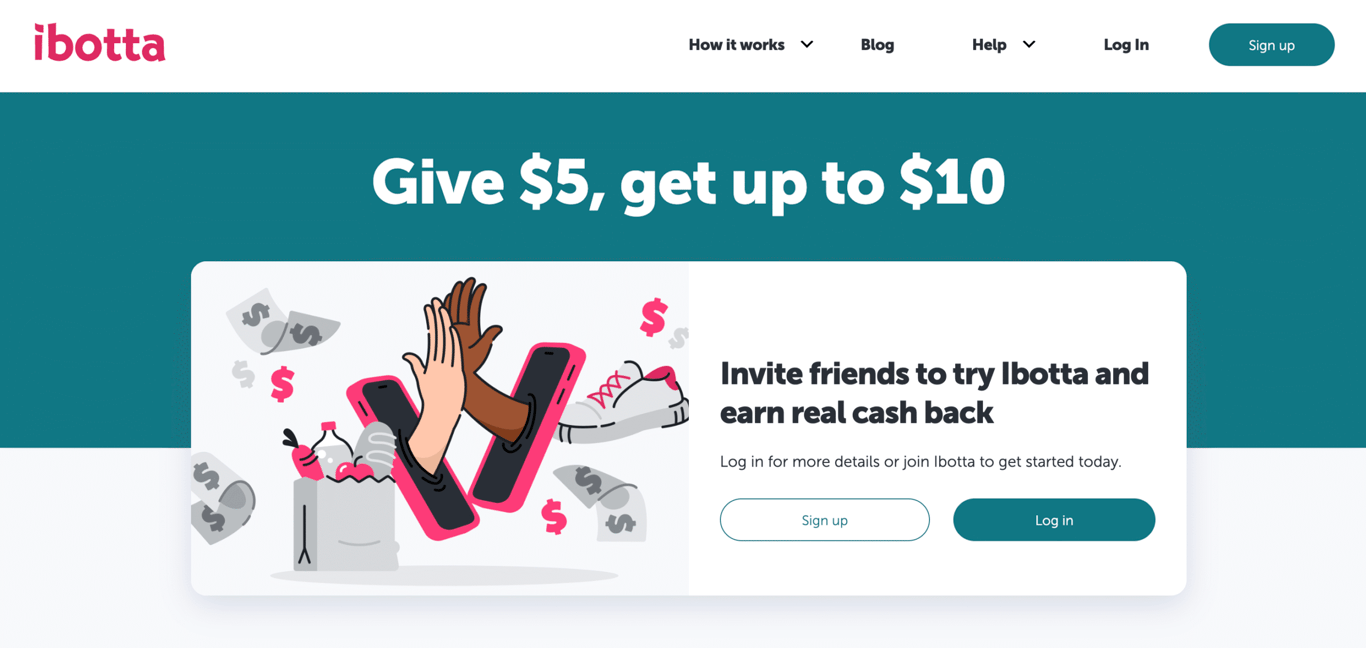
For anyone who shops regularly, Ibotta is a cashback platform that rewards you for purchases at thousands of stores.
Refer a friend with your code, and you’ll earn $10 when they submit their first receipt within seven days of signing up.
Your friend gets a solid deal too: a $5 bonus at registration plus $10 after redeeming a qualifying offer.
There’s no cap on referrals, so if you have a big friend group or an engaged social media following, this can add up.
The fact that this applies to groceries makes it one of the easiest programs to pitch naturally.
16. Hubstaff
Reward: 10% subscription discount per referral
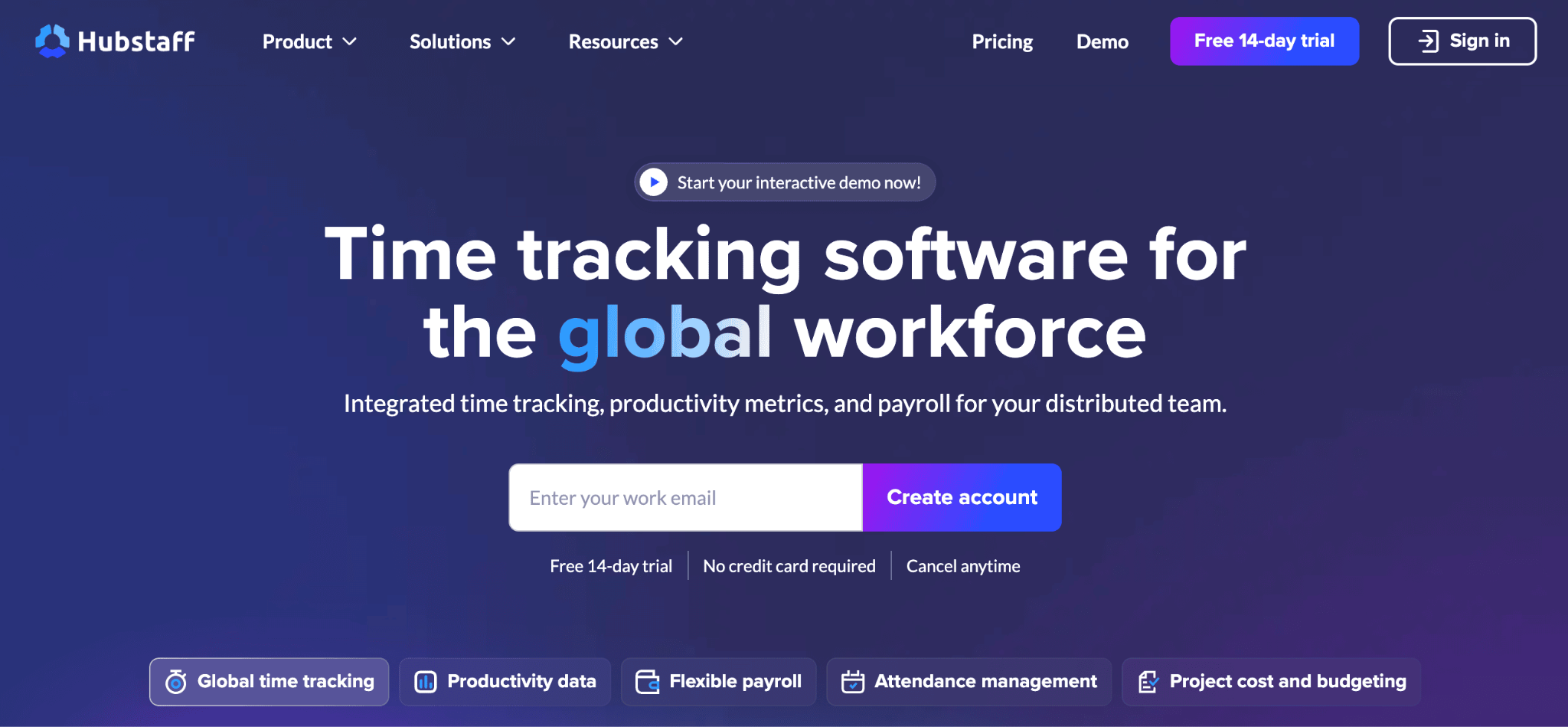
Similar concept to FreeAgent, but for a different tool. Hubstaff is a time-tracking and productivity platform, and their referral program gives you a 10% monthly discount for each friend who signs up for a paid plan (within 90 days of their trial ending).
Each discount lasts one year. Stack 10 referrals and you’re running Hubstaff at no cost. Additional discounts beyond 10 get queued and apply as earlier ones expire.
Like FreeAgent, the catch is that if a referred user cancels, you lose that slice of your discount. But if you’re managing a team and already paying for Hubstaff, getting other team leads to join through your link is a smart move.
17. GetResponse
Reward: $30 credit per referral
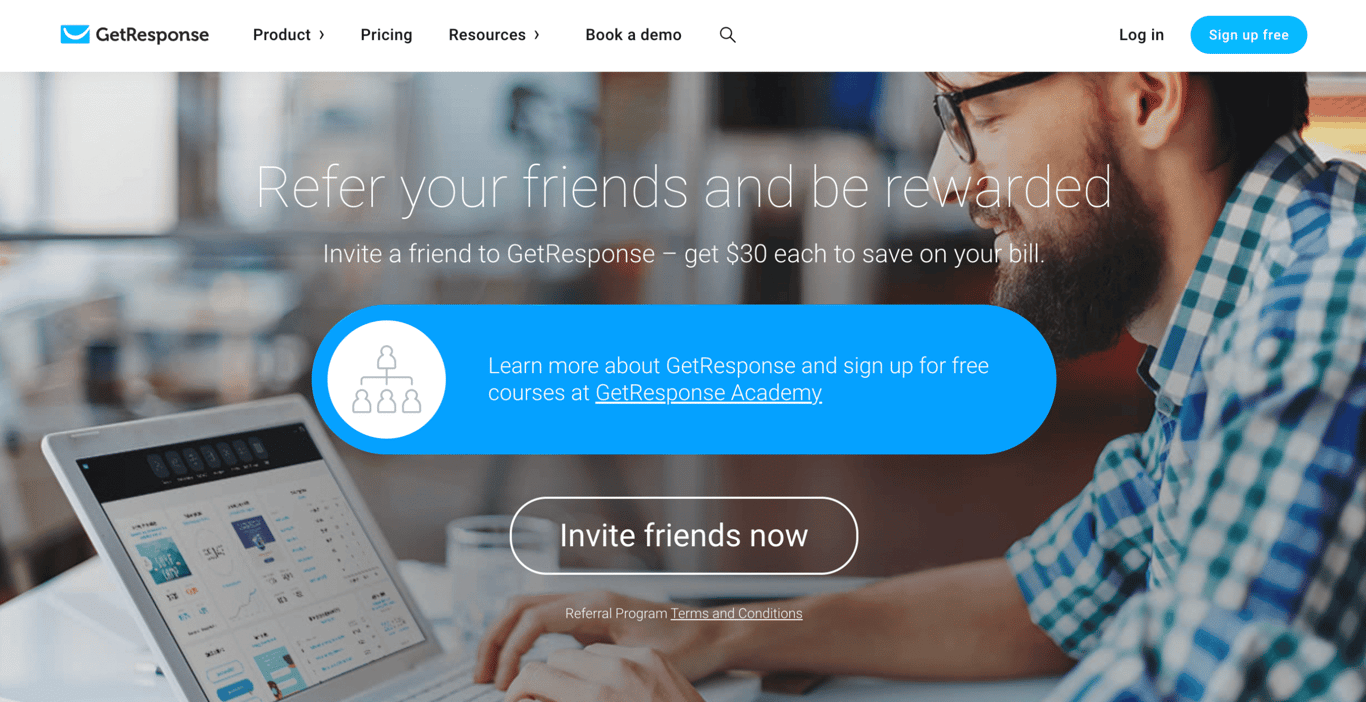
If you use GetResponse for your email marketing, their referral program is one of the more straightforward ones out there.
Share your referral link, and when someone signs up, you both get $30 in credit toward future payments. That’s it. No complicated tiers, no points conversion.
You can refer as many people as you want, but annual earnings are capped at $480. Still, that’s essentially 16 successful referrals covering a good chunk of your subscription costs for the year.
18. Tesla
Reward: $250 credit per vehicle referral; buyers get up to $1,000 off or 3 months FSD
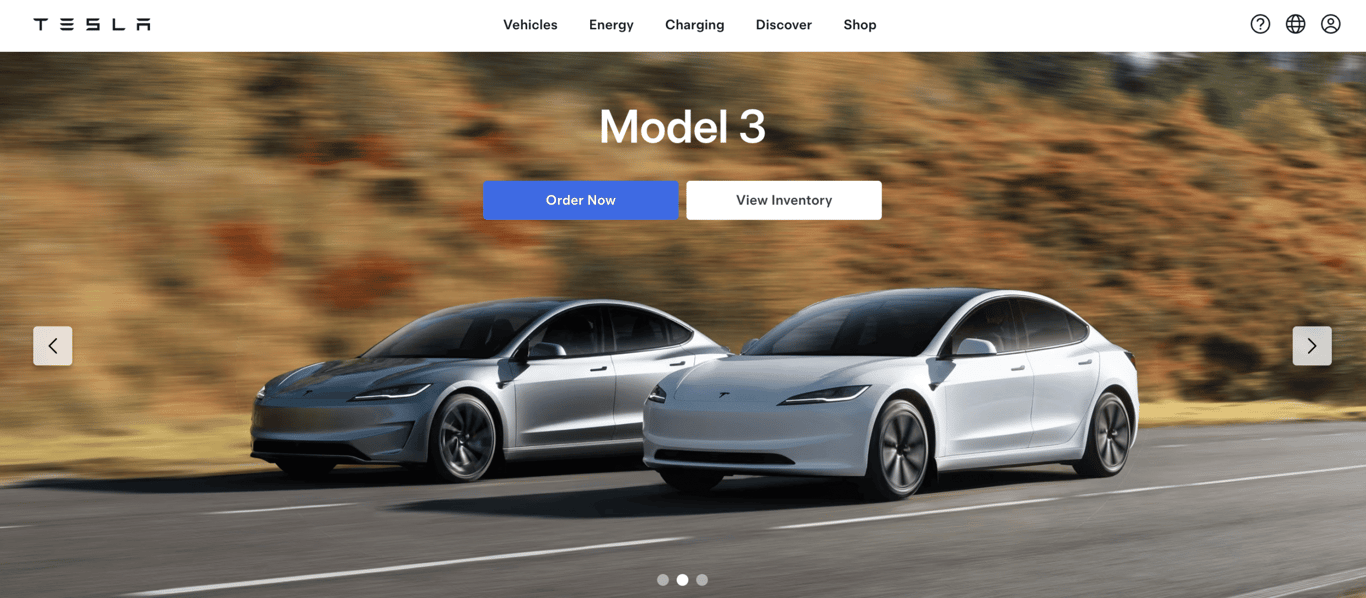
Tesla’s referral program covers both vehicles and energy products, and rewards are tiered by the products the buyer purchases.
- Model S, Model X, Cybertruck: The buyer gets $1,000 off the purchase price
- Model 3, Model Y: The buyer gets 3 months of Full Self-Driving (FSD), or can opt for an FSD purchase discount
- Solar panels and Solar Roof: The buyer receives a $400 discount
As the referrer, you earn $250 in Tesla credits for each vehicle referral, regardless of model.
Those credits can go toward Supercharging, software, merchandise, service, or even a new vehicle.
The program caps at 10 referrals per calendar year, and it’s currently available in the US only. Pre-owned vehicles don’t count.
19. Pawns.app
Reward: $3 signup bonus + 10% of referral’s earnings (ongoing)
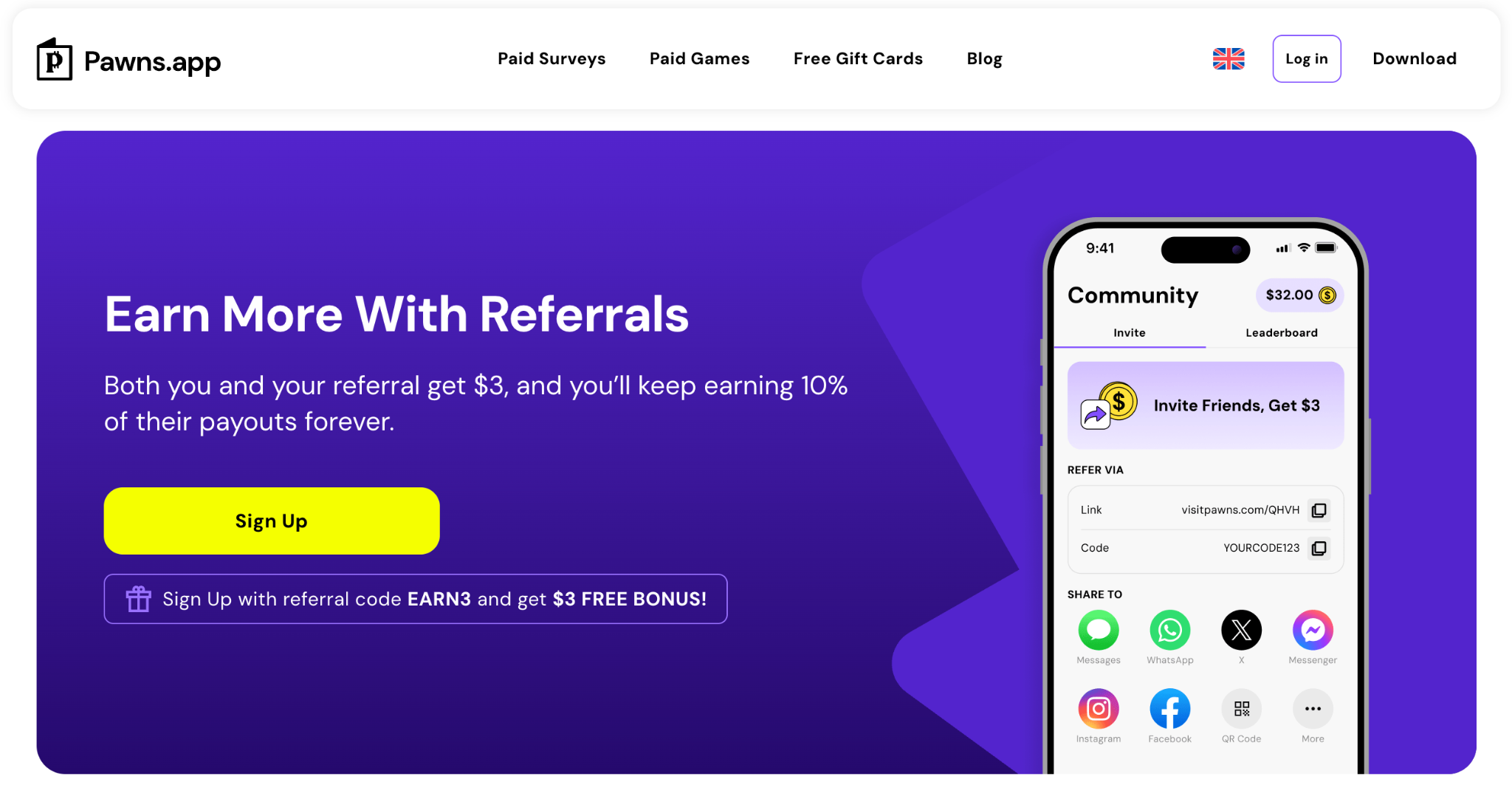
This one’s a sleeper pick. Pawns.app lets you earn money through paid surveys, sharing unused internet bandwidth, and, you guessed it, referrals.
The referral structure is similar to Swagbucks in that it’s ongoing: you earn 10% of whatever your referrals withdraw, for as long as they stay active.
When a friend signs up through your link, they get $1 immediately, then another $1 after their first payout and $1 after their second, totaling $3 in bonuses just for getting started.
There’s no cap on referrals, the minimum payout is only $5, and you can cash out via PayPal, Bitcoin, or gift cards.
It’s not going to replace a salary, but the passive, compounding nature of the 10% cut makes it surprisingly sticky over time.
What are some other ways to make money online?
Other ways to make money online include using AI tools to build new income streams, launching a niche website that earns through ads or affiliate partnerships, and selling digital products.
AI is the biggest new opportunity right now. From automated content creation to launching AI-powered freelance services, there are practical ways to make money with AI that didn’t exist even a year ago, and you don’t need a technical background to get started.
Building your own website is another solid path. A well-chosen niche site can generate consistent income through ads, digital products, or affiliate partnerships, and it compounds over time in a way that one-off referral bonuses can’t. If you’re not sure what kind of site to build, take a look at these profitable website ideas for inspiration.
The best approach? Combine multiple strategies. Use referral programs to earn while you build something bigger, explore AI-powered income streams, and consider launching a site that grows with you. That way, you’re never banking everything on a single source.

Simon is a dynamic Content Writer who loves helping people transform their creative ideas into thriving businesses. With extensive marketing experience, he constantly strives to connect the right message with the right audience. In his spare time, Simon enjoys long runs, nurturing his chilli plants, and hiking through forests. Follow him on LinkedIn.